
Understanding the New Home Warranty: What It Means for Buyers

While most buyers know their new build home comes with a warranty, fewer understand exactly what’s covered, how long different protections last, and what responsibilities remain with the homeowner. Taking time to understand the basics of your builder warranty before closing can make the transition into homeownership smoother.
A well-structured new construction warranty helps clarify what support is available if something needs attention after you move in. More importantly, it helps provide genuine peace of mind for homebuyers, allowing them to focus on settling into their new home rather than worrying about unexpected repairs.
This guide walks through the essentials of warranty coverage, including typical coverage durations, common exclusions, and how the home warranty process works if an issue arises.
While most new home warranties follow a similar structure, coverage details and timelines can vary by builder. Reviewing your specific warranty documents and speaking with your builder is the best way to fully understand your coverage.

Berkley Floor Plan, Urban Homes Collection, Easton Park Community, Austin, Texas
What is a New Home Warranty?
A new home warranty—often referred to as a builder home warranty—is a type of protection provided by many builders that covers specific aspects of a newly constructed home for defined periods after move-in. This builder warranty helps ensure certain elements of the home perform as intended and provides a structured process for addressing covered issues.
Most new construction warranties use a tiered timeline: a 1-year builder warranty for workmanship and materials, a 2-year warranty for major home systems, and a 10-year warranty for structural components.
While the exact warranty terms can vary by builder, the goal remains the same: to provide clear warranty coverage and meaningful homeowner protection during the early years of ownership.
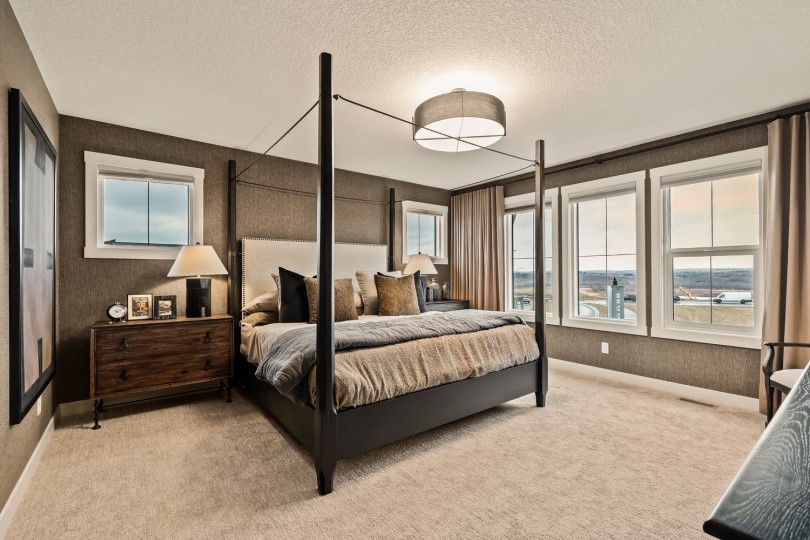
Purcell 26 Floor Plan, Front Garage Conventional Collection, Starling Community, Calgary, Alberta
Why a New Home Warranty Matters for Homebuyers
Purchasing a home is one of life’s biggest milestones. Even in a newly built home, questions can arise during the first months of ownership as homeowners become familiar with how their new space functions day to day.
That’s where a new home warranty plays an important role.
A builder warranty establishes clear expectations about how certain aspects of the home will be supported during defined timeframes. If a covered issue arises, homeowners have a structured process for addressing it rather than navigating repairs on their own.
Beyond the practical benefits, this type of coverage also offers reassurance. Knowing that a home includes defined warranty coverage helps reduce uncertainty and allows buyers to feel confident about their investment.
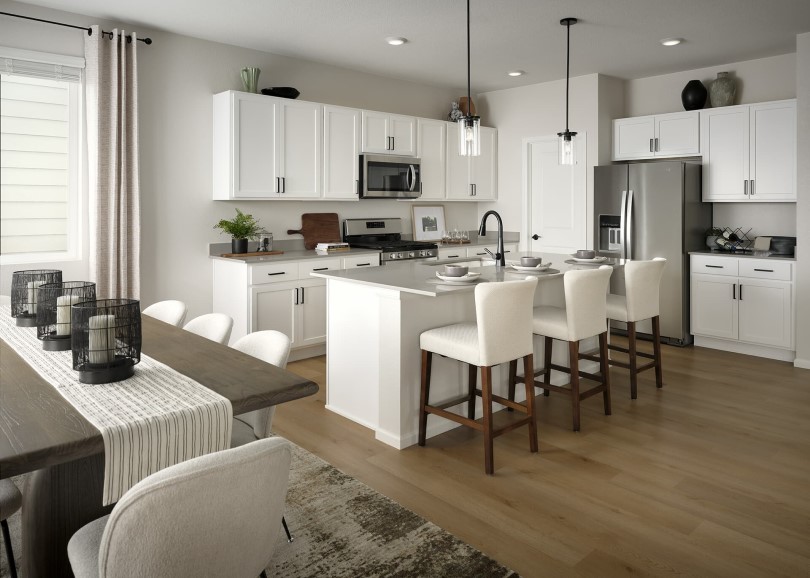
Artisan 2 Floor Plan, Artisan Portfolio, Brighton Crossings Community, Brighton, Colorado
What’s Typically Covered in a Builder Warranty?
Some buyers assume that every feature of the home is protected for the full 10 years. Coverage is typically organized into three key timelines that address workmanship, home systems, and structural components. These timelines help ensure consistent home quality assurance while giving homeowners clarity around the warranty terms.
While details vary slightly by builder, most new construction warranties follow a similar structure.
The 1-Year Builder Warranty
The 1-year builder warranty generally focuses on workmanship and materials. This period allows homeowners to report concerns related to how certain features of the home were installed or finished.
Examples often include:
- Drywall or paint concerns beyond normal settling
- Trim or cabinetry adjustments
- Door alignment or hardware issues
- Flooring installation concerns
- Roof leaks or other roofing issues caused by installation errors or workmanship
This stage helps ensure the visible elements of the home perform as expected once homeowners have had time to live in the space.
Builders frequently conduct a scheduled service review near the end of the first year so homeowners can address any remaining items before this portion of the warranty coverage concludes.
Two-Year Coverage for Major Systems
The next phase of the new home warranty often focuses on the home’s major systems.
These systems are essential to everyday comfort and functionality and commonly include:
- Electrical systems
- Plumbing systems
- Heating and cooling equipment
If a problem occurs during this timeframe and relates to installation or system function, homeowners can typically begin a claim filing request through the builder’s warranty team.
Are Appliances Covered Under a Builder Warranty?
A common question for buyers is whether appliances are included in a new home warranty. In most cases, appliances such as refrigerators, ovens, and dishwashers are covered by separate manufacturer warranties rather than the builder warranty itself.
While the builder typically ensures appliances are properly installed and functioning at the time of move-in, any repairs or replacements are usually handled directly through the manufacturer based on their individual warranty terms.
Understanding this distinction can help homeowners know who to contact if an appliance issue arises and how it fits within the overall warranty coverage.
10-Year Structural Warranty
The longest portion of the new construction warranty is often the 10-year structural warranty.
Structural coverage typically applies to critical components that support the integrity of the home, including:
- Load-bearing walls
- Structural framing
- Foundation elements
- Major load-bearing roof components
Although structural issues are uncommon, this coverage provides long-term homeowner protection if a defect affecting the stability of the home were to occur.
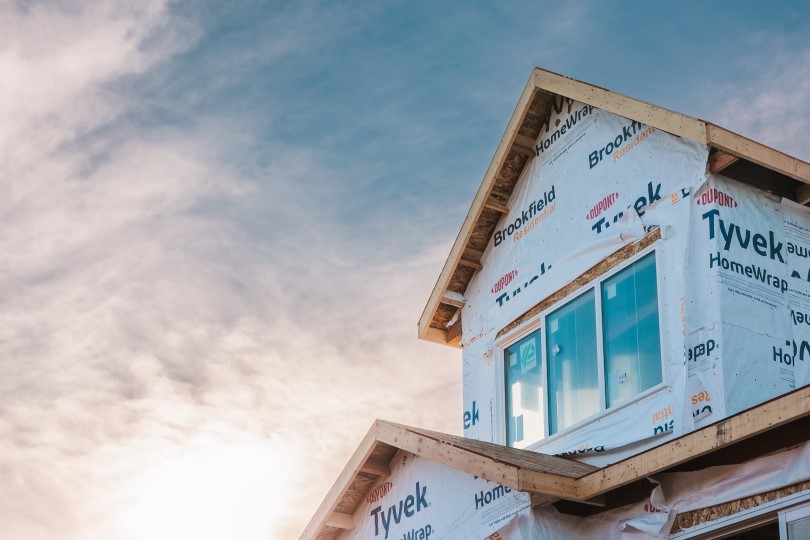
What’s Not Covered in a New Home Warranty
One common misconception is that a new construction warranty covers every repair that might arise in a home. In reality, the warranty focuses on construction quality and specific systems rather than general household maintenance or everyday wear. Having a clear idea of what’s not covered helps avoid misunderstandings and supports a more positive ownership experience.
Common exclusions often include:
- Everyday wear and tear from normal use
- Damage caused by accidents or misuse
- Landscaping or irrigation systems
- Cosmetic damage that occurs after move-in
- Certain appliances that fall under manufacturer warranties
Another misconception is that a builder warranty eliminates the need for routine home maintenance. Homeowners are still responsible for regular home maintenance, which helps protect the home and ensures systems continue performing as intended. Tasks such as replacing HVAC filters, maintaining caulking, or caring for exterior landscaping play an important role in preserving the home over time.
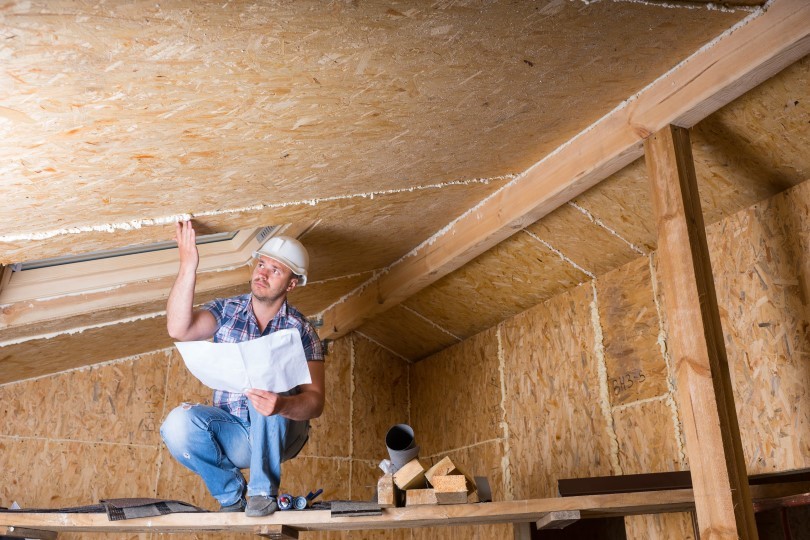
How the New Home Warranty Claim Process Works
If something needs attention after move-in, most builders provide a straightforward home warranty process designed to address concerns efficiently.
Although procedures vary slightly, the overall process is usually simple.
Document the concern
If an issue appears, it helps to take photos and write down when it began. Keeping a brief record can make it easier to explain the concern when submitting a request.
Submit a warranty request
Most builders provide an online system or customer care contact where homeowners can submit service requests. Including clear details and photos often helps speed up the review process.
Builder evaluation and resolution
Once a request is submitted, the builder’s service team reviews the information and determines the next steps based on the warranty terms.
How long does a new home warranty claim typically take?
The amount of time it’ll take from a claim being submitted to resolution can vary depending on the type of issue and scheduling availability. Non-urgent repairs may be scheduled in the coming weeks, while concerns involving essential systems or safety typically receive faster attention.
The builder will maintain clear communication and provide updates throughout the claim-filing process to help ensure any concerns are addressed quickly and appropriately.

Aliento Floor Plan, Vista in Summit Collection, Orchard Hills Community, Irvine, California
Builder Warranty vs Third-Party Home Warranty: What’s the Difference?
Buyers who have previously owned a resale home may already be familiar with third-party home warranties. These plans function differently from a builder warranty provided with a new construction home.
A new home warranty focuses on construction quality and structural components during the early years of ownership. Third-party warranties, by contrast, are usually designed to cover appliance or system repairs in older homes. Roofing materials such as shingles or tiles may also carry separate manufacturer warranties, which provide additional protection for the roofing materials themselves.
Do you need a third-party warranty for a new home?
Some homeowners choose to explore additional warranty coverage after the initial builder warranty periods expire. Additional warranties may become more relevant later, depending on the age of the home and personal preferences.

Rutger Floor Plan, 40' Traditional Homes Collection, Elyson Community, Katy, Texas
Questions to Ask About Your New Home Warranty Before Closing
Before finalizing the purchase of a newly built home, you should have a clear understanding of how the new home warranty works after move-in.
Some of the questions you’ll want to ask include:
- How should a warranty claim be submitted?
- Who manages warranty coverage requests after closing?
- How are urgent service needs handled?
- Can buyers review the full warranty terms ahead of time?
- Are scheduled warranty check-ins part of the process?
- What type of after-move-in support is available?
Having this information early can help buyers feel more informed and confident in the process, should an issue arise after closing.

Residence 2 Floor Plan, Moonstone Neighborhood, Rosewood Community, Morgan Hill, California
After-Move-In Support and Home Quality Assurance
A strong new home warranty is only part of the overall homeownership experience. Ongoing support after move-in is just as important.
Brookfield Residential focuses on home quality assurance through established construction practices, clear communication, and responsive homeowner support. Dedicated teams help guide homeowners through the home warranty process and answer questions as they arise.
This approach reflects our broader goal: creating communities and homes where buyers feel confident long after the keys are handed over.
Providing clarity around warranty coverage, service requests, and after-move-in support helps ensure homeowners can enjoy their new space with confidence.
Understanding Your New Home Warranty Brings Peace of Mind
Understanding the details of a new home warranty and builder warranty coverage helps buyers approach homeownership with greater clarity. Knowing what’s covered in a builder warranty, what responsibilities remain with the homeowner, and how the claim-filing process works makes it easier to navigate the early years in a new home.
That knowledge provides valuable peace of mind for homebuyers and reinforces the advantages of purchasing a new construction home.
Explore Brookfield Residential communities and learn how our teams support homeowners from the first tour through every stage of ownership, including the peace of mind that comes with a new home warranty.
The information provided in this blog post is for informational purposes only and should not be considered investment, professional, or legal advice. Please consult a professional before making real estate decisions. Brookfield Residential is not responsible for any actions taken based on the information provided.