
What to Expect the First 30 Days in Your New Home

The first 30 days in your new home will be filled with lots of joy, a little bit of adjustment, and plenty of opportunities to start building routines that will serve you well in the years ahead.
If you’re wondering what to expect during that first month, we’ve put together a helpful guide to make the transition smooth and stress-free.
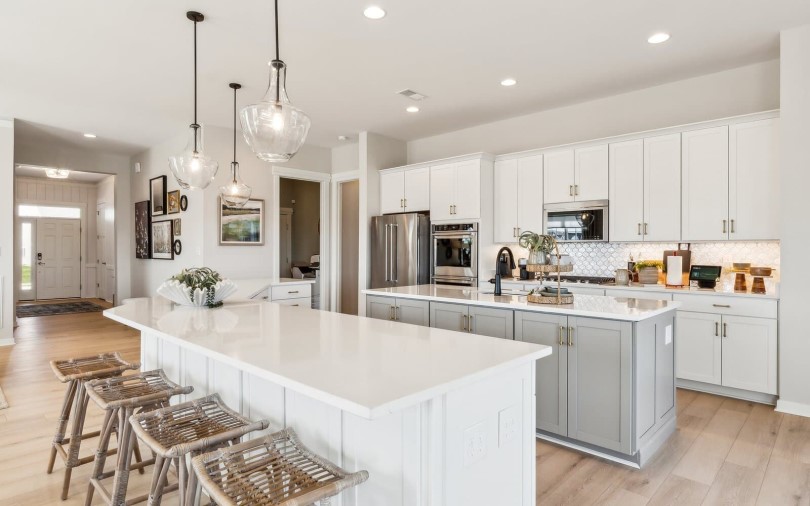
Quincy II Floor Plan, 55+ Lifestyle Collection, Heritage Shores 55+ Community, Bridgeville, Delware
1. Start with the Essentials
You’re probably eager to get settled into your new home right away, but unpacking every single box on day one is nearly impossible. Instead, start by setting up the rooms that will help you feel most comfortable right away. Bedrooms, bathrooms, and the kitchen are usually at the top of the list. Once those spaces are organized, your new house will begin to feel like home.
- Bedrooms: Make sure your beds are assembled and ready with sheets, blankets, and pillows. After a long moving day, nothing feels better than a good night’s sleep.
- Bathrooms: Stock your bathrooms with towels, toilet paper, soap, and shower essentials. It’s also smart to put together a small “first-aid kit” with bandages, pain relievers, and other necessities—you never know when you might need them.
- Kitchen: Unpack everyday dishware, utensils, and cookware so you can easily prepare meals in those first days without searching through boxes.
Tip: Create a “first night” box before you move that includes anything you’d want to have easy access to on your first evening in the home.
Make your move a breeze with our 9 Moving and Packing Tips ,where we cover everything you need to know to make moving easier and as stress-free as possible. If you’re moving with kids, check out A Parent’s Guide to Moving with Children for the ultimate checklist, covering what to do before you move, on moving day, and after you’ve moved in.
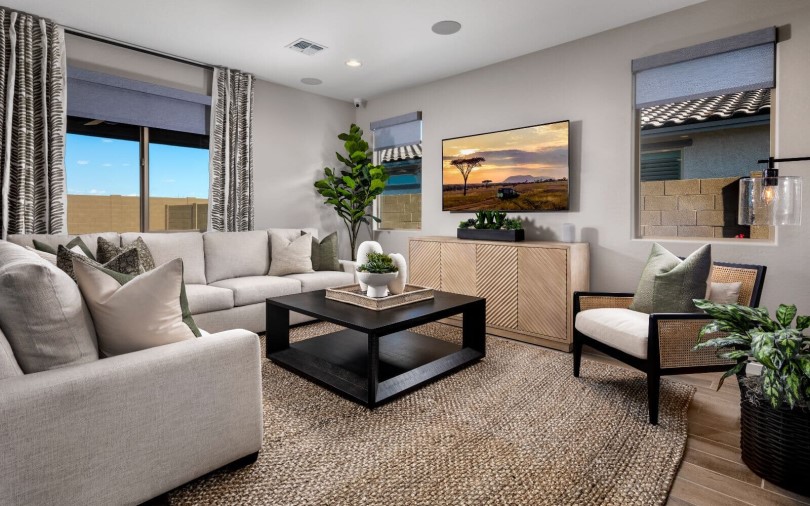
Dakota Floor Plan, Highland Sage Collection, Alamar Community, Avondale, Arizona
2. Learn How Your Home Works
Every home has its own systems, and the first 30 days are a great time to get comfortable with where everything is located and how it functions.
If you’ve purchased a new construction home, your homebuilder representative likely guided you through a New Home Orientation, walking you through your home’s key features and systems.
For both new and resale homeowners, it’s a good idea to familiarize yourself with these components:
- Locate important shut-offs and panels. Know where your main water shut-off, circuit breaker, and gas valves are located. In the unlikely event of an emergency, you’ll be prepared.
- Check appliances. Run your dishwasher, washer and dryer, oven, and other appliances to make sure everything functions as expected. If you notice anything unusual, make a note of it so you can follow up with your warranty team or a trusted service provider.
- Walk through energy systems. Test your thermostat, ensure your HVAC system is heating and cooling correctly, and learn how to change the air filter.
- Review smart home technology. If your home came with connected features, download the apps and get the devices set up so you can fully enjoy the convenience they offer.
Tip: Whether your home is brand-new or new-to-you, keep a binder or digital folder with manuals, warranty info, and service contacts to help save time down the road.
3. Personalize Your Space
One of the most enjoyable parts of moving into a home is making it reflect your style. The first 30 days are a great time to start small and envision how you’ll want your home to look and feel in the long term.
- Layer in comfort. Add rugs, curtains, and throw pillows to make rooms feel cozy while you continue unpacking.
- Sort out artwork and photos. You may not get to hanging everything right away, and that’s okay! Simply placing framed pieces in the right rooms can help you start visualizing how they’ll look on the walls later. When you’re ready, you’ll already have a sense of where each piece belongs, and in the meantime, your favorite art and family photos will still bring warmth to the space.
- Plan bigger projects. A new home is a blank canvas, and a little bit of planning can go a long way. Designing your home’s outdoor space, adding wallpaper, and customizing closet organizers can all be done later. Spend time in the house first so you can prioritize what’s most important.
- Create a home wish list. As you live in the space, make notes of future purchases or personal touches you’d like to add later. Check back periodically to see if they’re still items you want to include or if you’ve moved on to something different.
Don’t feel pressured to finish decorating right away. Let the home “speak” to you as you settle in and find inspiration in how you actually live in each space.

Kissing Tree Community, San Marcos, Texas
4. Meet Your Neighbors and Explore the Community
One of the joys of moving into a new home is becoming part of a community. The first month is the perfect time to introduce yourself to neighbors, explore the amenities, and start building connections.
- Say hello. It seems like an obvious thing to do, but a smile and a wave let people know you’re friendly and receptive to getting to know them. As they say, there’s no second chance to make a first impression, so that simple greeting can go a long way. Eventually, this can turn into some small talk, which can lead to more meaningful conversations down the road. Start small and naturally work your way up.
- Jump into the community events. When the opportunity presents itself, get involved. Whether it’s the monthly HOA meeting, a neighborhood block party, or the gathering next door, say “yes” if you’re invited (and able to attend). If people see you’re excited to join in and participate in the neighborhood, they’ll be more receptive to any future getting-to-know-each-other efforts.
If you’re more of a homebody, don’t worry—being a good neighbor doesn’t have to be overwhelming. Small gestures like a smile, wave, or quick hello go a long way. For more ideas, check out our guide: 10 Tips for Getting to Know Your Neighbors.
- Explore the amenities. Parks, trails, clubhouses, and pools are designed to enhance your lifestyle. While it may seem more productive to stay inside and unpack, make it a point to use the amenities shortly after you move in. It’s a great way to connect with your neighbors and start enjoying everything your community has to offer.
- Discover the area. Venture out beyond your neighborhood and spend time exploring local shops, restaurants, and services. Sure, you can go to a big-name coffee shop, but the mom-and-pop small business around the corner may be even better!

Residence 2 Floor Plan, Patina Neighborhood, Napa RiverSound Community, Napa, California
5. Stay on Top of Home Maintenance
Even though the first 30 days are mostly about settling in, it’s also a great time to set the stage for good home maintenance habits. What you’ll need to do early on depends on whether you’ve purchase a new construction home or a resale home.
For new construction homeowners:
Your home’s systems are brand-new, so you likely won’t need any immediate maintenance tasks. Instead, use this time to get familiar with recommended service intervals, learn where things are located, and understand what’s covered under your warranty. Familiarizing yourself with this information now makes it easier to stay proactive in the years ahead.
If there were any items noted during your home walk-through before closing, you’ll likely be asked to sign off on completed customer care requests within the first 30 days. This ensures everything from your original checklist has been addressed to your satisfaction.
For resale homeowners:
You’ll want to start by ensuring everything is in good working order. A few light tasks in the early days can help you create a baseline for future maintenance and to extend the life of existing systems:
- Replace or clean HVAC filters to keep your system running efficiently and your air quality fresh.
- Inspect caulking and seals in bathrooms and kitchens to prevent leaks and water damage.
- Flush the drains in lesser-used sinks or tubs to keep the pipes clear.
- Plan for seasonal tasks so you’re ready for hot summers, freezing winters, or heavy rains.
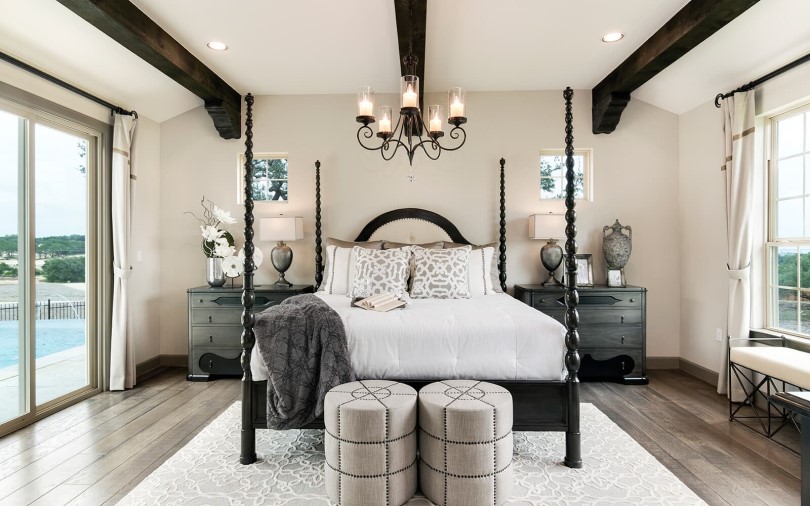
Clarkson Floor Plan, Traditional Collection, Kissing Tree Community, San Marcos, Texas
6. Celebrate Small Milestones
With all the logistics of moving, it’s easy to forget to enjoy the experience. The first month is filled with “firsts” you’ll want to pause and enjoy:
- Your first meal cooked in the kitchen
- Your first morning coffee in the backyard or on the deck
- Your first time hosting friends or family
- Your first holiday in the new space
These little moments are what transform a house into a home. Celebrate them, even if there are still boxes left to unpack.
Tip: Take lots of photos throughout your first 30 days. As the years pass, you’ll love looking back and seeing how your home evolved from move-in day to the cozy space it becomes.
7. Give Yourself Grace
Finally, remember that moving into a home is a process. You don’t need to have every wall decorated, every room furnished, or every project completed in the first month. Allow yourself time to settle in and enjoy the journey.
Your new home is the backdrop for years of memories, and the first 30 days are just the beginning.
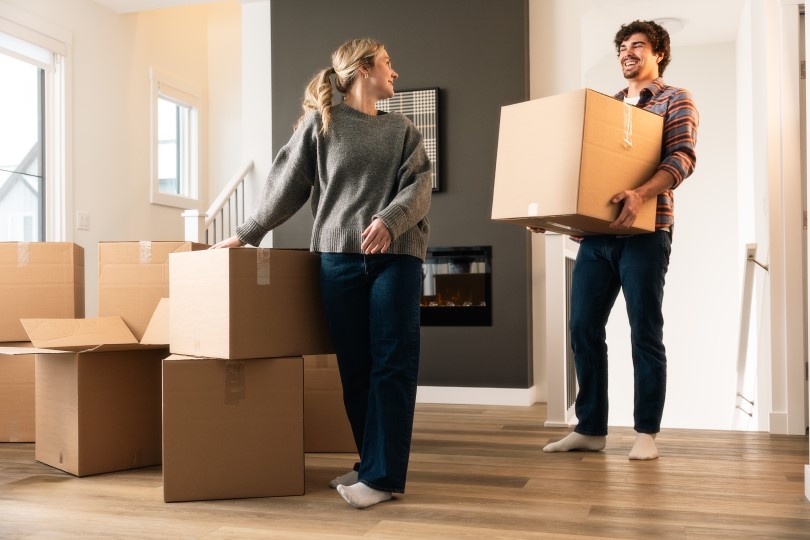
The first month in your home is about more than boxes and checklists—it’s about creating a foundation for the life you’ll build here. From unpacking essentials and learning how your systems work to connecting with neighbors and celebrating milestones, each step brings you closer to feeling truly at home.
At Brookfield Residential, we’re here to support you through every stage of homeownership. Whether you’re settling into your first home, your forever home, or something in between, we can’t wait to help you find the best place to call home.
Explore where we build and connect with our sales team when you’re ready to learn more. We’ll be expecting you!