
Why Homebuyers are Prioritizing Lifestyle When Choosing a Neighborhood

Buyers consistently point to the same things: parks and trails close by, easy access to shopping and dining, walkable streets, and a genuine sense of connection to their neighbors. These have become some of the most important factors when choosing a neighborhood.
Understanding modern homebuyer priorities means recognizing the bigger picture: how a neighborhood fits into daily routines, and how it supports long-term satisfaction beyond move-in day. Whether it’s a morning walk, weekend errands, or evening get-togethers with neighbors, the right setting can make all the difference in how a home actually feels to live in.
So, why are homebuyers prioritizing lifestyle when choosing a neighborhood? Many shoppers are realizing that a great home means even more when it’s part of a community designed for real life, with amenities, conveniences, and connection close at hand.
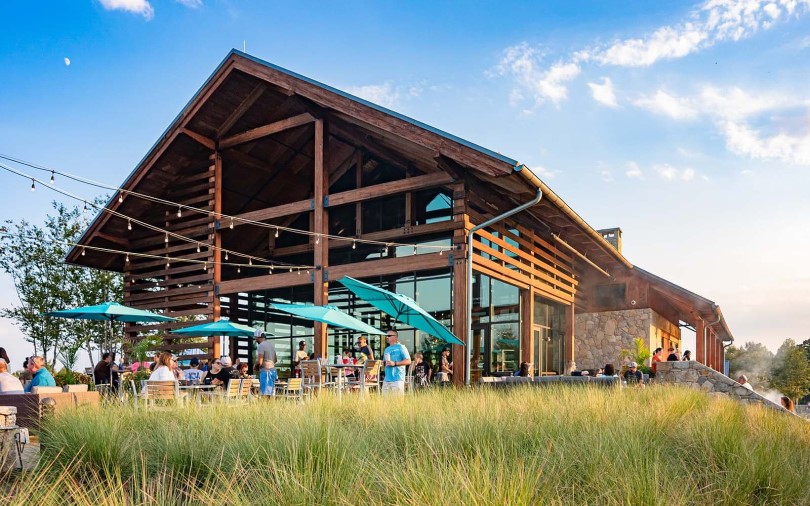
Wendell Falls Community, Wendell, North Carolina
The Shift Toward Lifestyle-Driven Homebuying
A lot has changed in how people choose where to live, and flexible work is a big part of it. When the daily commute is no longer a major deciding factor, buyers have more freedom to prioritize how a neighborhood feels. A home office matters, but so does what’s outside the front door: a trail for a midday walk, a coffee shop around the corner, or a park where the kids can play after school.
This shift also reflects a broader focus on well-being. Buyers are looking for neighborhoods that support healthier, more balanced routines, where the outdoors, recreation, and time with neighbors comes naturally. It’s about more than finding the right house at the right price. It’s about finding a community that fits a lifestyle.
As a result, more shoppers are gravitating towards neighborhoods built with everyday life in mind. It’s a clear sign of the community living benefits buyers are after: a well-built home and a setting that makes daily routines smoother, healthier, and more enjoyable.
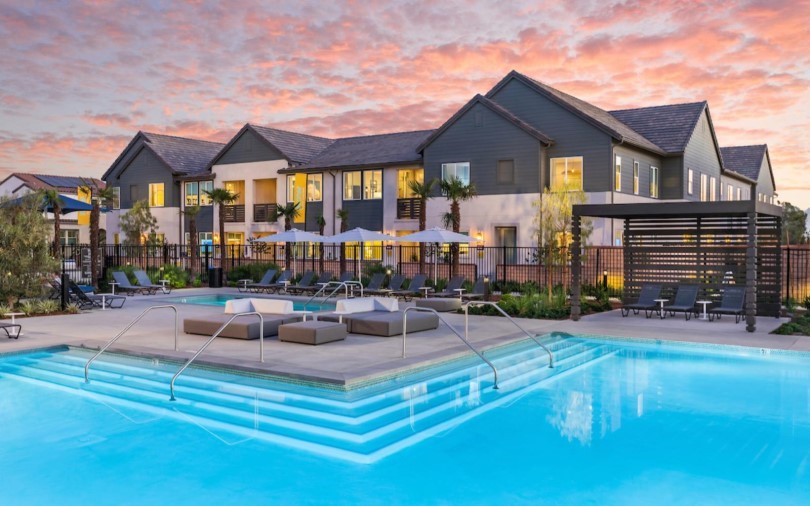
New Haven Community, Ontario, California
Amenities and Outdoor Space That Support Everyday Living
When buyers picture their ideal neighborhood, they’re often thinking about what surrounds the home as much as the house itself. Community amenities, like parks, walking trails, fitness centers, and shared gathering spaces, have become a major part of how people evaluate a potential home. These features are what elevate a neighborhood into somewhere worth living.
Resort-style amenities in particular have become a draw for buyers who want recreation and relaxation close to home. A pool, a clubhouse, or a fitness center within walking distance means residents don’t have to drive across town for the things that make life more enjoyable. These spaces also double as social hubs, giving neighbors a natural way to cross paths and get to know each other, the kind of everyday connection that defines active lifestyle communities.
Outdoor spaces play a similar role, just with a different focus. Green space, walking trails, and open areas give residents a place to unwind, get some fresh air, or let the kids run around without leaving the neighborhood. For many, this access to amenities isn’t just a bonus. It’s a must-have feature tied directly to physical health, stress relief, and overall quality of life.

Livingston Community, Calgary, Alberta
Convenience as a Key Decision Factor
Convenience plays a bigger role in homebuying decisions than it might seem at first. For many buyers, it comes down to how easily they can get to the places and services they rely on most: grocery stores, schools, restaurants, and healthcare providers. A neighborhood with quick access to essentials makes everyday life noticeably easier.
Shorter commutes are part of this equation, too, whether that means a shorter drive to work or less time spent running errands. When daily tasks take less time and effort, buyers have more time for the things that actually matter to them, like family, hobbies, or just relaxing at home. Those time savings add up, and it’s one of the reasons convenience carries so much weight in a buyer’s decision.
Good schools also factor heavily into this equation, especially for buyers raising a family. Living close to quality schools simplifies routines and gives parents peace of mind, two things that go a long way toward overall satisfaction with a neighborhood.
At its core, convenience is about removing friction from daily life. A neighborhood that makes routine tasks simple, rather than something to plan around, tends to leave buyers more satisfied in the long run.

Brighton Crossings Community, Brighton, Colorado
Walkability and Connected Living
Walkability has become one of the most talked-about features in modern neighborhood design, and it’s easy to see why. Walkable neighborhoods let residents reach parks, shops, restaurants, and shared spaces on foot, cutting down on the need to hop in a car for every errand or outing. Having that kind of easy access changes how people experience their own neighborhood day to day.
Beyond convenience, walkability tends to bring people together. Sidewalks, paths, and pedestrian-friendly streets give neighbors more chances to run into each other, whether it’s a quick chat on a morning walk or a wave from the porch. These small, everyday interactions are often what help a neighborhood start to feel like a true community rather than just a collection of houses.
Walkable design also supports a more active routine. Walking to a coffee shop, a playground, or a neighbor’s house adds movement into the day without requiring a dedicated trip to the gym. That kind of movement feels safe and natural when streets are well-lit and designed with pedestrians in mind, which matters just as much as the convenience itself.
Over time, this kind of connected living shapes how residents feel about their neighborhood in the long term. A walkable layout doesn’t just make daily errands easier; it builds the kind of everyday familiarity and connection that makes people genuinely happy to live there.

Easton Park Community, Austin, Texas
How Lifestyle Impacts Long-Term Value
Strong amenities, easy access to daily needs, and well-designed outdoor spaces do more than make day-to-day living enjoyable. They also play a real role in how a neighborhood holds its value over time. Communities that offer these features tend to stay in demand long after the first wave of homeowners move in.
This staying power comes down to homebuyer preferences that don’t change much from one generation of buyers to the next. People consistently want easy access to parks, walkability, and a sense of connection to their neighbors. When a neighborhood delivers on these, it tends to attract a steady stream of interested buyers, which helps support resale value down the road.
Growing communities that continue to invest in amenities and infrastructure also tend to see sustained interest from buyers. As a neighborhood matures and adds new conveniences or expands its shared spaces, it often becomes even more appealing to future buyers.
In the end, a lifestyle-focused neighborhood isn’t just great to live in today. It tends to hold its appeal over time, which makes it a smart choice for the long run, too.
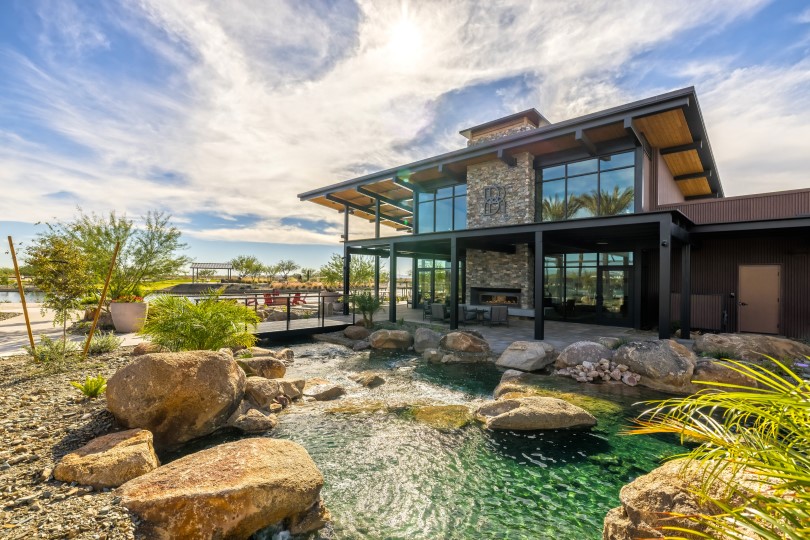
Blossom Rock Community, Apache Junction, Arizona
How Brookfield Residential Designs for Lifestyle
At Brookfield Residential, we build communities with everyday life in mind, not just the homes within them. Every neighborhood we plan is built around the things that matter most to modern buyers: convenient access to daily essentials, well-designed amenities, and spaces that bring neighbors together.
This lifestyle-focused design shows up in the details. We plan each community with active living and connection in mind, from the layout of shared spaces to the small everyday moments that turn good neighbors into great friends. Walkable streets and thoughtful layouts make it easy to reach shops, dining, and shared amenities without relying on a car for every trip.
We also look at the bigger picture when planning a new community, thinking about how it will support residents as the neighborhood grows and matures. That long-term thinking is what creates the best places to call home, with the kind of lifestyle and connection that keeps them there.
Building a home is only part of the equation for us. Our goal is to create communities that support how people actually want to live, today and well into the future.
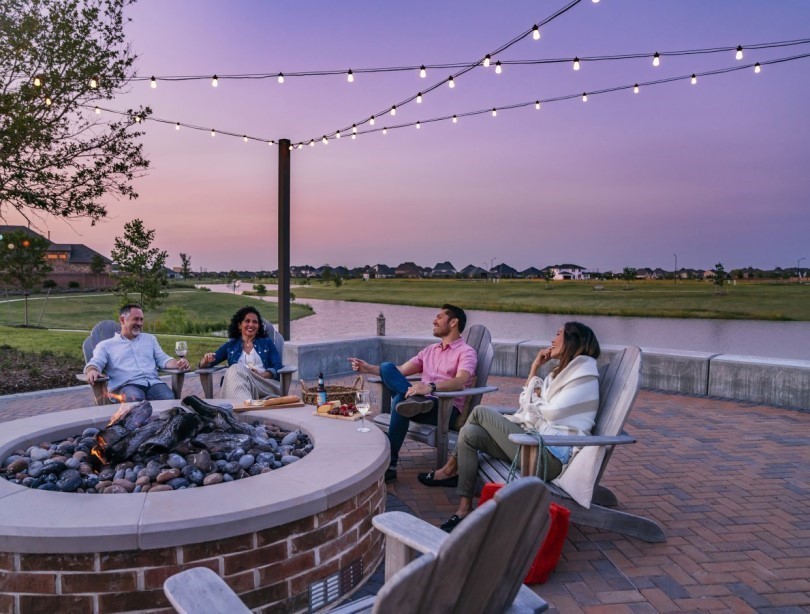
Choosing a Neighborhood Built for How You Live
Choosing a neighborhood today means thinking beyond the house itself. The right amenities, easy access to daily essentials, walkable streets, and a true sense of connection all play a role in how satisfied buyers feel, not just on day one, but for years to come.
Lifestyle has become just as important as the home, and for good reason: it shapes how everyday life actually feels.
We design every community with that in mind. Explore Brookfield Residential communities designed to support your lifestyle and everyday living.