
Designing Communities That Grow with You

That’s where the idea of long-term homeownership becomes more meaningful. Buyers are thinking beyond their immediate needs and looking for growing communities that have been designed to support long-term living. They want homes that adapt over time as well as neighborhoods that evolve alongside them.
So, what does it mean for a community to “grow with you”? It means thoughtful community planning that considers every stage of life, from first-time buyers and young professionals to families, empty nesters, and those focused on aging in place. It means designing connected neighborhoods where residents can put down roots and feel confident staying for the long haul.
In this blog, we’ll explore how neighborhood design, flexible home layouts, and community amenities come together to create places built for now and the future.

Brighton Crossings Community, Brighton, Colorado
How Do Communities Support Long-Term Homeownership?
The structure of a neighborhood shapes daily life more than people may realize. The placement of parks, schools, shopping, walking trails, and open spaces directly influences your routines, the feeling of convenience, and your overall satisfaction.
When buyers ask, “Why should I think about long-term living when choosing a neighborhood?” the answer often comes down to flexibility. A thoughtfully designed community reduces the likelihood of residents outgrowing their surroundings. Instead of needing to relocate every time life shifts, you can remain part of a place that already feels like home and continues to meet your needs.
Neighborhood design plays a central role in supporting long-term homeownership. Well-planned streets encourage walkability. Nearby schools simplify family logistics. Access to healthcare and retail adds convenience for both young families and older adults. Over time, these features contribute to property stability and stronger owner retention.
How can neighborhood layout impact quality of life? Consider walkable neighborhoods. When residents can access parks, playgrounds, coffee shops, and trails without relying heavily on a car, daily life feels more connected and manageable. These patterns help foster healthier routines, spontaneous social interaction, and a stronger sense of belonging.
In many master-planned communities, infrastructure is designed intentionally from the start. Streets connect rather than isolate. Green spaces are a must-have, not an afterthought. That type of foresight supports long-term living and reinforces why community design influences both lifestyle and long-term value.
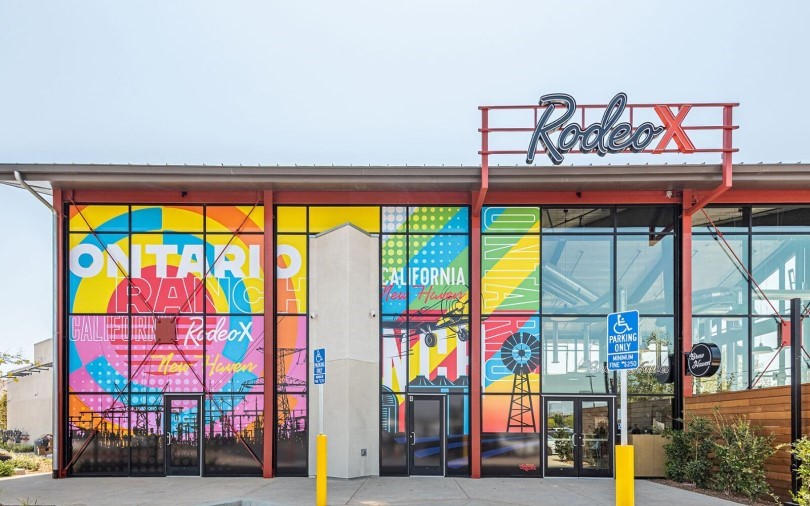
New Haven Community, Ontario, California
What Makes a Neighborhood Grow with Its Residents?
Communities designed to grow alongside their residents often share a few key characteristics.
First, housing diversity matters. Having a mix of sizes and layouts creates a genuine “home for every stage of life.” Starter homes, move-up options, and homes suited for downsizing or multigenerational living allow residents to stay within the same community even as their needs change. This flexibility is a key factor in growing communities.
Second, proximity and accessibility play a major role. Parks, schools, and gathering spaces located throughout the community help serve residents from early childhood through retirement. Flexible zoning and mixed-use areas support changing demands over time. As retail and nearby conveniences evolve, the community can adapt without losing its foundation.
What makes a neighborhood work for both young families and older adults? It comes down to balance. Playgrounds and splash pads may attract families, while walking trails, seating areas, and nearby services appeal to older residents. When shared spaces encourage interactions across age groups, they strengthen the entire community.
Third, strong community amenities provide more than recreation. Pools, clubhouses, fitness centers, and event lawns all combine to create a highly desirable neighborhood. These features foster connection and encourage residents to stay invested for the long term.
Adaptable community planning supports changing lifestyles and routines without requiring residents to start over somewhere else.

Heritage Shores Community, Bridgeville, Delaware
How Home Design Plays a Role in Community Longevity
While community layout is important, the home itself must also support change. Flexible home design allows homeowners to remain comfortable as their lives evolve.
Many buyers ask, “What types of home features make it easier to stay in one home over time?”
Many flexible floor plans include features such as:
- Bonus rooms that can transition from a playroom to an office to a guest suite
- Having a dedicated home office for remote or hybrid workers
- A main-floor bedroom that supports aging in place
- Loft spaces or finished basements that are adaptable for teens or hobbies
- Layouts that can accommodate multigenerational living
Thoughtful interior design also plays a role in reducing the need to move. Wider doorways, flexible storage, adaptable living spaces, and accessible layouts support aging in place and evolving family routines. Rather than chasing trends, these houses prioritize longevity and become what many buyers now call future-proof homes.
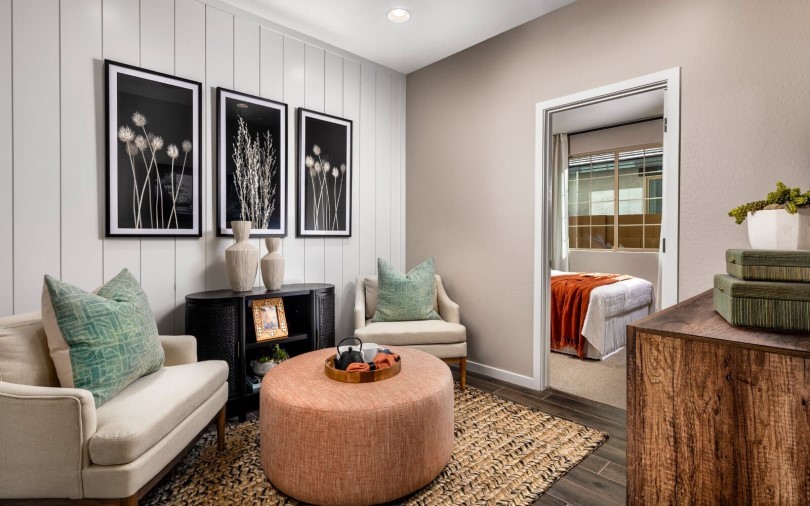
Ponderosa Floor Plan, Highland Ridge Collection, Alamar Community, Avondale, Arizona
Benefits of Living in a Well-Planned Community
A well-planned community is one that has been designed with intention. From street layouts, home locations, natural areas, amenity offerings, shopping, dining, offices, and more, the entire community is carefully planned to create a sense of flow and balance.
What are the benefits of living in a thoughtfully curated neighborhood? Convenience is often the number one answer. These communities are designed with carefully placed homes balanced with areas for mixed uses such as shopping, dining, work, and play. It’s easier to check off your to-do list when the gas station, pharmacy, and grocery store are just around the corner and your kid’s school is just a few minutes away.
Beyond everyday errands, these neighborhoods are built to support a well-rounded life. Schools, parks, and playgrounds are often within walking distance, and access to major highways or public transportation makes commuting to nearby cities a breeze.
Having top-notch amenities right outside your front door is another major perk. It’s not just about finding the home of your dreams but having a variety of amenities designed to enhance the quality of your life and help you connect with neighbors.
Over time, these small, daily conveniences add up to create a high quality of life.
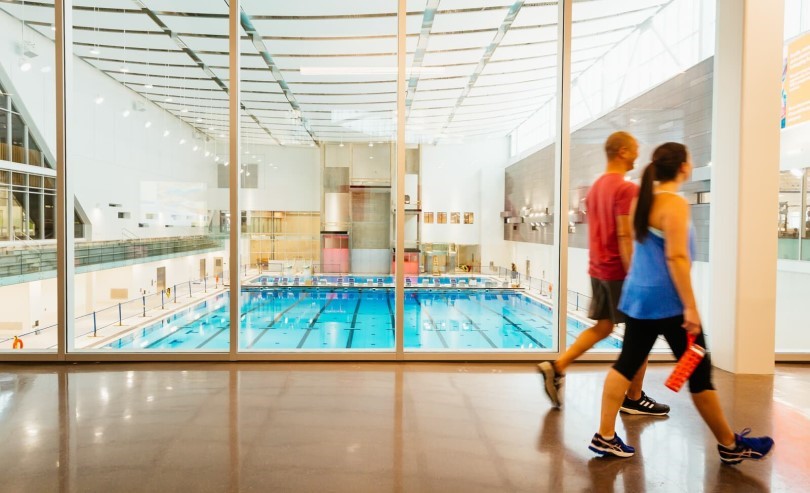
Seton Community, Calgary, Alberta
What Should You Look for in a Community for Long-Term Living?
When you’re thinking about long-term living and long-term homeownership, it helps to look at the bigger picture of how a neighborhood can support your lifestyle as your needs evolve over time. The right questions can highlight whether neighborhood design, amenities, and overall community planning are built to make long-term homeownership realistic.
It may be helpful to ask:
- Does the neighborhood offer a mix of housing types so there’s a home for every stage of life?
- Are there accessible parks, trails, and gathering spaces?
- Is the area designed for walkability and convenience?
- Are schools, retail, and healthcare integrated within the community or nearby?
- Does the overall neighborhood design feel adaptable?
It’s also helpful to ask how the community may evolve. Are there future phases planned? Will additional amenities be added? Strong community planning anticipates growth rather than reacting to it.
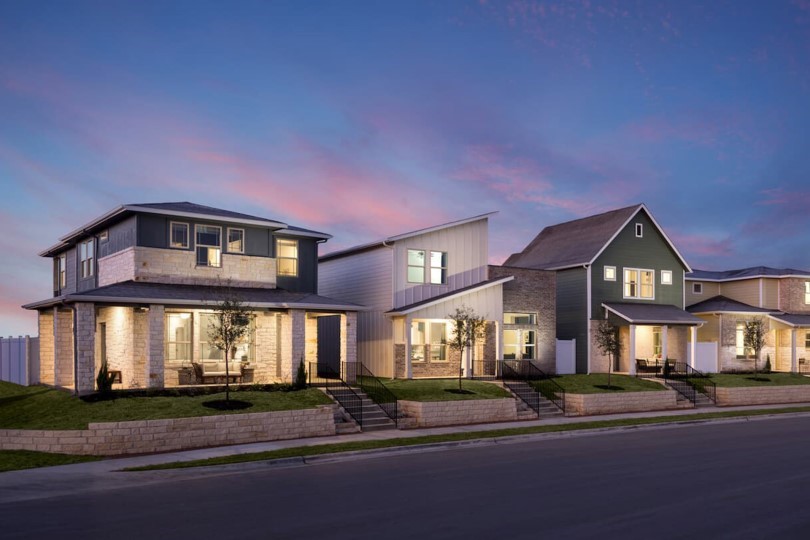
Easton Park Community, Austin, Texas
Brookfield Residential’s Approach to Designing Communities for Life
Brookfield Residential proudly builds brand-new homes in award-winning communities throughout North America. We create unique places where people live their best lives, connect with neighbors, and take advantage of all the amenities outside their front door.
The thoughtful planning put into our master-planned communities doesn’t stop at the homes. The entire lifestyle the community offers has also been carefully curated with conveniences designed to support the vision.
Through intentional community planning, integrated green spaces, and thoughtfully designed amenities, Brookfield Residential develops places designed for enduring livability. By prioritizing parks, trails, gathering spaces, and varied housing options, these communities encourage residents to stay and thrive.
A Community Designed for the Life You’re Building
Choosing where to live is about more than checking off today’s wish list. It’s about finding a neighborhood that supports your future as confidently as it supports your present.
Thoughtful neighborhood design, adaptable homes, and well-integrated amenities create environments where long-term living feels natural. In communities built to evolve with you, routines feel easier, connections grow stronger, and moving becomes less necessary.
Explore where we build and discover growing communities designed for long-term living.