
The Real Cost of Home Maintenance: Why New Homes Simplify Ownership

The true cost of owning a home goes beyond the most obvious factors, and ongoing home maintenance costs are often overlooked during the buying process.
First-time homebuyers and move-up homeowners may underestimate how quickly the cost of repairs, replacements, and routine maintenance can add up, especially in older homes. Over time, these expenses can affect your monthly cost, your long-term budget, and even how much you enjoy homeownership.
This blog breaks down the real cost of home maintenance, compares the upkeep between older homes and newly built homes, and explains how new homes can offer more predictable costs and require less day-to-day maintenance.
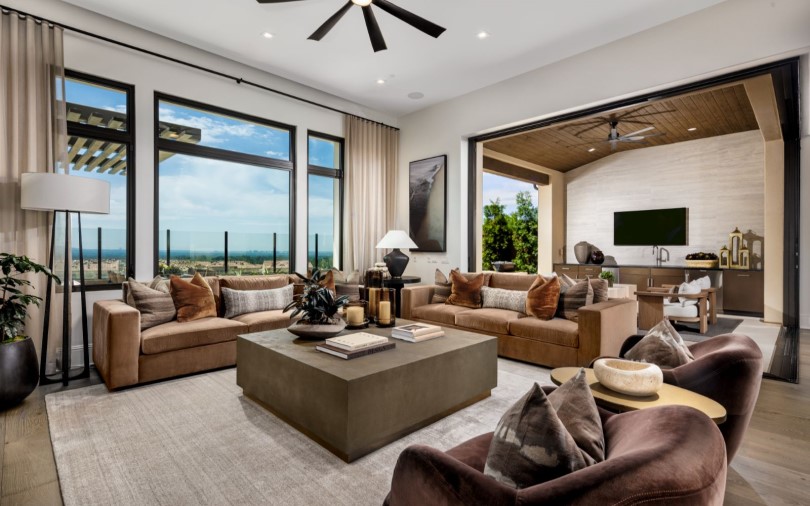
Solana Floor Plan, Vista in Summit Collection, Orchard Hills Community, Irvine, California
Understanding the Cost of Owning a Home
The cost of owning a home is more than just the monthly mortgage payment, and it’s important that you consider the full scope of expenses. When you’re creating your budget, you’ll want to factor in any potential ongoing and variable expenses.
The costs may include:
- Repairs and maintenance, both expected and unexpected
- Utilities and energy usage
- Property services, such as landscaping or pest control
- Replacements for major systems and appliances
- Insurance and property tax obligations
A common rule of thumb suggests budgeting between 1% and 4% of a home’s purchase price each year for home maintenance costs, though the actual number will vary based on the home’s age, condition, and construction quality.
For many homeowners, planning for at least 1% annually provides a helpful baseline to ensure there is a solid safety net should any issues arise. For older homes with aging systems and materials, setting aside a larger maintenance budget may bring more peace of mind.
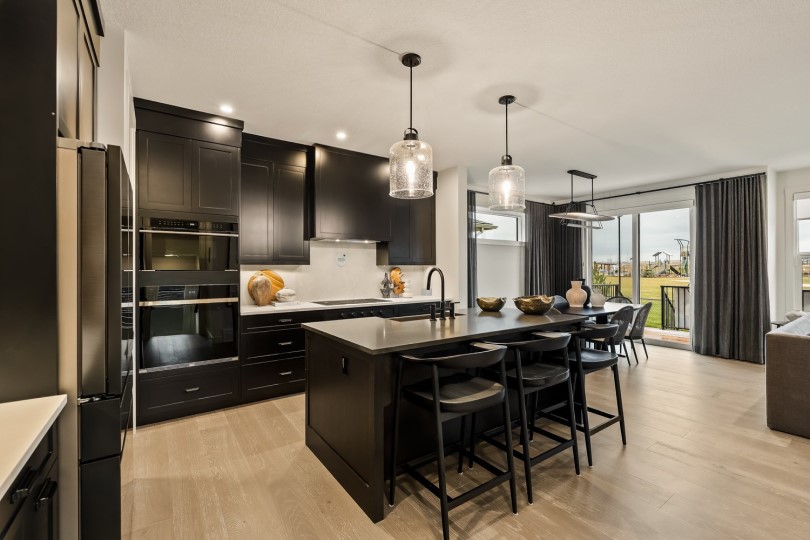
Purcell 26 Floor Plan, Front Garage Conventional Collection, Starling Community, Calgary, Alberta
Common Home Maintenance Costs in Older Homes
Maintenance costs tend to rise as homes age, and even well-maintained properties can face system failures simply due to time and wear.
Common high-cost issues include:
- Roof repairs or full roof replacement
- Aging HVAC systems nearing the end of their lifespan
- Plumbing leaks, corrosion, or the need to update outdated piping
- Electrical systems that no longer meet modern needs
Major components such as HVAC systems, roofing, and plumbing tend to be more expensive to repair or replace, but potential issues can sometimes be spotted during a walkthrough or inspection.
It’s important to know that maintenance costs can extend beyond what’s immediately visible. Outdated wiring, insufficient insulation, and aging plumbing systems may not show obvious signs of failure at first, but they can lead to costly repairs at any point.
Unlike cosmetic updates, these repairs are rarely optional. When systems fail, homeowners must act quickly, often without time to shop around or plan financially. This unpredictability makes home maintenance costs harder to manage year over year if you haven’t budgeted for them in advance.
Over time, these unplanned repairs can significantly increase the overall cost of owning a home, particularly in older properties where multiple systems may reach the end of their lifespan around the same time.
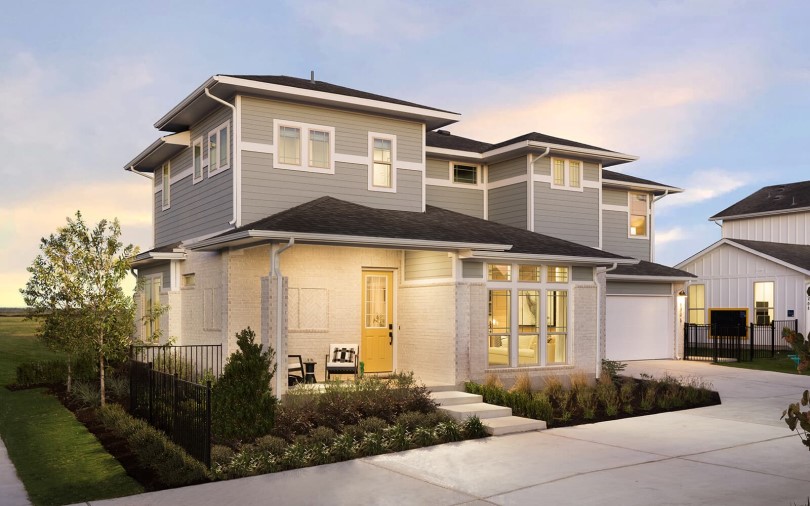
Heritage Floor Plan, Urban Courtyard Homes Collection, Easton Park Community, Austin, Texas
Why New Homes Have Lower Maintenance Costs
One of the biggest benefits of buying a new construction home is that they typically don’t require as many upgrades or major repairs. A newly built home starts from a different baseline because everything is installed to the latest building codes and designed for modern living.
Because the systems are brand new, homeowners can enjoy:
- Fewer unexpected repairs
- More consistent monthly cost planning
- Reduced short-term repairs and maintenance expenses
A newly built home can last for decades or even a century when constructed properly and consistently maintained over time. Updated roofing materials, improved insulation, advanced HVAC systems, and modern construction techniques work together to limit early maintenance needs and extend replacement timelines.
While no home is maintenance-free, new construction homes typically require less immediate upkeep and fewer major repairs during the early years of ownership, giving homeowners peace of mind and a more manageable long-term budget.
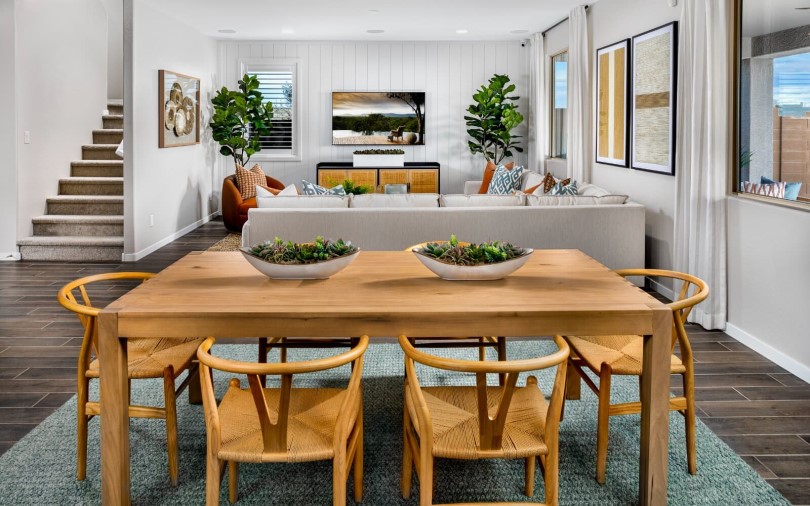
Ponderosa Floor Plan, Highland Ridge Collection, Alamar Community, Avondale, Arizona
New Construction Benefits that Reduce Upkeep
One of the most practical new construction benefits is predictability. New homes are designed to minimize early maintenance demands and protect homeowners from surprise expenses.
Key benefits include:
Builder Warranties
One of the perks of buying a new construction home is that it often comes with a builder’s warranty, offering added peace of mind during the early years of ownership. These warranties typically cover key structural elements, major systems, and work quality for a specified period, helping to protect you from unexpected out-of-pocket expenses.
Energy-Efficient Systems and Materials
A new build home is designed to be more energy-efficient. Compared to older homes with outdated systems, new-construction homes come with multi-pane windows, tankless water heaters, HVAC systems, and more, all specifically designed to keep your home as energy-efficient as possible. It’s also built with sustainable materials designed for the highest performance levels, meaning it’s good for the environment and your wallet.
Smart Home Technology
One of the standout features of many new construction homes is the integration of smart home technology, which is often included as a standard part of the build. From day one, homeowners enjoy features like smart thermostats or monitoring systems that help manage energy usage and identify any potential issues earlier, reducing the likelihood of costly repairs later.
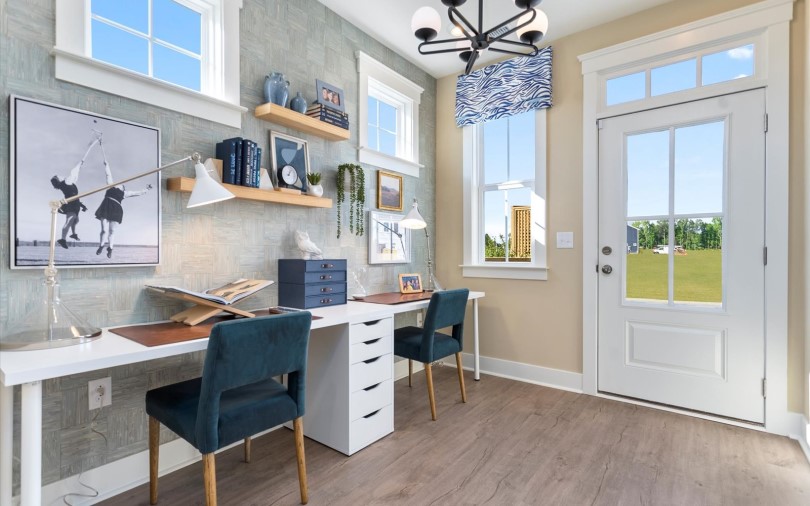
Lennox Floor Plan, Townhomes Collection, Wendell Falls Community, Wendell, North Carolina
Energy Efficiency and Utility Savings
Energy efficiency plays a direct role in long-term affordability. Homes designed to be efficient reduce strain on HVAC systems and lower utility bills, helping stabilize the monthly cost of ownership.
Over time, reduced energy consumption leads to:
- Lower utility expenses
- Less wear and tear on the mechanical systems
- Greater year-round comfort
This means you can better predict your monthly homeownership costs since you’ll likely spend less on both upkeep and everyday operation. Add in the benefit of your new home warranty, and your budget can breathe a sigh of relief knowing that you’re covered if any issues arise.
Comparing Long-Term Costs: New Construction vs. Older Homes
Over a 5 to 10 year period, older homes may require multiple major repairs, maintenance costs could spike unpredictably, and there isn’t the reliability and peace of mind that comes from a warranty or new systems.
| Feature | New Construction | Older Homes |
|---|---|---|
| Energy Efficiency | High—new systems and materials | Lower—older systems and insulation |
| Energy Bills | Lower | Higher |
| Maintenance | Minimal | More likely to require repairs |
| Technology | Smart features often built-in | May require upgrades |
| Major Repairs | Rare (and likely covered under warranty) | Common |
Reframing the way you think about new construction compared to older homes may help you see the value that lies beyond the purchase price and evaluate total ownership costs more realistically. Even if a new build home has a higher upfront purchase price, it likely reflects an investment in lower future expenses.
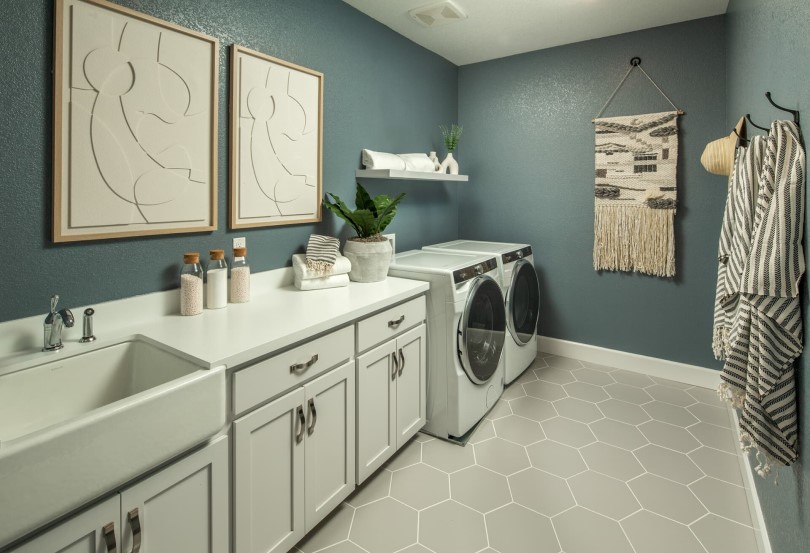
Residence 4 Floor Plan, Tesoro Neighborhood, Amoruso Ranch Community, Roseville, California
Who Benefits from a Low-Maintenance Home?
Low-maintenance living appeals to a wide range of buyers. Almost anyone would enjoy the peace of mind that comes from your to-do list and budget being free of household repairs and maintenance.
The buyers who may feel they benefit the most include:
- First-time buyers who want predictable expenses while learning the ins and outs of homeownership
- Busy professionals and families who prefer spending their time at home doing something enjoyable rather than managing repairs
- Retirees or households on a fixed income who don’t want the worry of unexpected and costly repairs
- Buyers planning to stay in their home for the long term and want to invest in reliability and peace of mind
Why Brookfield Residential Homes Simplify Ownership
After learning how maintenance and efficiency affect long-term costs, the difference in construction quality between newly built and older homes becomes clearer.
With over 70 years in the industry, Brookfield Residential prioritizes:
- Certified construction practices
- Industry-leading warranties
- Using sustainable materials
- Thoughtful craftsmanship and attention to details
- Floor plans designed for modern living
- Smart home technology
Beyond move-in day, Brookfield’s customer care and post-close support team help homeowners navigate questions about routine maintenance and home systems, ensuring confidence long after you get the keys.
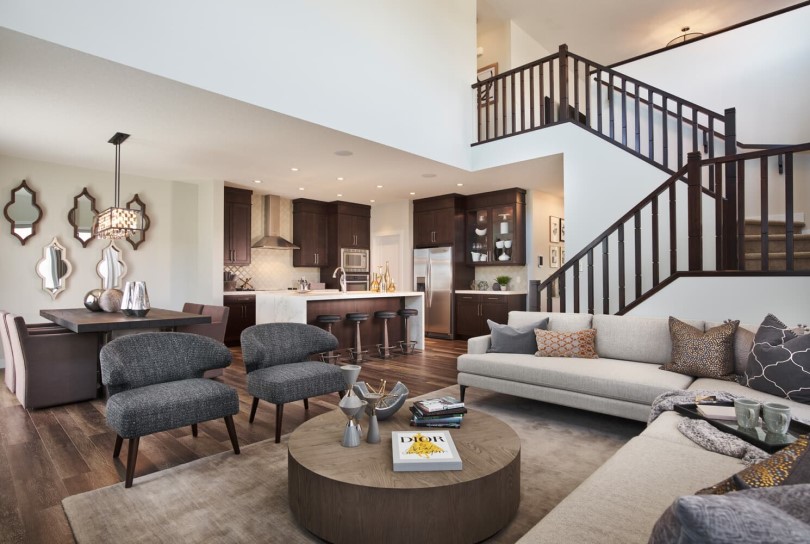
Savona 3 Floor Plan, Estate Collection, Seton Ridge Community, Calgary, Alberta
Understanding home maintenance costs plays a critical role in choosing the right home. While the purchase price gets most of the attention, long-term upkeep often shapes the real ownership experience.
By considering new construction benefits, energy efficiency, and system longevity, buyers can better manage the true cost of owning a home and avoid many of the surprises that come with older homes.
Explore Brookfield Residential's new homes and experience lower-maintenance living from day one.
The information provided in this blog post is for informational purposes only and should not be considered investment, professional, or legal advice. Please consult a professional before making real estate decisions. Brookfield Residential is not responsible for any actions taken based on the information provided.