
Buying a New Build Home: Why You Should & How to Do It

From personalization opportunities and energy-efficient features to modern floor plans and vibrant communities, new construction offers unique benefits you likely won’t find in older homes. Before diving in, it’s important to know the ins and outs of the homebuying process, the costs that go into ownership, and what makes a new build a solid investment.
In this guide, we’ll walk you through why buying a new construction home is a smart choice and how to navigate the journey successfully.
Why Buy a New Construction Home?
Stepping into homeownership is a big moment—and opting for a newly built home offers unique advantages that can make the journey even more rewarding.
Modern and customizable floor plans designed for how you live
Home designs have continuously evolved to better fit our needs. From the incorporation of garages as a “must-have” item in the ‘60s, the increase in popularity of two-story homes in the ‘80s, and the shift from compartmentalized rooms to open-concept floor plans in recent years, homes have changed over time to meet the new needs of homeowners.
When you buy a new construction home, you move into a floor plan that meets your needs from day one rather than using your budget and time to renovate an older home’s layout that doesn’t work for you.
If you choose a presale home, you can also select your finishes, fixtures, and even structural options to tailor your new home design to your liking. Whether you want to choose from a designer-curated palette or prefer to mix and match for a look that is completely your own, you'll likely have design experts to help ensure the result is a beautiful home you’ll love for years to come.
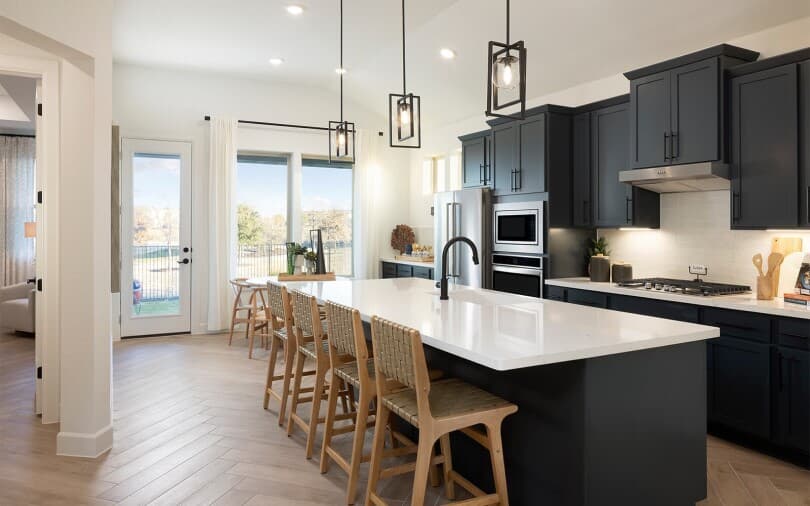
Cambridge Floor Plan, Traditional Homes Collection, Easton Park Community, Austin, Texas
Transparent and secure pricing
With a new construction home, you have more control over the outcome—from style and layout to personalized finishes that reflect your unique preferences. Unlike renovating an older home, which can be time-consuming, costly, and disruptive, building new offers a smoother, more predictable experience. Remodeling older homes can cost anywhere from $40,000 to over $300,000 and often comes with unexpected complications due to aging structures and outdated systems.
At Brookfield Residential, we prioritize transparency from the start. Our complete pricing model ensures you know exactly what to expect—no surprises or hidden fees.
Our myVision home visualizer enhances the experience by allowing you to explore floor plans, customize materials, and see real-time pricing updates as you make selections. It’s a one-of-a-kind way to design a home that’s truly your own, with the confidence of knowing where every dollar is going.
Included smart home technology
One of the standout features of many new construction homes is the integration of smart home technology—often included as a standard part of the build. From day one, homeowners can enjoy a more connected, convenient, and efficient living experience without the hassle or added cost of retrofitting an older home.
These technologies may include smart thermostats, smoke and carbon monoxide detectors, keyless entry systems, video doorbells, leak sensors, and Wi-Fi-enabled garage door openers. Many systems are controllable via smartphone apps or voice assistants, allowing you to monitor and manage your home from virtually anywhere.
Not only do these features enhance comfort and security, but they’re also increasingly important to today’s buyers—making them a smart investment that can boost your home’s future resale value.
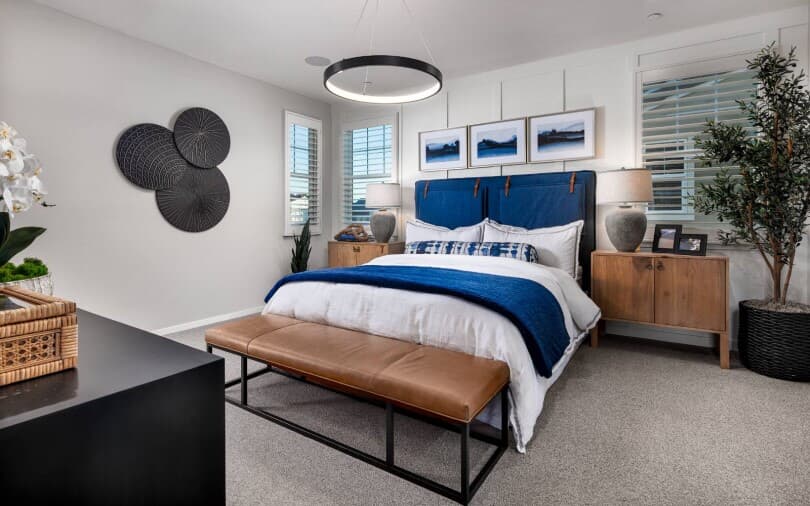
Residence 3 Floor Plan, Dwell Collection, New Haven Community, Ontario, California
Energy efficiency
A new build home is designed to be more energy-efficient. Compared to older homes with outdated systems, new-construction homes come with multi-pane windows, tankless water heaters, HVAC systems, and more, all specifically designed to keep your home as energy-efficient as possible. It’s also built with sustainable materials designed for the highest performance levels—it’s good for the environment and your wallet.
Lower maintenance costs
With all those brand-new systems in place, the need for immediate repairs is low. One reason why some people prefer new construction homes is that they typically don’t require as many upgrades or major repairs, at least for several years.
Today’s high-efficiency systems are also designed to be more cost-effective to run. Newer technology operates more efficiently, helping you save on monthly utility bills while reducing wear and tear over time.
This means you can better predict your monthly homeownership costs since you’ll likely spend less on both upkeep and everyday operation. Add in the benefit of your new home warranty, and your budget can breathe a sigh of relief knowing that you’re covered if any issues arise.
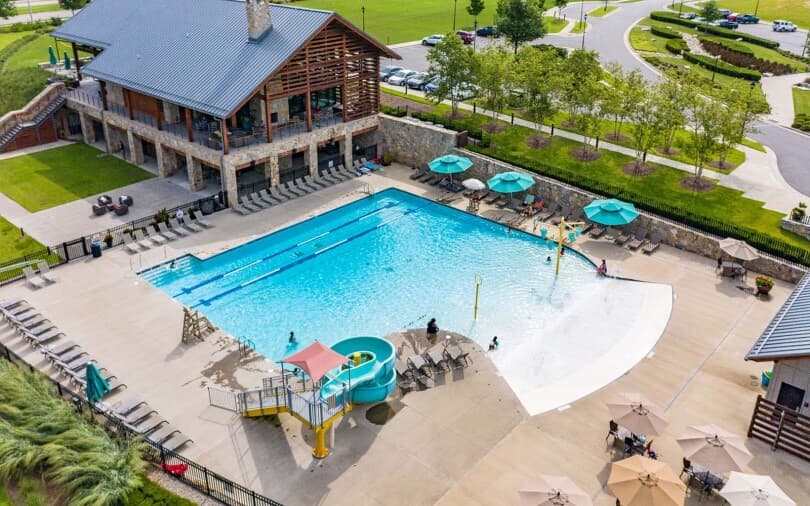
Wendell Falls Community, Wendell, North Carolina
Vibrant communities with top amenities
A new construction home often comes with brand-new amenities, such as a pool, clubhouse, parks, playgrounds, or a fitness center. Some master-planned communities take this a step further with a community coordinator who creates a comprehensive social calendar and organizes neighborhood events for residents to enjoy.
Added bonus? If you’re able to buy in the early stages of a new neighborhood, the value of your home increases as the amenities are added and become fully functional.
Strong sense of community and connection
Moving into a new home community means you’ll likely have neighbors who are also just settling in, providing a fresh start and new bond for everyone. Small talk about moving challenges turns into tips and tricks for unpacking quickly, and the next thing you know, you’re hosting that neighborhood block party that will become an annual tradition. Good neighbors quickly become great friends.
There’s also a sense of connection with your home as you’ve watched it be built from start to finish. You’ve chosen the homesite. You’ve selected the floor plan. You’ve curated the finishes. The emotional tie of living in a new home that you’ve designed and created specifically for you just can’t be replicated in a resale home.
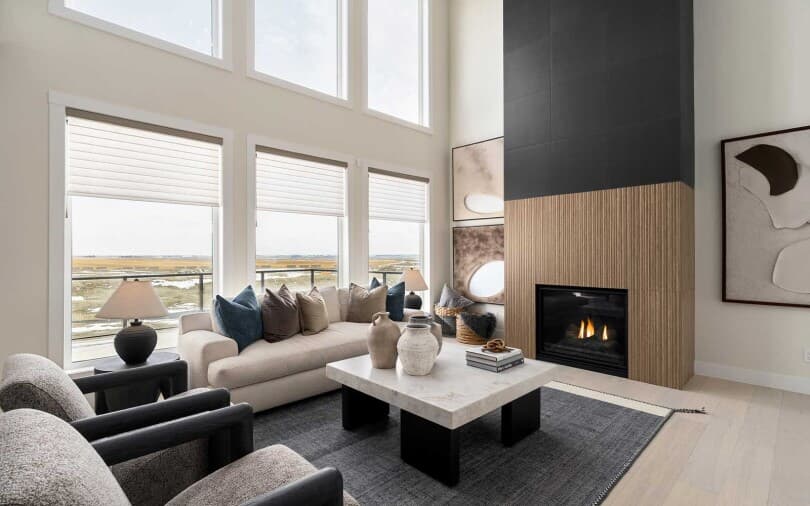
Palermo Floor Plan, Estate Collection, Livingston Community, Calgary, Alberta
New Construction vs. Resale: The Key Differences
|
Feature |
New Construction |
Resale |
|
Floor Plans |
Modern, open-concept, customizable |
Often outdated, may need renovation |
|
Energy Efficiency |
High—new systems and materials |
Lower—older systems and insulation |
|
Maintenance |
Minimal |
More likely to require repairs |
|
Technology |
Smart features often built-in |
May require upgrades |
|
Move-In Time |
May take several months unless move-in ready |
Typically 30–45 days after purchase |
|
Location Options |
Often limited to where new communities are developing |
Broader choices, especially in established areas |
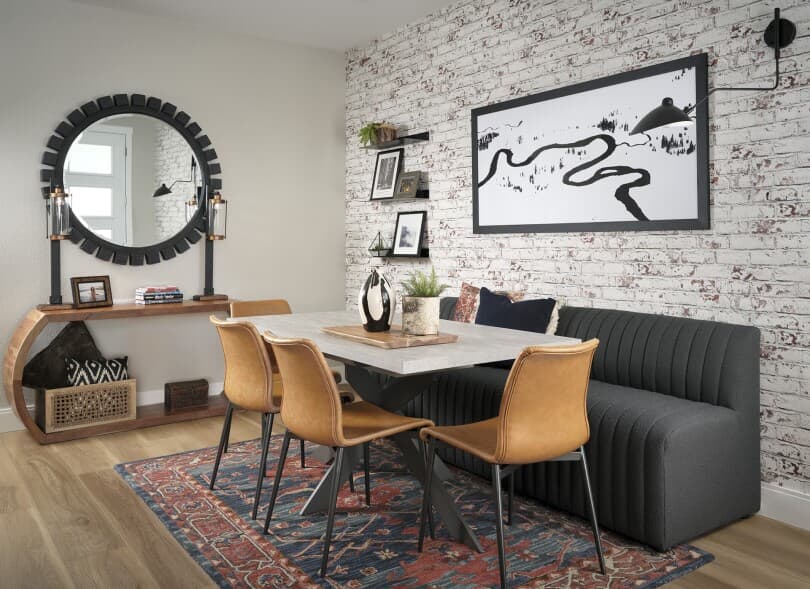
Horizon Three Floor Plan, Horizon Townhomes Portfolio, Midtown Community, Denver, Colorado
The Additional Costs of Buying a New Construction Home
Beyond the purchase price of your new home, you’ll want to factor in and plan for some additional expenses. By understanding these ahead of time, you can budget confidently and enjoy a smooth, stress-free transition into your brand-new home.
Appliances
While many new construction homes include essential appliances like a stove, oven, and dishwasher, it’s not always a given. Some homes may come move-in ready with a full suite of kitchen and laundry appliances, while others may offer these as optional upgrades or exclude them altogether.
If appliances like a refrigerator, washer, or dryer aren’t part of the package, be sure to factor in the cost of purchasing and installing them. The upside? You’ll have the opportunity to select appliances that match your preferred style, energy-efficiency standards, and smart home features.
Closing Costs
Like any home purchase, buying a new construction home comes with closing costs—fees and expenses that are due at the end of the transaction. These can include loan origination fees, title insurance, appraisal fees, escrow costs, and other related expenses. While they may vary depending on the location, lender, and price of the home, closing costs typically range from 3% to 6% of the home’s purchase price.
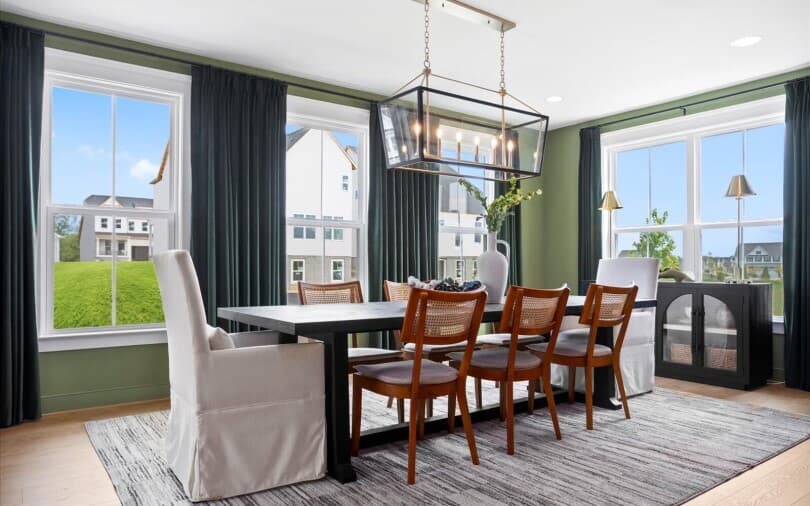
Sheridan II Floor Plan, Single Family Collection, Snowden Bridge Community, Stephenson, Virginia
Deposit
When purchasing a new construction home, you’ll typically be asked to provide a deposit upfront. This amount usually ranges from 5% to 20% of the home’s purchase price, depending on the builder, the type of home, and its stage of construction. Your deposit is an important part of the process—and a sign that your dream home is officially underway.
With a smaller builder, the deposit may help cover essential early costs such as building materials, contractor labor, permits, and the land itself. In many cases, this payment also secures your chosen homesite and floor plan, locking in your selections so construction can begin.
Furniture and Decor
Moving into a brand-new home is the perfect opportunity to refresh your living space—and that often includes updating your furniture and décor. While you might plan to bring everything from your previous home, some buyers find that their existing pieces don’t quite fit the style, layout, or scale of their new space.
Investing in new furniture, artwork, rugs, and accessories can add up quickly, so it’s a good idea to factor these expenses into your overall budget. The upside? You get to design a space that feels cohesive, comfortable, and perfectly you. To balance your budget, consider upcycling some of your existing furniture and take your time curating your new home one room at a time.
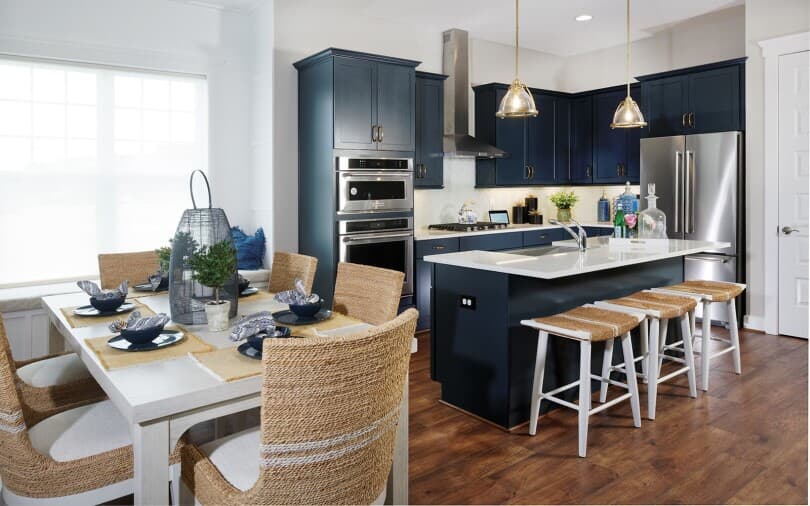
Preston Floor Plan, Single Family Homes Collection, Nexton Community, Summerville, South Carolina
Homeowner or Resident Association Fees
Many new construction communities are part of a Homeowner or Resident Association, which helps maintain the overall appearance, functionality, and value of the neighborhood. These associations typically collect monthly or annual fees, which can vary depending on the community and the range of amenities and services offered.
While these fees may add a bit to your monthly budget, they go a long way in supporting a well-kept and vibrant community. Funds are often used for the maintenance of shared spaces, including parks, walking trails, landscaping, and entrance features, as well as the upkeep of amenities such as playgrounds, clubhouses, and fitness centers. Some associations even organize community events and social gatherings that bring neighbors together.
Homeowner's Insurance
Homeowner’s insurance is an essential part of protecting your new investment, and your lender typically requires it. The cost of your policy can vary depending on factors such as the home’s value, location, size, and features, but it’s a worthwhile safeguard for the peace of mind it provides.
A standard policy typically covers damage or loss resulting from events such as fire, theft, or specific natural disasters. In some areas, additional coverage—such as flood or earthquake insurance—may be recommended or required. In most cases, your insurance premium is bundled into your monthly mortgage payment, making it easy to manage.
With a brand-new home, you’re often insuring high-quality construction, modern materials, and up-to-date safety features, which can help keep premiums reasonable. It’s one more reason why buying new can make smart financial sense.
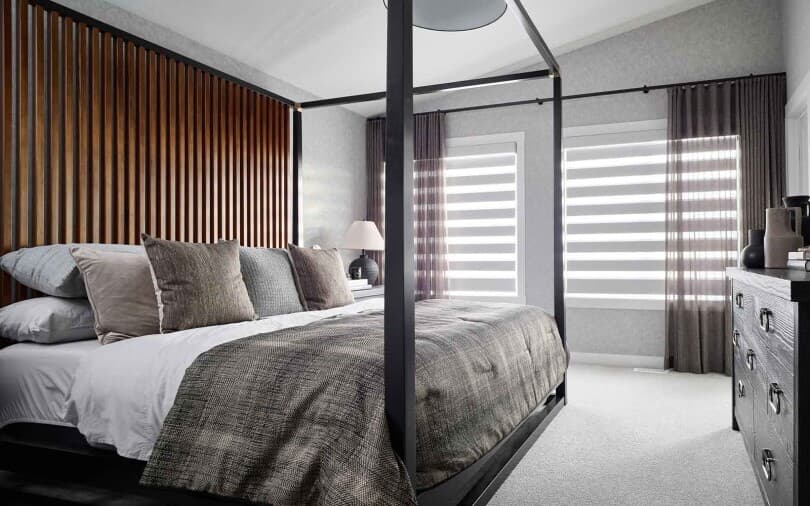
Home Warranty
One of the perks of buying a new construction home is that it often comes with a builder’s warranty, offering added peace of mind during the early years of ownership. These warranties typically cover key structural elements, major systems, and work quality for a specified period, helping to protect you from unexpected out-of-pocket expenses.
However, it’s important to understand what’s included and what is not. While many components are covered, some minor repairs or routine maintenance items may fall outside the scope of the warranty. That’s why some homeowners choose to purchase an additional home warranty plan for extended protection, especially as the builder coverage phases out.
Landscaping and Outdoor Maintenance
New construction homes often include a basic landscape to get you started, but customizing your outdoor space to match your vision may take more time and investment. Whether you dream of garden beds, a cozy patio, or lush backyard greenery, you’ll have the opportunity to create an outdoor space that truly reflects your lifestyle.
As with any home, it’s also important to plan for ongoing maintenance, like lawn care, trimming shrubs, and seasonal upkeep, to keep your yard looking its best year-round. The good news? Starting with a blank slate means you can choose low-maintenance plants, water-smart designs, and outdoor features that suit your needs from the beginning—saving time and effort in the long run while boosting curb appeal and home value.
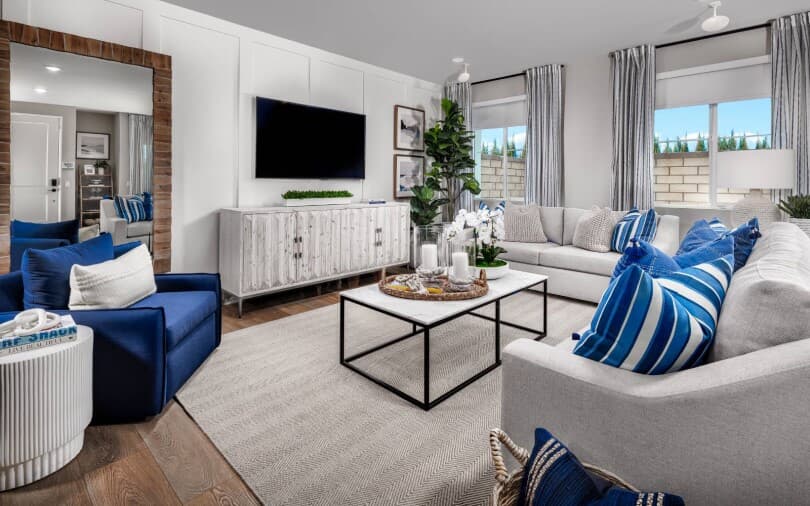
Residence 6 Floor Plan, Row Collection, New Haven Community, Ontario, California
Moving Expenses
Whether you’re relocating across town or across the country, budgeting for moving expenses will help ensure a smooth transition.
If you’re handling the move yourself, you’ll need to consider the cost of renting a truck, fuel, packing supplies, and possibly some extra help for heavy lifting. If you opt for a professional moving company, costs can vary depending on the distance, volume, and services, such as packing or insurance coverage.
It's also smart to set aside a little buffer for the unexpected, such as repairs or replacement of any items that have been damaged, broken, or lost.
Property Taxes
As a new homeowner, you'll be responsible for paying property taxes on your new home. Your property taxes will depend on the value of the house and the tax rate in your area, but you can expect to pay between 0.2% and 2.5% of the home's value in property taxes annually. Be aware that you’ll still be responsible for property taxes when you finish paying the mortgage.
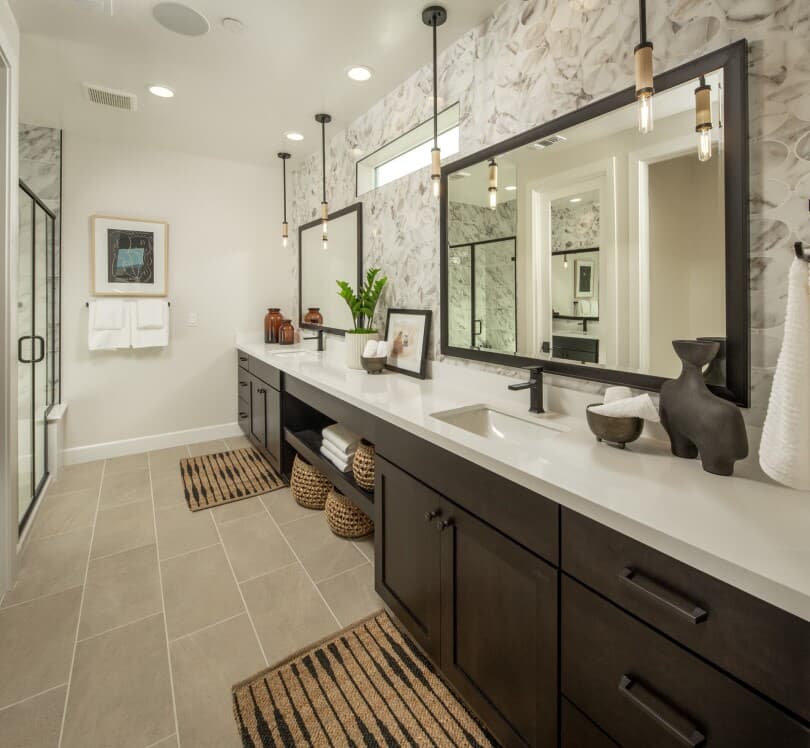
Residence 3 Floor Plan, Foundry Neighborhood, Napa RiverSound Community, Napa, California
Upgrades and Customization
Builders often offer a range of upgrades and customization options—whether it’s premium countertops, upgraded flooring, or high-end appliances—that can truly make your home feel like yours from day one.
These enhancements not only elevate your living experience but can also add long-term value and appeal. It’s important to note that these selections may increase the overall purchase price, so be sure to factor these options into your budget ahead of time.
Utilities
As a new homeowner, especially if you're transitioning from a rental, you may encounter some new responsibilities when it comes to utilities. While you’re likely familiar with paying for electricity and gas, you’ll now also be responsible for services like water, sewage, and waste collection—costs that your landlord may have paid based on the rental agreement.
The size and layout of your home, along with its energy performance, will influence your usage and costs, so it’s a great idea to ask your builder about energy-saving programs or features included in your home.
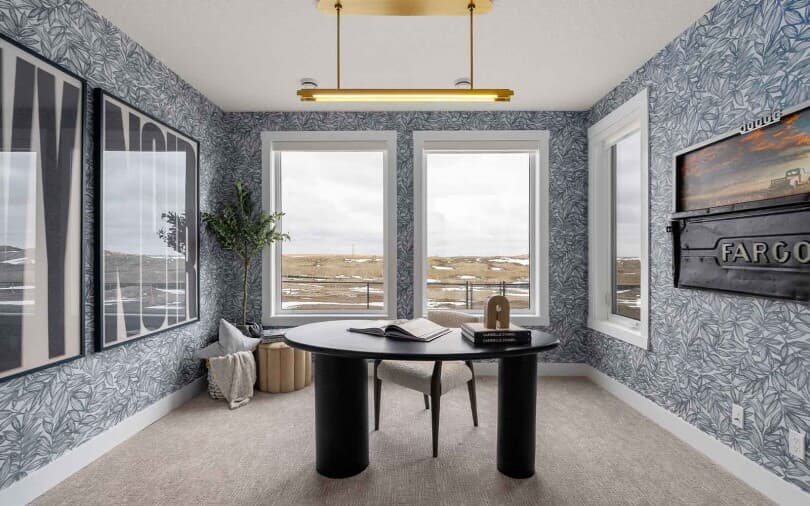
Palermo Floor Plan, Estate Collection, Livingston Community, Calgary, Alberta
How to Buy a New Build Home
Buying a new home is a different experience from purchasing a resale—one that comes with unique steps, exciting choices, and valuable opportunities to make the home truly yours. Here are five key steps to guide you through the journey:
1. Get Pre-Approved: Understanding your budget is the first step, and being pre-approved shows builders you’re a serious buyer. Our blog, How to Get Pre-Approved for a Mortgage, is a great resource to help you get started.
2. Choose the Right Community: Think about location, lifestyle, amenities, association fees, and future value. Not sure where to begin? How to Decide Where to Live covers the essential factors to help narrow your options.
3. Select a Floor Plan: Pick a layout that meets your needs today and can grow with you tomorrow. Want a deeper understanding? Check out Trends in Home Floor Plans and How to Read and Understand a Floor Plan to help visualize how a space could work for your lifestyle.
4. Customize Your Home: From flooring and fixtures to finishes and structural options, you’ll work with design experts to personalize your home in a way that reflects your style and priorities.
5. Understand the Timeline: The building process takes time, and knowing what happens when can help you plan with confidence. Learn more in How Long Does it Take for a New Home to Be Built? and explore the Top Reasons to Buy a Quick Move-In Home if you’re on a shorter timeline.
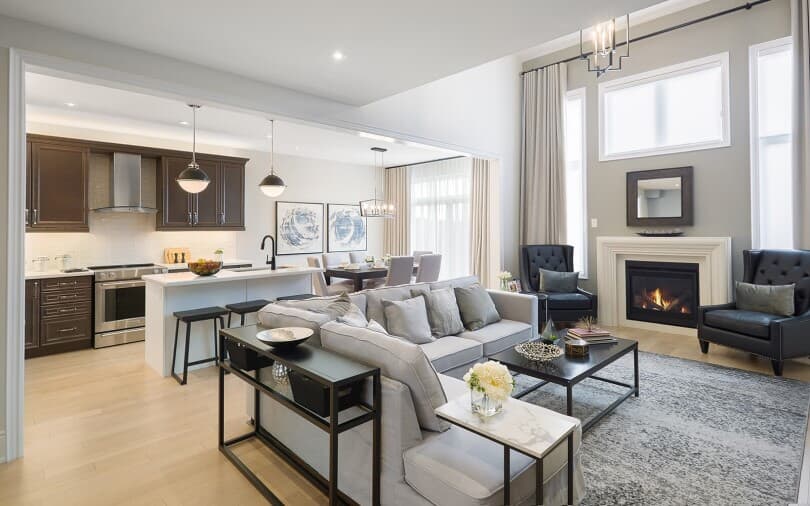
Braydon Floor Plan, 50' Detached Collection, Heartland Community, Baxter, Ontario
Ready to Find Your New Home?
From modern floor plans and energy-efficient features to transparent pricing and vibrant communities, buying a new construction home offers countless advantages that go far beyond the excitement of being the first to live there. With a clear understanding of the costs, process, and what to expect along the way, you can approach your homebuying journey with confidence.
At Brookfield Residential, we’re here to guide you every step of the way—from choosing the right community to handing over the keys. Whether you’re ready to start customizing your dream home or want to explore quick move-in options, our team is ready to help you find the perfect fit for your lifestyle.
Explore where we build and connect with our sales team when you’re ready to learn more. We’ll be expecting you!
The information provided in this blog post is for informational purposes only and should not be considered investment, professional, or legal advice. Please consult a professional before making real estate decisions. Brookfield Residential is not responsible for any actions taken based on the information provided.