
How Community Design Encourages Connection Between Neighbors

This is what community design is really about: the layout and features that quietly shape whether neighbors become friends or stay strangers who happen to live nearby.
Your home is where daily life happens, but the neighborhood around it shapes how that life feels. More buyers today are looking beyond square footage and design finishes toward something harder to measure: neighborhood connection, the feeling that a community was designed around the people who live there.
That’s part of a bigger shift toward social living communities, where shared spaces, walkable layouts, and small touches like porches or courtyards do some of the work of bringing neighbors together.
In this blog, we’ll explore how those factors combine to build real connection, and what it means for everyday life long after the moving boxes are gone.
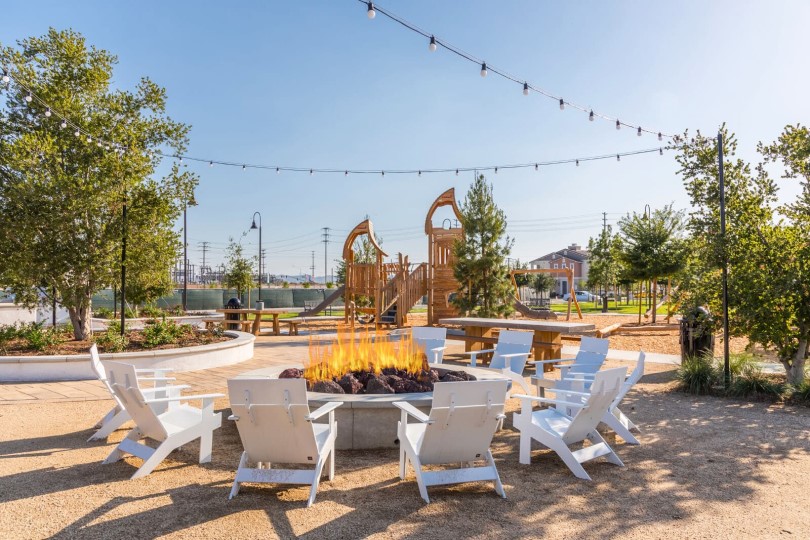
New Haven Community, Ontario, California
Designing for Connection: The Role of Community Planning
Before a single home is built, planners are already shaping how neighbors will interact. Where streets connect, how close homes sit to one another, and how much open space a plan sets aside all influence whether residents cross paths regularly or rarely see each other at all.
This is the foundation of thoughtful community design, planning that gives equal weight to where homes go and how people will live around them.
Density and layout play a bigger role than many buyers realize. Neighborhoods with a mix of housing types, connected streets, and pockets of shared space tend to create more opportunities for interaction than sprawling layouts built around long, isolated blocks.
When a plan positions homes to face shared spaces rather than turn away from them, residents naturally spend more time in view of one another, and small interactions add up over time.
At its core, good neighborhood design starts with people. Planners have to think beyond traffic flow and lot sizes and ask a different question, one that puts residents first. Where will neighbors naturally gather, and what will draw them outside their front door?
Communities designed with that question in mind tend to build in the kinds of spaces and layouts that turn chance encounters into familiar faces, and familiar faces into real relationships.
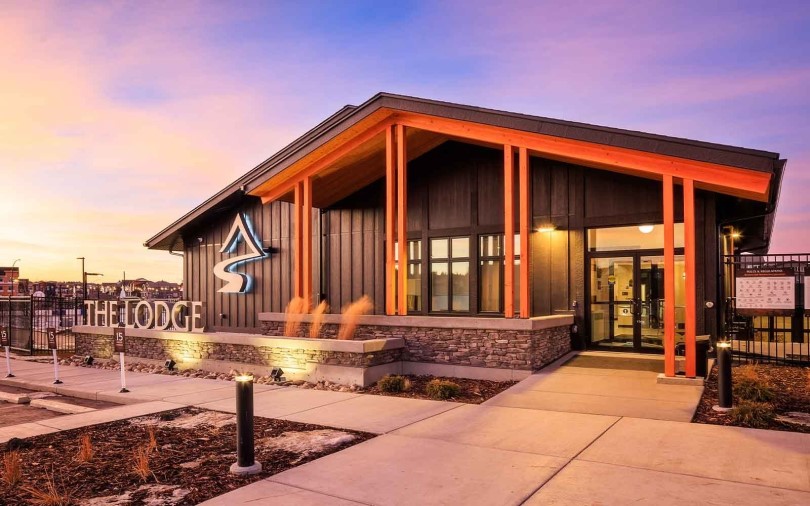
Rockland Park Community, Calgary, Alberta
Shared Spaces That Bring Neighbors Together
Every connected community has a few spots where people inherently end up. A park bench where dog walkers pause to chat. A trail where morning joggers wave to the same familiar faces. A clubhouse that can host everything from birthday parties to book clubs. These are the shared spaces in communities that become places people actually want to be right outside their own front door.
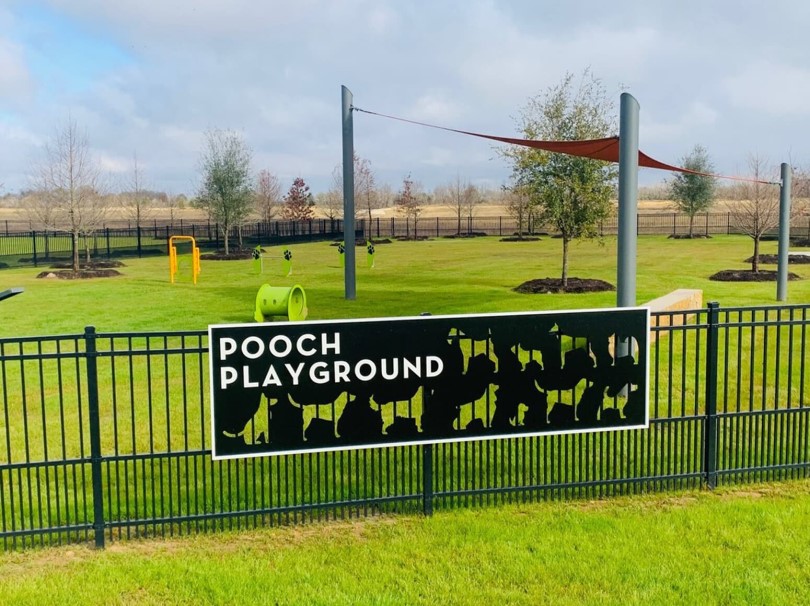
What makes these spaces work is variety. A splash pad draws young families outside on hot summer afternoons, while a fitness center or walking loop appeals to retirees looking to stay active. Dog parks bring pet owners together almost daily, and a co-working style lounge gives remote workers a reason to leave the house without having to leave the neighborhood.
When a community offers parks and shared amenities suited to different lifestyles and life stages, more residents find a reason to step outside and, eventually, someone to talk to when they do.
Design alone only goes so far, though. The neighborhoods that feel most connected tend to pair well-placed spaces with community programming: bagels and brew at the outdoor pavilion, a movie night on the event lawn, or a holiday gathering at the clubhouse. These events give people a reason to show up at the same time in the same place, and a community summer barbecue does more for a friendship than a hundred passing waves from the driveway.
Some communities extend that same spirit online, too, with resident groups or apps that help neighbors coordinate everything from a garage sale to a last-minute dog-sitting favor.
Together, these community gathering spaces and the activity around them build something truly special: a genuine sense of community and connection.
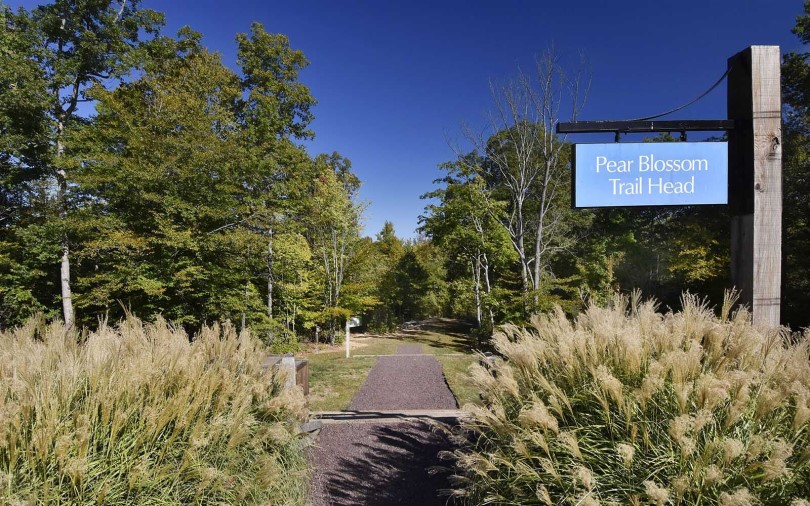
Cascades at Embrey Mill 55+ Community, Stafford, Virginia
Walkability and Everyday Interaction
A short walk to the mailbox can turn into a five-minute chat if the sidewalk actually gets used. That’s the quiet advantage of a walkable neighborhood: it puts people in each other’s path without it feeling forced.
Driving to and from your garage rarely leads to a conversation, but walking there will! Sidewalks that connect to parks, trails that loop through the community, and homes built close enough to amenities that you can reach on foot all create more chances for the small, casual interactions that build familiarity over time.
These small moments matter on a personal level, too. A friendly hello on an evening walk or a few minutes of conversation at the park can lift a person's mood and make a neighborhood feel more like their own. Regular, low-pressure contact with the people nearby also builds a sense of being known, which supports mental health and well-being over time
Good lighting, clear sightlines, and streets designed to slow traffic all shape how comfortable people feel using a space in the first place, making a neighborhood feel safe enough to linger in. A resident is far more likely to strike up a conversation on a well-lit path than on a street where cars are moving fast, and there’s nowhere comfortable to stop.
The result is a neighborhood that supports both convenience and community engagement. Errands become a chance to see familiar faces, evening walks turn into a routine with the neighbors, and getting from one place to another starts to feel less like a chore and more like being part of the community itself.
Creating a Sense of Belonging Through Design
Some neighborhoods feel welcoming from the moment you turn onto the street. Others feel like nobody’s quite sure who they live next to. The difference often comes down to small design choices that either invite people in or quietly keep them at a distance.
A front porch gives residents a place to sit outside, see their neighbors, and be seen in return, which makes those small daily greetings feel natural instead of forced. Streetscapes work the same way. Homes set close to the sidewalk, with visible entryways and inviting landscaping, tend to feel more approachable than homes that turn their focus elsewhere.
A courtyard, a pocket park, or even a wide, tree-lined median gives a neighborhood room to breathe, and a shared backdrop residents come to think of as their own. What makes a neighborhood feel like home often comes down to these smaller, approachable touches rather than any single standout feature.
Over time, that emotional connection to a place becomes part of a resident's identity, shaping how deeply they feel tied to their neighborhood. That sense of belonging tends to translate into pride of ownership, longer tenure, and a stronger community overall.
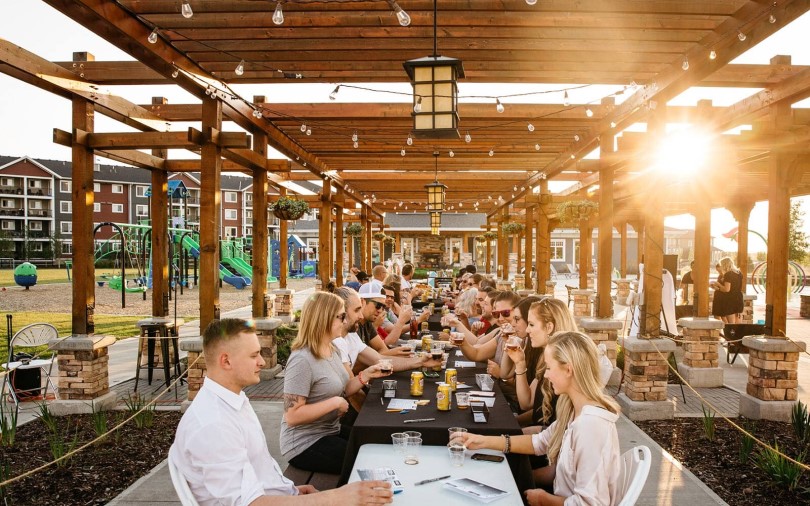
Chappelle Gardens Community, Edmonton, Alberta
Lifestyle Benefits of Connected Communities
The benefits of community living show up in ways both big and small: people who feel connected to their neighborhood tend to report higher overall satisfaction, less stress, and a stronger sense of security than those who feel isolated where they live.
Some of that comes down to practical support. A neighbor who can grab the mail when you’re on vacation, keep an eye on your house during a storm, or lend a hand during a busy week makes everyday life a little easier. Some of it is simply social. Regular interaction, even small talk at the mailbox or a familiar face on a morning walk, contributes to a sense of stability and belonging that’s hard to replicate anywhere else.
This is increasingly part of how people choose where to live. Alongside square footage and design finishes, homebuyers are weighing the benefits of lifestyle-focused communities that offer built-in opportunities for connection, recognizing that a strong social fabric adds real, lasting value throughout the years they call it home.
For many buyers, this shift shows an overall rethinking of what a home should provide.
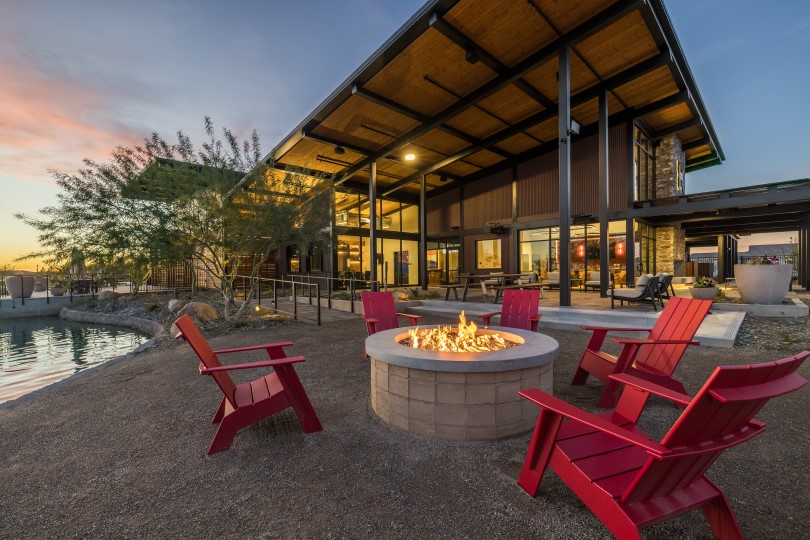
Blossom Rock Community, Apache Junction, Arizona
How Brookfield Residential Designs for Connection
At Brookfield Residential, we believe a great neighborhood is built with the same care as a great home. Every community starts with a plan that weighs where homes will sit and how residents will live, gather, and connect once they move in.
That approach shows up in the way we place parks, trails, and gathering spaces throughout our communities, often ahead of the first home. We design amenities that give residents natural reasons to step outside, whether that’s a splash pad for young families, a fitness center for those staying active, or a community garden where neighbors who enjoy growing something can do it together.
We also pay close attention to the smaller details that shape everyday life. Walkable street layouts, inviting streetscapes, and shared spaces designed for hanging out rather than passing through all add up to a stronger sense of connection among residents.
The result is a social living community where neighbors have real opportunities to build relationships with the people around them. It’s an approach we bring to every community we build, because we know that a great house is only part of what makes somewhere the best place to call home.
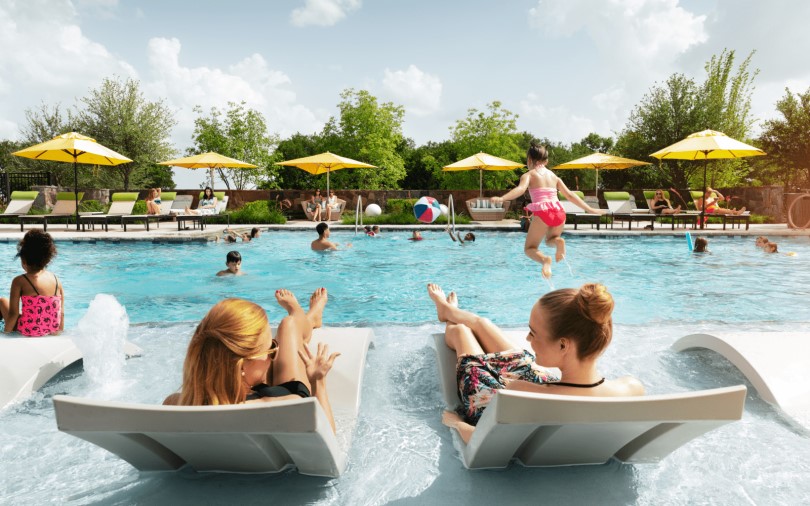
The Grove Frisco Community, Frisco, Texas
Is a Community-Focused Neighborhood Right for You?
Knowing how to choose a community comes down to what kind of neighborhood fits your life, and not every buyer is looking for the same thing. That's okay! Some people want quiet privacy above all else, while others want a place where neighbors know each other by name and community events are part of the calendar.
If you find yourself drawn to the idea of stronger connections, whether that’s a walking group, a friendly wave from the porch next door, or a clubhouse full of familiar faces, a community-focused neighborhood is worth a closer look.
This kind of setting tends to appeal most to young families looking to build their support network, remote workers who want more social interaction in their day, and retirees looking to stay active and engaged in their community.
Ultimately, the right neighborhood is the one that fits how you want to live. For many buyers, that means choosing a community designed to bring people together.

Hiatt Pointe at Snowden Bridge Community, Winchester, Virginia
Building Communities That Bring People Together
A well-designed community shapes more than a resident’s address. From walkable streets to shared parks to a front porch that invites conversation, the small details of neighborhood design determine whether residents feel like they’re part of something or simply passing through.
At Brookfield Residential, we design every community with these connections in mind, because we believe a great neighborhood is just as important as a great home.
Explore Brookfield Residential communities designed to bring neighbors together and support connected living.