
What Makes a Neighborhood Feel Like Home?

So, what makes a neighborhood great? The answer looks a little different for everyone. Families want safe streets and strong schools. Professionals want convenience and community. Older adults and retirees want walkability, social connection, and a place that supports them as they age.
Across all of these priorities, a few key elements remain the same: thoughtful design, genuine connection, and the kind of everyday comfort that makes the people living in the community feel like they truly belong.
In this blog, we’re exploring the elements that turn a collection of houses into a neighborhood people love, and how the right builder makes all the difference.
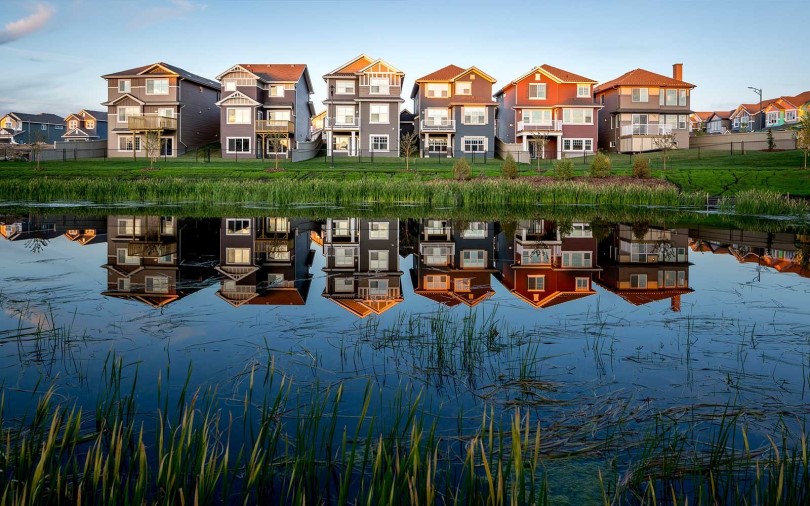
The Orchards Community, Edmonton, Alberta
What Makes a Neighborhood Great?
A great neighborhood is more than a convenient location or an attractive streetscape. It’s a place where safety, connection, convenience, and design work together to create an environment where people can truly thrive.
The physical layout and the people around you both play an important role. Environmental factors like walkable streets, green spaces, and proximity to shops, schools, and everyday conveniences make daily life easier and more enjoyable. Social factors, like knowing your neighbors, having access to community support, and feeling like you belong, contribute to long-term happiness in ways that are harder to measure but are just as real.
When buyers search for a new home, they’re often weighing these factors without even realizing it. Does the neighborhood feel safe? Is it easy to get to where I need to go? Does this feel like somewhere I could put down roots? These questions get to something deeper: Will this place feel like home?
The best neighborhoods provide all of these things, and the best builders design with that goal in mind from the start.

New Haven Community, Ontario, California
The Importance of Friendly Communities
One of the most underrated qualities people look for in a neighborhood is friendliness. Friendly communities don’t just happen by accident. They’re built on trust, shared spaces, and opportunities for neighbors to connect. Research consistently shows that the strength of those connections has a real impact on how happy and healthy people feel in their daily lives.
Friendly communities tend to include well-designed shared spaces that invite interaction, a mix of people living in the area, neighbors feeling invested in the community long-term, and a general culture of openness and inclusion. These characteristics don’t just make a neighborhood more pleasant. They create a sense of safety, belonging, and mutual support that makes a neighborhood feel like more than just the street you live on.
The benefits extend to people of all ages, but the impact is especially felt by those who are new to an area, navigating a life transition, or simply looking for a deeper sense of connection day to day.
Neighbor interaction matters more than most people realize when they’re in the middle of a home search. A wave from across the street, a conversation at the mailbox, or a familiar face at the park are all small moments that can add up in an impactful way.
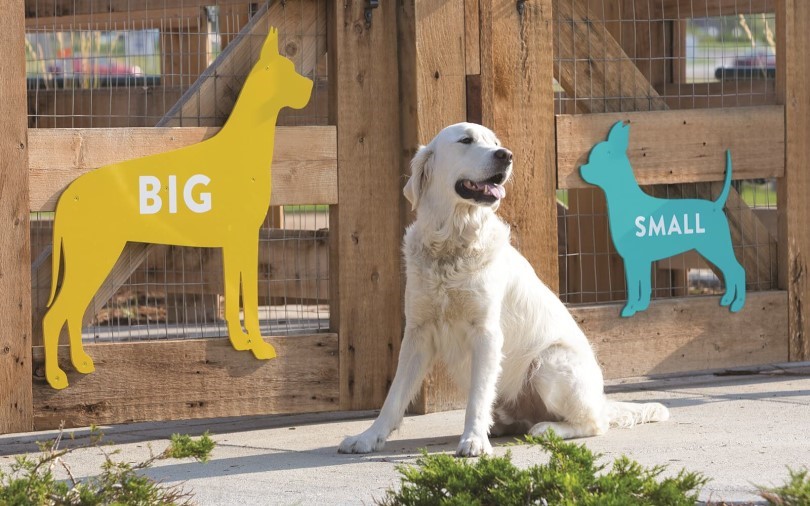
Brighton Crossings Community, Brighton, Colorado
Livable Neighborhood Design and Everyday Comfort
The way a neighborhood is designed has a direct impact on how it feels to live there. Livable neighborhood design goes beyond aesthetics. It’s about creating streets, spaces, and layouts that make everyday life more comfortable, convenient, and connected.
Walkability is one of the most talked-about elements of neighborhood design, and for good reason! When everyday destinations are within walking distance, people get outside more, interact with neighbors more often, and feel more connected to the place they call home. Green spaces and natural areas play a similar role, giving residents a place to unwind, stay active, and enjoy the outdoors without leaving the neighborhood.
Thoughtful neighborhood design also considers traffic flow, accessibility, and how public space is used. Wide sidewalks, well-lit streets, and calm traffic patterns make a neighborhood feel safe and inviting for people of all ages. When privacy is balanced with opportunities for connection, residents get the best of both worlds.
The emotional side of design matters just as much as the functional side. Front porches, welcoming streetscapes, and well-maintained common areas show that a community takes pride in where it lives. These details shape first impressions and lasting ones. They’re often what makes a buyer fall in love with a neighborhood before they’ve even stepped inside a home. Intentional design choices are what separate a street with houses from a neighborhood with genuine character.
Ultimately, the neighborhoods that get design right don’t just look good. They feel good to live in every single day.
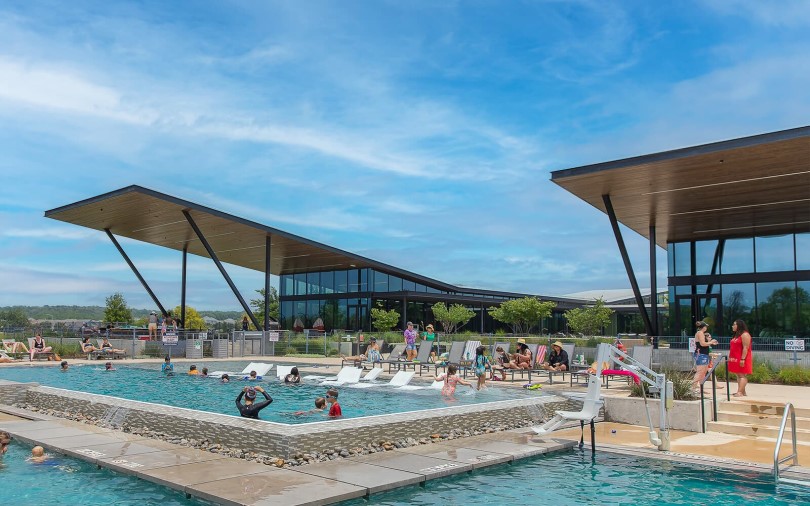
Easton Park Community, Austin, Texas
Amenities That Bring Neighbors Together
Great neighborhood design sets the stage, but amenities are what give people a reason to show up. Parks, trails, clubhouses, and gathering areas create the kind of shared experiences that turn good neighbors into great friends and a collection of homes into a genuinely friendly community.
Shared spaces do something that no single home feature can: they bring people together regularly and naturally. Community pools and gathering areas give residents a place to relax and socialize, while sports courts and dedicated dog parks keep things lively for both people and pets. These spaces are more than convenient. They build the kind of community network and support that makes people want to stay long-term.
Thoughtfully planned amenities also influence how livable a neighborhood feels. Access to parks, natural areas, and gathering spaces makes everyday life feel more enjoyable and gives residents more reasons to engage with the people around them, and that can make all the difference when choosing where to put down roots.

Safety, Schools, and Long-Term Value
When people evaluate what makes a neighborhood great, safety and schools are almost always at the top of the list (and for good reason!). The home itself is only part of the equation. The neighborhood it sits in and the schools nearby carry just as much weight in the final decision.
Safe streets, low crime rates, and well-lit common areas create an environment where families feel at ease and neighbors look out for one another. For parents, that sense of security is non-negotiable. For older adults and retirees, it’s equally important. Feeling safe in your neighborhood isn’t just a comfort. It’s a foundation for everything else that makes community life enjoyable.
Strong schools carry a similar weight. For families with children, school quality is often one of the first things researched when considering a new home. Even for buyers without kids, proximity to well-regarded schools tends to support property values and signal that a neighborhood is well-invested in its future.
These factors speak to something every buyer wants: a place that will continue to feel like a smart investment for years to come.
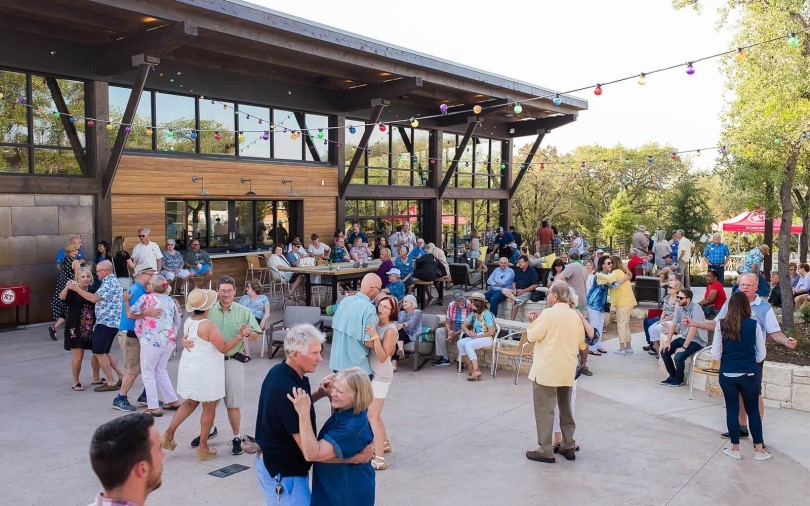
Kissing Tree Community, San Marcos, Texas
How Brookfield Residential Creates Welcoming Communities
Brookfield Residential has spent more than 70 years designing neighborhoods that feel great and building communities that deliver on all of it. From the placement of parks and trails to the design of streetscapes and shared spaces, every decision is made with the resident experience in mind.
Livable neighborhood design is at the core of how we approach every community. That means creating spaces where people want to spend time, fostering friendly communities where neighbors actually connect, and building in the amenities and community support systems that make daily life better long after move-in day.
Our communities are built for the long term, and so is our approach to design. The benefits of living in a thoughtfully planned community go far beyond the home itself, and everything we build reflects that commitment.
We work to create friendly, livable communities by starting with the people who will live there and designing everything around what makes their daily life better, more connected, and more enjoyable.
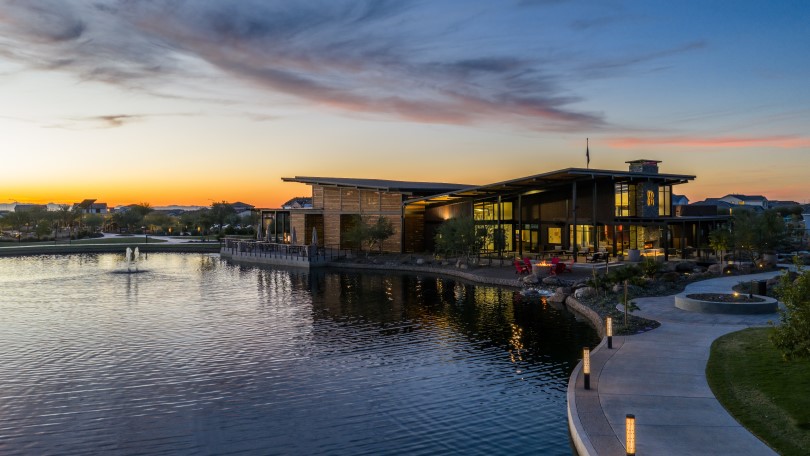
Blossom Rock Community, Apache Junction, Arizona
The qualities that make a neighborhood great go far beyond curb appeal or square footage. A neighborhood is more than a backdrop for your daily life. It’s the community you come home to, the people you run into on your morning walk, and the place where everyday moments turn into lasting memories.
Brookfield Residential believes that a great home starts with a great neighborhood. Every community we build is designed to make it easy to put down roots and even easier to call it home.
Ready to find yours? Explore Brookfield Residential communities designed to help you feel at home from day one.