
How Community Amenities Can Improve Everyday Living

This is the real value of community amenities. They shape daily life long after the listing photos are taken down. Parks, trails, fitness areas, and clubhouses shape how people spend time, connect with neighbors, and go about their day. When these features are planned well, they make life easier in ways homeowners notice long after moving in.
Most blogs stop at the general benefits of community amenities. This one goes further, looking at how these features show up in daily routines, and why that everyday impact matters more than the amenities themselves.
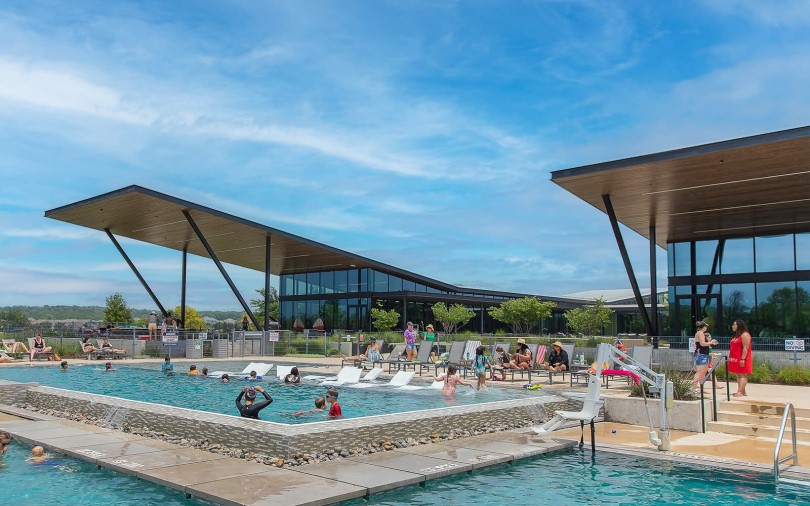
Easton Park Community, Austin, Texas
What Are Community Amenities and Why Do They Matter?
New home community features cover a wide range of amenities, from active spaces like sport courts, pools, and playgrounds to quieter spots like gardens and clubhouses. All are designed to support how residents spend their days.
They're different from basic neighborhood features like sidewalks or streetlights. Amenities are added to give homeowners more ways to move, gather, and relax close to home.
There’s also a difference between features that happen to exist nearby and amenities that were part of the plan from the start. A park a few miles away is a nice option. A trail system built into the layout of a new home community, connecting directly to homes and neighborhood parks, is something else entirely. That kind of intentional planning is common in master-planned communities, where amenities are treated as a core part of the neighborhood design rather than an afterthought.
These features shape whether a community still feels worth choosing years after move-in, influencing how often residents get outside, how easily they connect with neighbors, and how satisfied they feel in their home years down the road. When buyers are comparing communities, amenities deserve the same consideration as the floor plan, lot size, or price.

Barefoot Community, Firestone, Colorado
How Do Community Amenities Improve Everyday Living?
Amenities make the biggest difference when they show up in the small, repeated moments of daily life: a morning ride on the bike trail before work, a stop at the splash pad on a warm summer day, or an evening around the fire pit instead of driving somewhere to unwind. These aren’t rare occasions; they’re just part of the week.
Proximity is what makes this possible. The closer an amenity sits to home, the more likely it becomes part of an actual routine instead of a special outing. Outdoor living spaces make this kind of proximity matter: a pickleball court right around the corner turns weeknights into something different, and a dog park just steps from the front door makes mornings easier.
Amenities become meaningful once they blend seamlessly into a resident’s week, showing up in small moments instead of sitting unused. That’s what turns a house into a place someone genuinely enjoys coming home to, and it’s part of why community amenities do so much to create vibrant, connected neighborhoods.
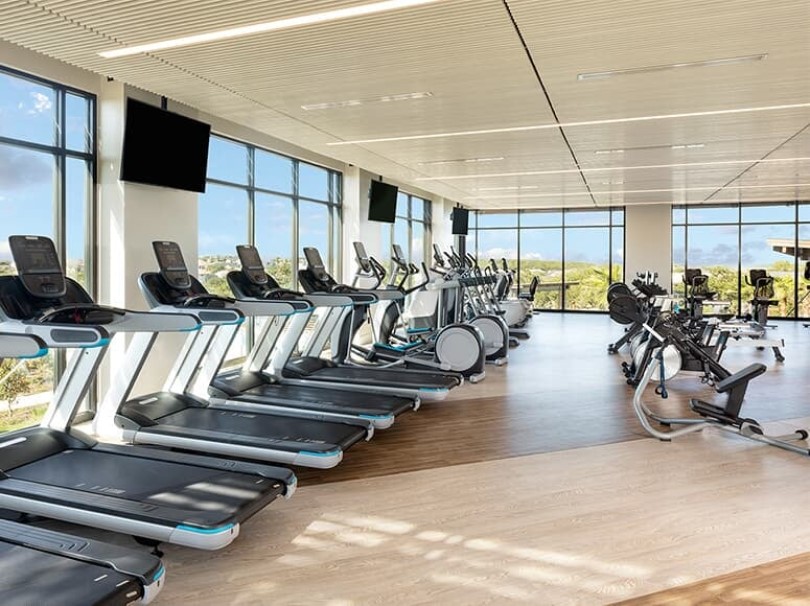
Kissing Tree Community, San Marcos, Texas
How Can Amenities Save Time and Make Daily Routines Easier?
Every small trip cut from the day adds up. When the clubhouse pool is a short walk away, there’s no need to pack up the car and drive across town. Having a community garden means you don’t have to swing by the store for herbs on the way home from work. Parks and trails near home eliminate extra trips entirely, giving residents more time back in their day.
That kind of convenience changes how a schedule feels, and it’s part of what turns work-life balance at home from an idea into something residents live day to day. Less time spent getting somewhere means more flexibility for the rest of the day, whether that’s an extra half hour of sleep, time for a hobby, or simply less rushing between obligations. For families juggling work, school, and everything in between, that flexibility can make the difference between a stressful day and a manageable one.
It's a big part of why amenity-rich communities appeal to buyers who value their time as much as their square footage. A shorter distance to the places and things residents actually use translates directly into a lower-stress, more efficient day.

Chinook Gate Community, Airdrie, Alberta
Do Community Amenities Help Support a More Active and Healthier Lifestyle?
Access changes behavior. A workout is easier to fit into the day when the sport court or fitness center is the next street over, and a walk around the neighborhood happens more often when the trail passes by your house rather than something to plan for. Convenience takes away the common excuse not to move. These fitness and recreation amenities matter most in the small, ordinary moments when they turn into something people actually use.
The benefits go beyond physical. Time outdoors, whether it’s a few laps in the pool or quiet time in the community garden, gives residents a chance to unwind and reset after a long day. Those kinds of small, regular breaks add up over time, supporting mental well-being alongside physical health.
There’s no strict routine or fitness goal required. It’s simply easier to stay active when the option is always within reach, and that ease helps create a habit that sticks.

New Haven Community, Ontario, California
How Do Community Amenities Help Build a Sense of Community?
Shared spaces create natural opportunities to connect. Whether it’s a conversation at the dog park, a wave from across the pickleball court, or a familiar face at the yoga lawn, these small interactions happen without any real effort because the setting already brings people together. These social spaces in neighborhoods give residents a reason to slow down and talk, even briefly, on an otherwise ordinary day.
Over time, those small moments build into something more. Neighbors become familiar, familiar becomes friendly, and a street full of strangers slowly turns into a neighborhood where people actually know and care about each other. These moments don’t require a planned event to happen. They show up on their own, simply because residents are out using the spaces around them.
Good community design makes room for connection instead of forcing it. Neighborhood amenities placed where people naturally pass through, like a clubhouse near the entrance or a trail that loops past several homes, give residents more chances to run into each other in the course of a typical week.

Chappelle Gardens, Edmonton, Alberta
What Should Homebuyers Look for in Community Amenities?
Not every amenity fits every household, so the best approach is to evaluate them the same way you would a floor plan or a lot: “Does this fit my life?” Start with accessibility and safety. A playground or dog park adds real value when it sits within walking distance on a safe, well-lit path, close enough to become part of a routine.
Look past how many amenities there are and think about which ones your household would actually use. A family with young kids might prioritize a splash pad and tot lot, while someone else prefers a fitness center or gathering space for hosting friends. The right community should offer a mix of amenities suited to different stages of life and different households, including family-friendly community features like playgrounds and event lawns that give kids and parents room to spend time together.
Maintenance and long-term upkeep are also worth asking about directly. Consistent care is what keeps an amenity valuable year after year, and knowing how that’s done is important before making a decision.
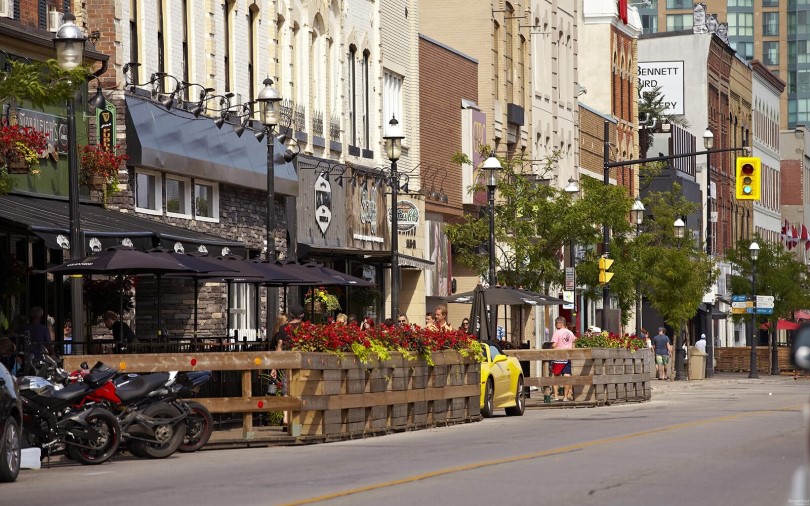
Heartland Community, Baxter, Ontario
Are Walkable Communities and Nearby Amenities Worth It?
A walkable community is built around more than sidewalks. It’s about layout: safe, connected pathways that put parks, trails, and gathering spots within easy reach of home, so getting there doesn’t require a car. When a neighborhood is designed this way, walking just becomes what people do.
That shift changes daily life in small but meaningful ways. Fewer short car trips, more spontaneous walks, and easier access to the places residents use most. Over time, this adds up to a lifestyle that feels less scheduled and more natural, since getting outside doesn’t require planning around traffic or parking. This kind of convenience in planned communities is what makes walkability such a sought-after feature for today’s buyers.
Anyone evaluating a potential neighborhood should pay attention to how a community is laid out and how well the amenities fit.
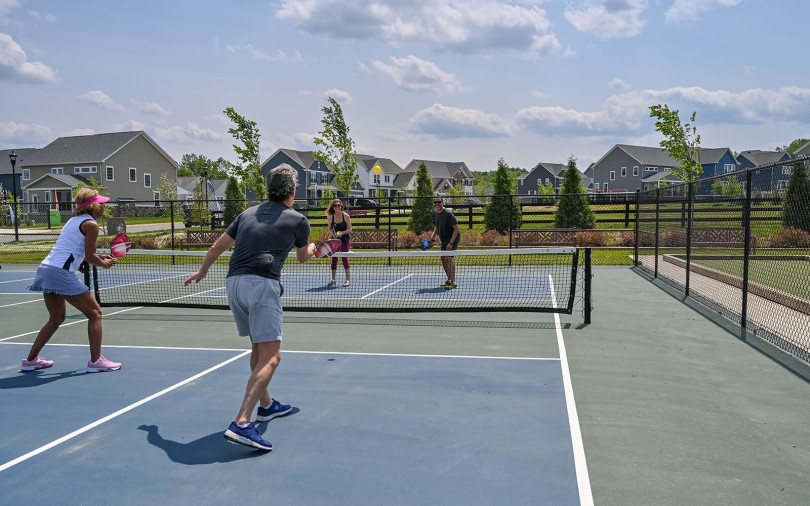
Cascades at Embrey Mill Community, Stafford, Virginia
Do Community Amenities Increase Home Value Over Time?
Well-maintained amenities tend to attract more buyer interest, and that interest can support sustained demand for homes in that community. Features like resort-style pools, trails, and event spaces make a neighborhood more desirable, which naturally plays into how the market views it over time.
That said, the real value of amenities comes from the everyday experience of living there. Any impact on home value grows out of something simpler: residents actually using and enjoying the community they’re part of. A pool or fire pit raises property values because people use it, week after week, year after year, not because of the feature itself.
For buyers, that’s worth keeping in mind alongside price and location, since amenities can shape both how much a home is loved and how much it’s worth.
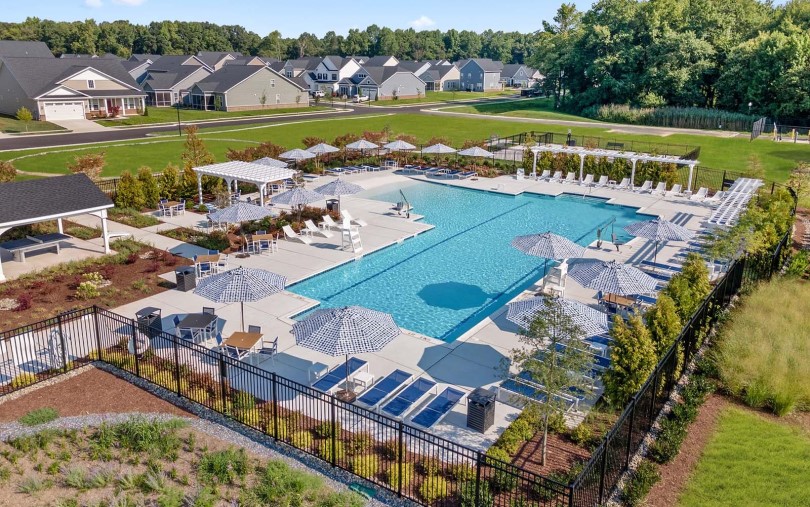
Lakeside at Trappe Community, Trappe, Maryland
How to Choose a Community That Fits Your Lifestyle
The right community starts with an honest look at daily habits. Someone who walks every morning will value a neighborhood built around trails. A family with young kids will lean toward playgrounds and pools close to home. Someone who works from home most days might prioritize a fitness center or a quiet outdoor space to take a break between meetings.
It's also worth thinking past today. A growing family, a more active retirement, or simply wanting more reasons to spend time outside are all things worth factoring into the decision. The community lifestyle benefits that matter most will look different for everyone, but they all come down to the same question: does daily life here feel like the one you want?
One helpful exercise: picture an average day in a potential home. Where would that morning walk happen? Where would the kids play after school? Where would weekend mornings be spent? The answers tend to point toward which lifestyle communities fit, and which ones just look good on paper.
Amenities and daily life come full circle here. A community becomes the framework for how life actually gets lived, day after day, year after year.
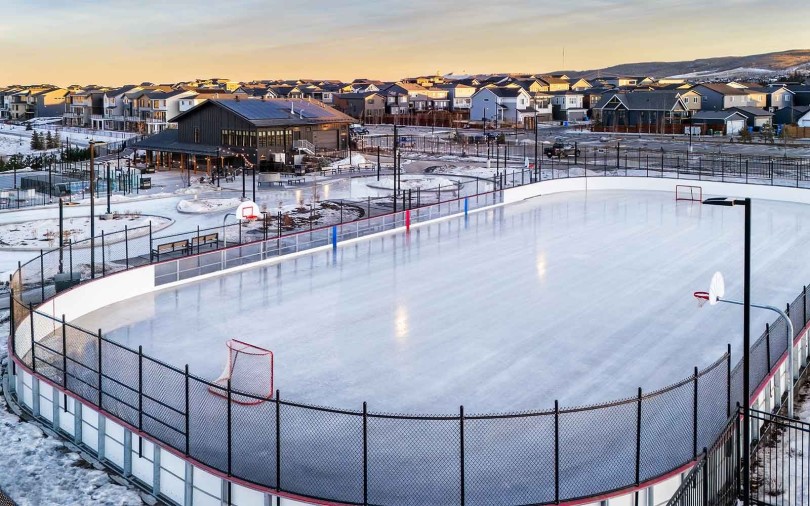
Rockland Park Community, Calgary, Alberta
How Brookfield Residential Designs Communities for Everyday Living
We design our communities with everyday life in mind, curb appeal included but never the whole story. Every trail, pool, and gathering space is placed with intention, close enough to homes that it becomes part of a resident’s routine rather than an occasional destination.
Walkability plays a central role in that approach. We plan layouts so parks, playgrounds, and fitness spaces sit within easy reach, making it simple to step outside and use them without needing to get in the car. Accessibility isn’t an afterthought; it’s built into how each neighborhood comes together from the start.
We also tailor amenities to the region and the people who will actually live there. A community built around a lake might include a fishing dock, while another designed for a colder climate might feature a skating rink or toboggan hill. This regional thinking means every neighborhood reflects the people and place it was built for.
Beyond the layout, we think about how residents will spend their time in the spaces we design. Fire pits, pools, and community gardens are placed where people naturally gather, giving neighbors real reasons to cross paths and get to know each other. It’s part of how we think about livability at every stage of a community’s design.
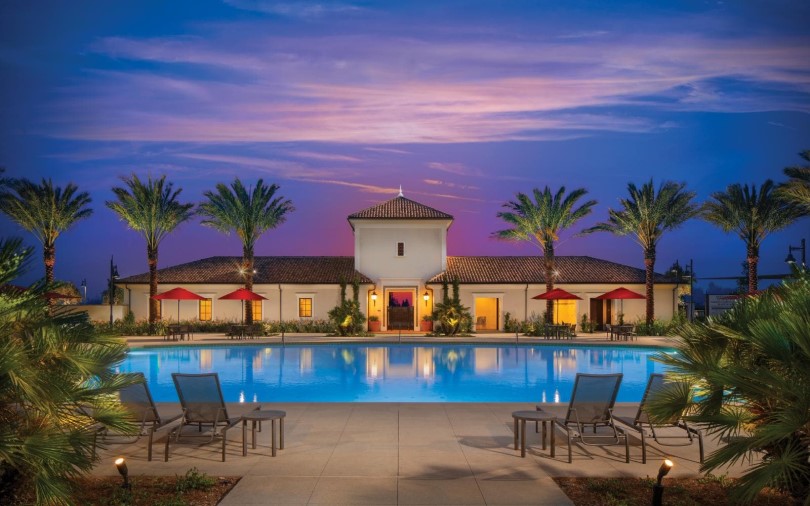
Orchard Hills Community, Irvine, California
Bringing Everyday Life Home
Community amenities shape more than a listing description. They shape mornings, evenings, and the small moments in between, turning a neighborhood into somewhere residents genuinely enjoy spending their time. The right amenities save time, support healthier routines, and create everyday opportunities to connect with neighbors, all of which add up to a better quality of life over the long run.
Choosing a community means thinking beyond square foot and floor plans. It means picturing daily life there: the walks, the pool days, the evenings by the fire pit, and everything that makes a place feel like home.
Explore Brookfield Residential communities to see how thoughtfully designed amenities can support the way you actually want to live, every single day.