
How to Design Your New Home’s Outdoor Space

It’s more than just a patch of grass or a patio—it's an opportunity to create an extension of your home that reflects your personality, supports your lifestyle, and offers a daily dose of fresh air.
Whether you’re imagining lively summer barbecues under string lights, a peaceful retreat for your morning coffee, or a vibrant garden filled with color and life, your outdoor space can become whatever you need it to be. To make it truly yours, a little bit of planning goes a long way.
From layout and landscaping to personal touches that bring it all together, here are the key steps to designing the outdoor space of your dreams.
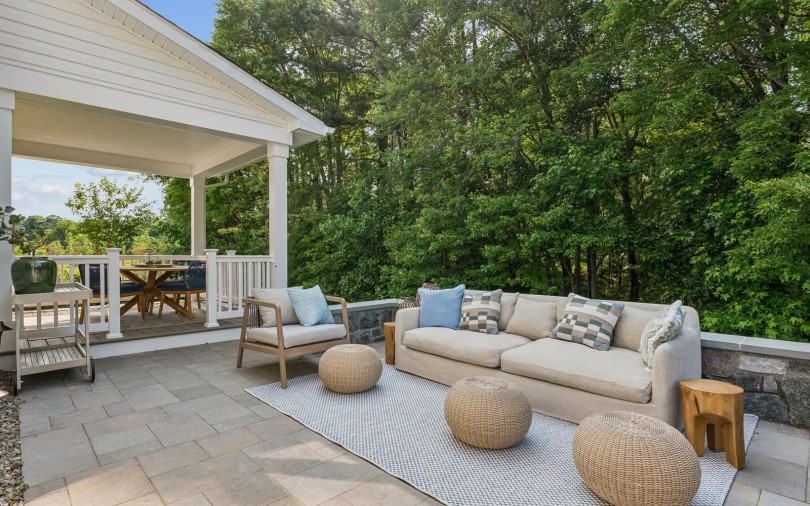
1. Get a Lay of the Land
Before you dig in (literally or figuratively), it’s important to take a step back and observe your outdoor space. This first phase is all about understanding what you’re working with so you can make the most of it.
Start by watching how the sunlight moves across your yard throughout the day. Where are the shaded corners, and which areas get full sun? Take note of any open areas that may be prone to breezes or spots where water tends to pool after rain. These observations can help guide plant placement and furniture layout down the road.
Next, consider your home’s orientation. South- or west-facing yards typically receive the most direct sunlight, which is great for gardens but may require added shade for comfort. East-facing areas tend to be ideal for morning sun and cooler afternoon lounging.
While this process may not be as exciting as shopping for patio furniture, it’s an important first step in creating a space that functions beautifully as well as saving you time, money, and frustration down the road.
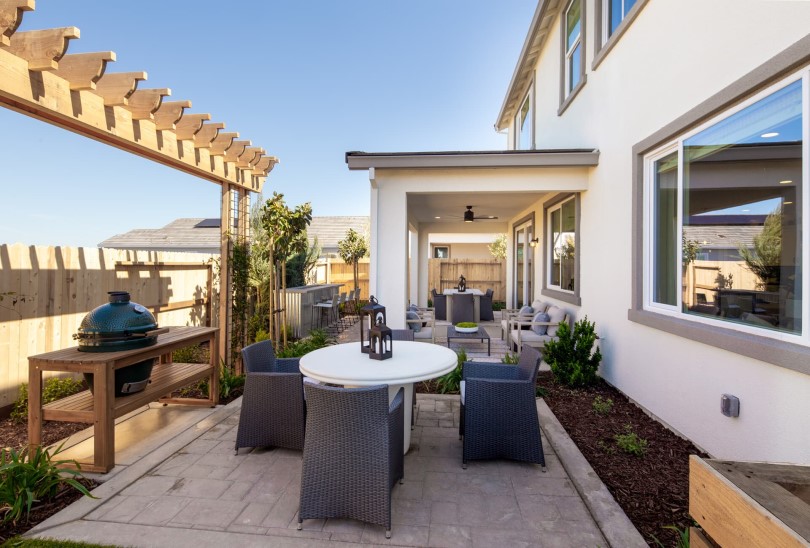
Residence 4 Floor Plan, Tesoro Neighborhood, Amoruso Ranch Community, Amoruso Ranch, California
2. Consider How You’ll Use the Space
Take a minute and think about how you want your backyard to function and how your household will actually use the space.
Do you envision your yard as the go-to gathering spot for weekend barbecues and summer celebrations? If so, you might prioritize a spacious dining area, an outdoor kitchen, or plenty of seating for guests. Or maybe you’re craving a peaceful retreat where you can read a book, meditate, or simply sip your morning coffee surrounded by greenery.
You might want a fire pit where you and your partner can unwind with a glass of wine after the chaos of the day has subsided. Or maybe you're picturing a safe, open space where your children (or pets!) can run and play freely while still being in view.
Think of your outdoor space as a series of movement and rest zones: Where do you want to encourage activity—like games, gardening, or grilling—and where should things slow down for relaxation and connection?
By thinking through how you’ll actually live in your outdoor space, you can prioritize features that support those experiences and avoid spending money on areas or elements that won’t get much use.
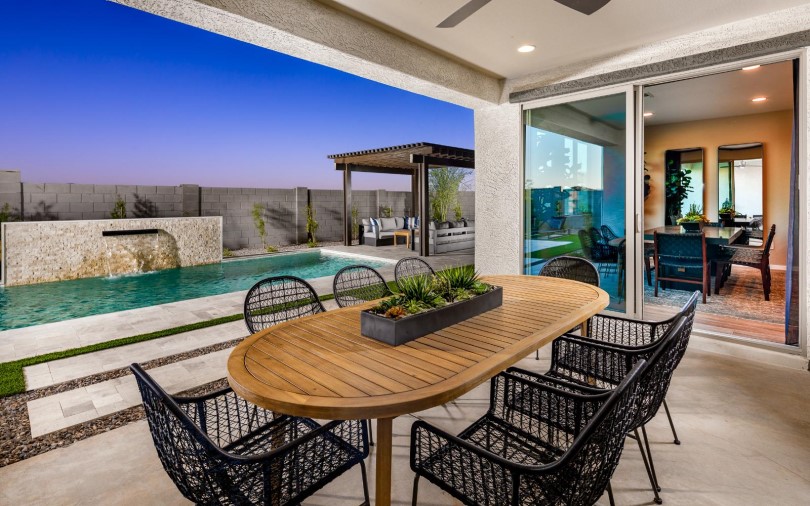
Solstice Floor Plan, Mariposa Collection, Blossom Rock Community, Apache Junction, Arizona
3. Map Out the Basics
Make a rough sketch of your yard’s layout. You’ll want to notate the areas that receive full sun, partial sun, water access, and any natural slopes.
Then, add in your design ideas. Just like the interior of your home, your yard benefits from defined zones:
- Dining area: Include plenty of room for tables and chairs
- Lounge area: Consider comfortable seating, an outdoor rug, and string lights
- Green space: Leave room for grass or gardens
- Utility zone: Designate areas for trash bins or storage sheds
The goal is to create areas that are distinct but cohesive: somewhere to eat, somewhere to play, and somewhere to relax.
Finally, consider how your yard’s layout and your design ideas fit together. If your dining area has a lot of sun, consider a pergola or umbrella for shade. If you have a hose bib, don’t plan for storage that may block access to it.
Don’t worry. You don’t have to be super artistic to map out your yard. Even if it’s just a doodle with some labels, it can help guide your decision-making.
Pro Tip: Embrace a transitional mindset. Don’t put too much pressure on yourself to design the perfect yard on the first try. In fact, leaving a little wiggle room for how your lifestyle might evolve is one of the smartest moves you can make. Go ahead and build in that sandbox for the kids—once they grow out of it, you can convert it into a raised garden bed or a cozy fire pit area.

Rouge Walkout with Rooftop Floor Plan, Townhomes Collection, Crown Park Community, Calgary, Alberta
4. Plan Your Budget and Timeline
It’s natural to want your outdoor space to be picture-perfect right away. Just like your home’s interior, your yard doesn’t have to be finished all at once. One of the smartest strategies is to plan for phased completion—tackling your yard in stages as time, budget, and priorities allow.
Completing your yard in steps not only helps spread out the cost, but also gives you time to live in the space and better understand how you’ll use it.
When it comes to budgeting, a general rule of thumb is to allocate about 10% of your home’s value toward landscaping. This recommendation doesn’t mean you need to invest that full amount upfront. Instead, consider a long-term strategy broken into manageable stages. Here’s what that might look like:
Phase 1: Foundation + Function
In this phase, focus on the must-haves:
- Grading and drainage
- Hardscape features (patios, walkways, fencing, retaining walls, etc.)
- Irrigation systems, gas or electrical lines, and water access points
- Lawn installation or initial ground cover to reduce erosion
These elements are the groundwork for everything else and should be tackled early on, as they are less likely to need modification in the future.
Phase 2: Structure + Shade
Once the basics are in, move on to:
- Planting trees, shrubs, and privacy hedges
- Building out pergolas, shade sails, or other structures
- Installing lights for safety and ambiance
- Creating defined areas for dining, lounging, recreation, or gardening
This is the phase where your yard begins to take shape and feels livable, even if it’s not fully finished yet.
Phase 3: Personalization + Enhancement
With the framework in place, now comes the fun:
- Styling your outdoor living areas (furniture, rugs, pillows, décor)
- Adding flower beds, potted plants, or vegetables to your garden
- Installing water features, fire pits, or outdoor kitchens
- Integrating tech (smart irrigation, outdoor speakers, etc.)
If your budget allows, a landscape architect can be a worthwhile investment. They can help you map out this phased approach with a visual plan, plant list, and recommendations for timing.
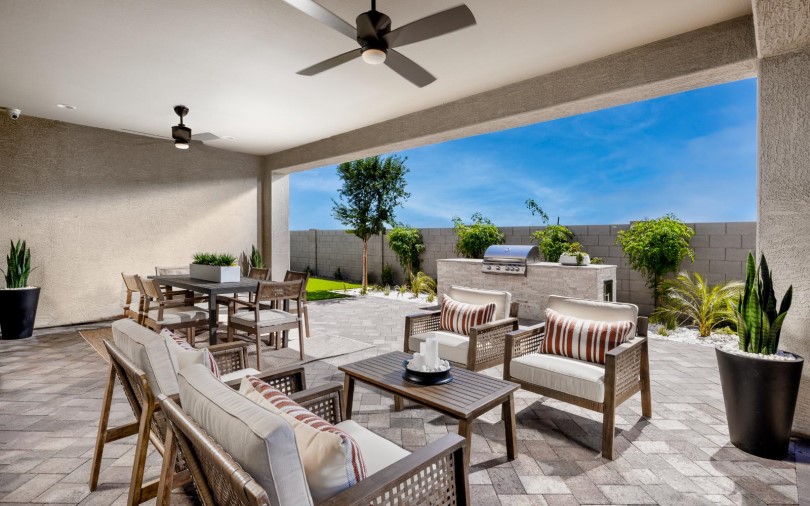
Laredo Floor Plan, Laurel Collection, Blossom Rock Community, Apache Junction, Arizona
5. Laying the Groundwork
With your plan in place, it’s time to bring your vision to life. In most cases, installation follows a natural sequence where you start with the heavy lifting and end with the personal touches.
Start with Hardscaping
Begin with structural elements like patios, walkways, decks, retaining walls, or built-in seating. These form the backbone of your yard and establish flow and functionality. Since hardscape elements rarely change once installed, getting these right the first time is key.
Install Irrigation Early
Next, lay out your irrigation system while the ground is still accessible. Drip irrigation is especially effective as it delivers water directly to plant roots and reduces waste. It’s also easier to manage than sprinklers and ideal for drought-conscious landscaping.
Add Plants Thoughtfully
Then, it’s time to put in your plants. While it’s tempting to choose plants just because they’re pretty, think long term—how they’ll grow, change with the seasons, and impact your space over time. For year-round color, incorporate plants that bloom at different times of the year. If you're big on hosting, consider fragrant or flowering plants near patios to enhance the experience.
Be strategic with tree placement near your home. As a general guideline, avoid planting large trees closer to your house than their expected mature height (e.g., a tree that grows to 20 feet tall should be planted at least 20 feet away from the foundation). Doing so helps prevent root damage down the line.
Be Patient with Progress
Even with a solid plan and expert execution, landscaping takes time to settle and mature. Don’t be discouraged if your yard doesn’t feel “finished” right away. Plants need time to grow, and the overall space will evolve over time—just like the rest of your home.
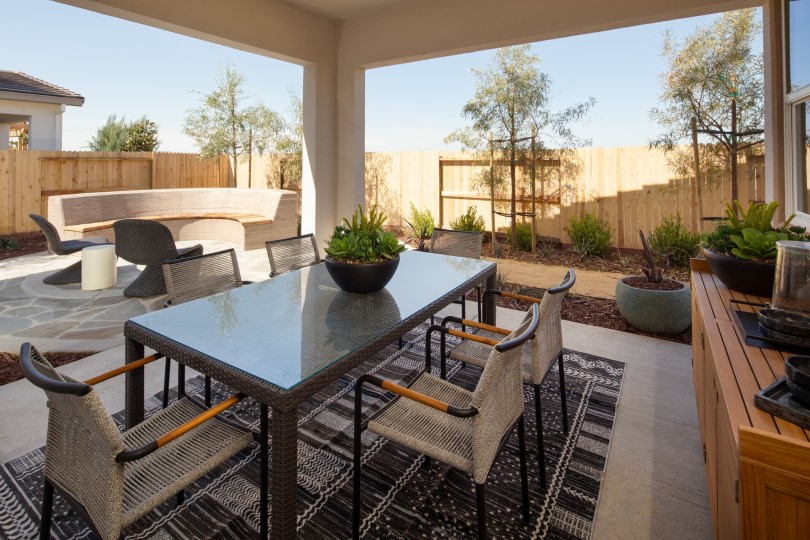
Residence 1 Floor Plan, Tesoro Neighborhood, Amoruso Ranch Community, Amoruso Ranch, California
6. Make it Yours
With the foundation of your yard in place, it’s time to bring your outdoor space to life by infusing it with comfort, personality, and the kind of thoughtful design that makes it truly feel like home.
Style with Purpose and Personality
Once your zones for dining, lounging, and play are mapped out, it’s all about enhancing them with furniture and finishes that suit your lifestyle. Use outdoor rugs to anchor each space, select durable patio furniture, and layer in lighting for a welcoming ambiance from day to night.
Scaled-down sectionals and bistro tables work beautifully in smaller footprints, while larger yards may allow for distinct zones—think outdoor kitchens, fire pits, or lounge areas under a pergola.
Focus on the Finishing Touches
Never underestimate the power of finishing touches. Add warmth and color with throw pillows, potted plants, and outdoor curtains. String lights or a statement pendant can transform a basic patio into an inviting retreat—perfect for casual evenings or full-blown backyard parties.
Don’t forget the practical side of styling. Multi-functional pieces like storage benches or coffee tables with built-in compartments help you stay organized while maximizing comfort and utility.
Grow What You Love
Whether you’re an aspiring gardener or just love the look of greenery, adding life through plants is a great way to personalize your space. Start simple with a container herb garden, a small veggie bed, or a few pollinator-friendly blooms that attract butterflies and bees.
If you prefer something low-maintenance, native and drought-tolerant plants are beautiful, resilient, and ideal for homeowners who want to spend more time relaxing than weeding.
Not sure where to begin? Our guide on How to Start a Backyard Garden offers practical tips and tricks for starting your backyard or small-space garden.
Let Your Space Evolve with You
Your outdoor space doesn’t need to be one-and-done. Refresh your décor with the seasons, change out planters or pillows, or rearrange your furniture as your needs shift. Just like the inside of your home, this space should grow and change with you.
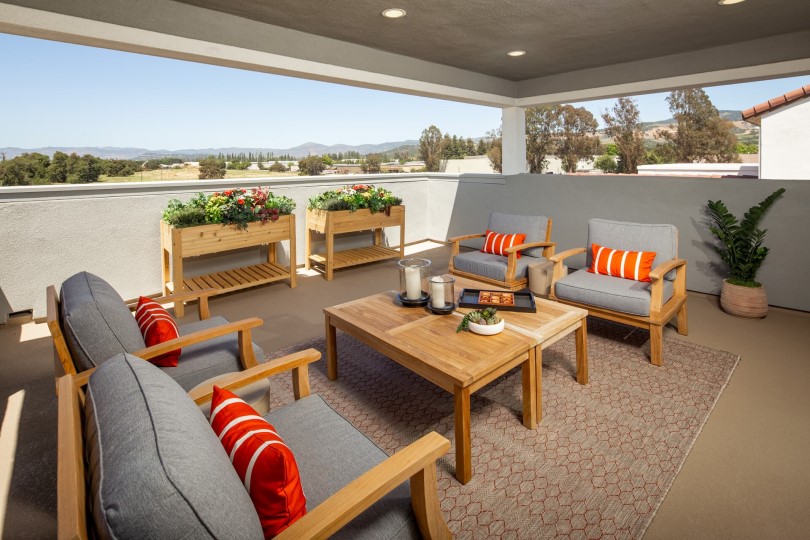
Residence 2 Floor Plan, Patina Neighborhood, Napa RiverSound Community, Napa, California
Now that your outdoor space is styled to perfection, why not put it to good use? Check out our blog on How to Host an Unforgettable Summer Party and start making the most of your new outdoor space.
Creating the perfect backyard space starts with the right home. Let us help you find your new home where you can create your ideal outdoor oasis from the ground up. We’ll be expecting you!