
10 Tips for a Stress-Free Move

Between the endless rolls of tape, stacks of boxes, and that one mysterious drawer full of random stuff we all pretend doesn’t exist, it can feel a little overwhelming!
The good news? Moving doesn’t have to be a chaotic scramble. With a little planning, smart packing, and a few tricks, you can keep the stress of moving in check and maybe even have some fun along the way.
We’ve put together our top tips to make your move easier, more organized, and a whole lot smoother so you can focus on the best part: turning your new house into a home.
1. Make a plan
The earlier you start planning, the smoother your move will be. Start by setting a budget. Moving expenses can add up quickly, so having a ballpark of how much you want to spend is crucial. You’ll want to price out the physical items you’ll need, like boxes, packing, tape, and bubble wrap, as well as services like hiring movers.
Then, decide on your moving method: do you need a portable storage container, will you rent a truck, or is it worth it to hire full-service movers? You’ll want to compare the cost of each method and ensure it fits within your budget.
Next, create a timeline. Your moving date is likely set, so work backwards to determine when you need to transfer utilities, reserve movers or trucks, and start packing. Remember: packing always takes longer than you think. Aim to start at least two to three weeks before moving day, beginning with non-essentials like décor or seasonal items, and work your way to daily essentials as the big day approaches.
2. Declutter before you pack
Time and energy are valuable when you’re moving, so don’t waste any packing things you don’t really need. Before you even pull out the boxes, go through your belongings and get rid of anything you no longer need or use.
Donate gently used goods to local charities, sell valuable items on OfferUp or Facebook Marketplace, and recycle or responsibly dispose of what’s left. The less you move, the easier (and cheaper) your move will be, and you won’t be unpacking boxes of “why did I keep this?” items later.
3. Get the right supplies
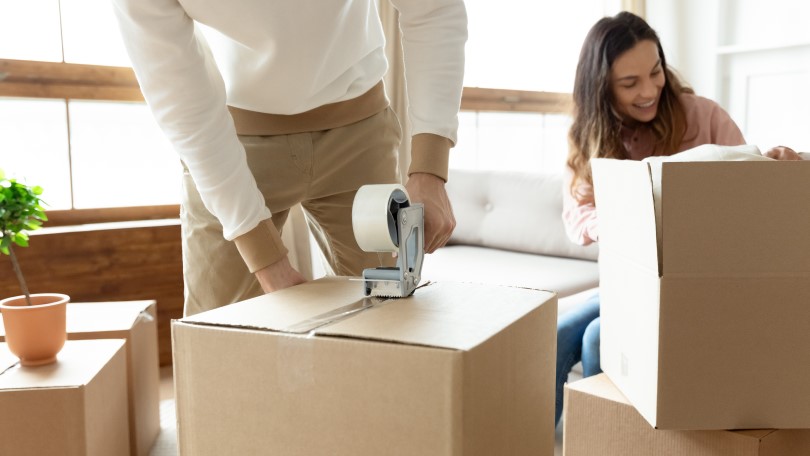
A smooth move starts with the right tools. Stock up on essentials like sturdy boxes, packing tape, and bubble wrap, but don’t forget the extras:
- Packing paper
- Plastic wrap
- Plastic baggies
- Labels
- Box dividers
- Moving blankets
- Cargo straps
Pro tip: Many companies now rent reusable plastic moving bins as a more eco-friendly and cost-effective option than buying new boxes.
4. Label smarter, not harder
The most common way to label your boxes is with the contents and the room they belong to. While this is a fine approach, it may get tricky if your new home has a different layout or more rooms. Instead, try labeling by category (linens, books, electronics) or use a color-coded system with stickers or tape.
Keep a simple inventory list on your phone so you know exactly what’s in each box without having to play the “mystery box” game when you’re exhausted and just need a set of sheets.
5. Pack a moving day essentials kit
Think of this as your “first night” bag. Include toiletries, a change of clothes, medications, phone chargers, snacks, and basic cleaning supplies like paper towels and multi-surface spray. If you have kids or pets, pack their comfort items (favorite toys, blankets, or treats) so they can settle in quickly.
6. Hire a reputable moving company
If you’re using professional movers, research them carefully. Get at least three quotes, check reviews, and confirm that the company is licensed and insured. Don’t be afraid to ask about extra fees (like for stairs, heavy items, or long carry distances) so you’re not surprised on moving day.
7. Notify important parties early
Make a list of everyone who needs your new address and update them before moving day. If you need to take any time off work, put in your request early. Some important parties and utilities to update may include:
- Water
- Electricity
- Internet and Cable
- Gas
- Insurance providers
- Home security system
- Bank and Credit Cards
- Post Office for mail forwarding
- Subscription boxes (groceries, clothing, pet supplies, etc.)
- Ongoing maintenance services (pest control, gardener, pool service, etc.)
You’ll also want to update your address for any deliveries because nothing’s worse than placing an order and realizing it went to your old address.
8. Protect electronics and fragile items
Opening a box of miscellaneous electronics and tangled cables may add to your stress. Before unplugging everything, snap a quick photo of the cords so you know exactly where everything plugs in later. Store the cords in labeled baggies and tape them to the device (because nobody enjoys a round of “which cord belongs where?”) so it’s easier to reconnect everything in your new home.
Wrap the devices and other fragile items in bubble wrap, towels, or blankets to better protect them during the move. Pack plates vertically instead of stacking them flat, where they’re more likely to crack under additional weight. Label at least three sides of the box with “fragile” so movers (or yourself) see it no matter how it’s stacked.
Check whether your moving company offers valuation coverage or if your homeowners/renters insurance applies during the move. Having this information beforehand is helpful so you’re not scrambling for a solution if something is damaged.
9. Make a plan for your pets
Moving day can be stressful for pets, too! With all the noise, strangers, and unfamiliar smells, it’s easy for them to feel overwhelmed.
- Update ID tags and microchips with your new address and phone number before moving day.
- Pack a pet essentials kit with food, bowls, leashes, toys, medications, and bedding so they feel at home right away.
- Arrange for a pet sitter or daycare during the busiest hours of the move. This keeps them out of harm’s way while movers are coming in and out.
- Ease them into their new space. Start by setting up one quiet room with their familiar items, then gradually let them explore the rest of the home once things have settled down.
10. Keep important items close
Some things are too valuable to risk losing in a moving truck or getting buried at the bottom of a box. Keep any important documents in a separate folder or binder that will stay close to you during the move. You may want to include passports, birth and marriage certificates, social security cards, your car’s title, and any home-related documents. Back them up digitally for extra peace of mind.

Moving may always come with a little bit of chaos, but it doesn’t have to be overwhelming or unmanageable. By planning ahead, decluttering, and keeping the essentials within reach, you’ll set yourself up for success. When moving day arrives, take lots of breaks, keep snacks nearby, and treat yourself to something that makes you smile.
With these tips, moving day can feel like less of a chore and more like the exciting fresh start it’s meant to be.
Looking for more? Check out A Parent’s Guide to Moving with Children and 10 Tips for Getting to Know Your Neighbors for even more advice on creating a smooth move and making friends in your new community.
Explore where we build and connect with our sales team when you’re ready to learn more. We’ll be expecting you!