
How Walkable Communities in San Bernardino County Improve Quality of Life

Those questions reflect a change in how people want to live. Walkability has become one of the most sought-after qualities in a neighborhood, and for good reason. In San Bernardino County, where thoughtfully planned communities are raising the bar for suburban living, it's also increasingly within reach. Walkable neighborhoods aren't just a lifestyle preference. They're an investment in health, connection, and everyday convenience.
In this blog, we’ll take a closer look at what makes a community truly walkable, why it matters for your daily life, and how San Bernardino County is becoming one of the best places in Southern California to experience it firsthand.
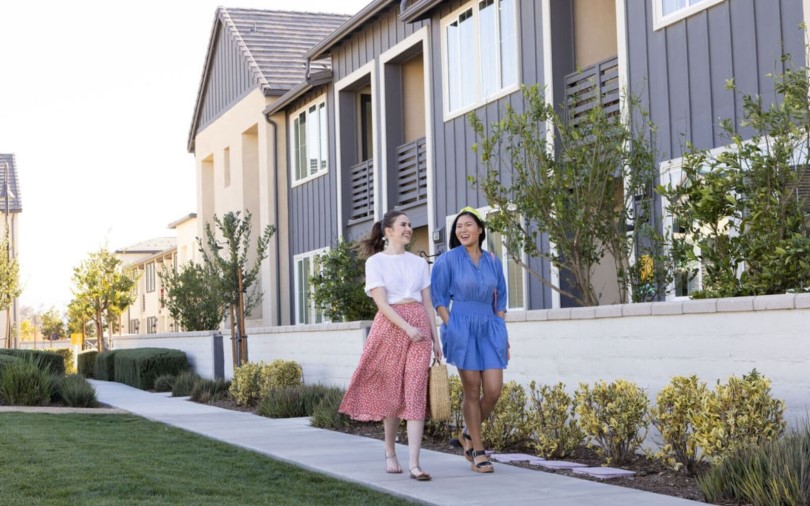
New Haven Community, Ontario, California
What Makes a Community Walkable?
Walkability is more than just having sidewalks (though those matter too). A truly walkable neighborhood is designed so that residents can comfortably access everyday destinations on foot: parks, shops, schools, and transit.
That means well-connected streets, mixed land uses, reduced traffic speeds, and infrastructure that makes pedestrian movement feel safe and natural. The goal isn't to eliminate cars entirely — it's to make walking a genuinely convenient option for everyday life.
Walk Score is one commonly used measure, rating neighborhoods based on proximity to grocery stores, parks, schools, and more. But the best walkable communities share something beyond any single number: they're easy to navigate, rich with destinations, and designed so that choosing to walk just makes sense.
Curious about what to look for specifically? We break it all down in our guide on What to Look for in a Walkable Neighborhood.
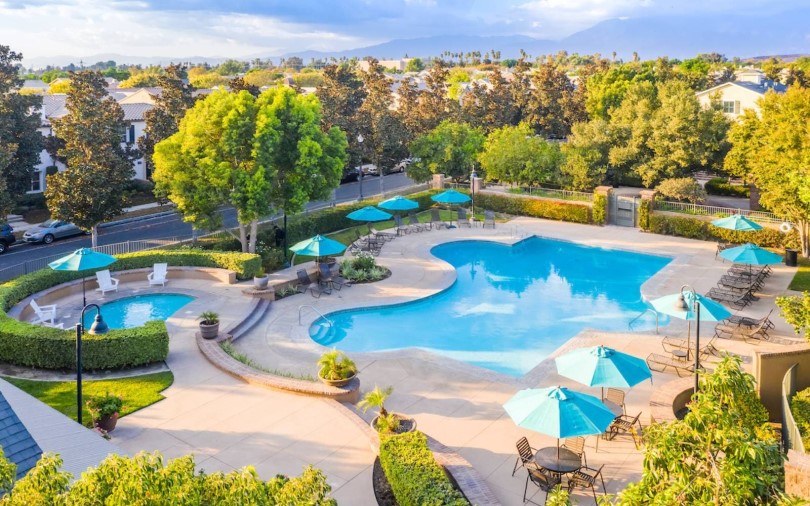
Edenglen Community, Ontario, California
The Benefits of Walkable Neighborhoods
Walkable neighborhoods support better physical health, stronger social connections, and greater everyday convenience. For residents, those things tend to add up to something bigger: a noticeably higher quality of life.
Physical Health
In a walkable community, staying active doesn't require a gym membership or a packed schedule. Movement becomes a natural part of the day: a morning walk to the coffee shop, an after-dinner stroll around the block, a quick trip on foot to run errands. Those small moments add up more than most people realize.
Research consistently links walkable environments to higher levels of daily activity and better long-term health outcomes. Residents in walkable neighborhoods tend to walk more overall, which supports cardiovascular health, helps manage weight, and contributes to better sleep and energy levels. It's the kind of physical benefit that comes not from discipline or effort, but simply from living in a place that makes movement the easy choice.
Mental Health and Social Connection
Walkability does something quieter, too. When people move through shared spaces on foot, chance encounters happen naturally. Neighbors meet. Kids play outside. A sense of community builds over time without anyone having to organize it. That kind of connection has real mental health value, reducing feelings of isolation and fostering a genuine sense of belonging.
Studies show that people in walkable neighborhoods report lower levels of stress and higher overall life satisfaction. Part of that comes from the physical act of walking itself, which is known to reduce cortisol levels and support emotional well-being. But a lot of it comes from the social interaction that walkable design quietly encourages: the chance encounters, shared spaces, and everyday moments that build social health over time. When a neighborhood is designed for people first, community tends to follow naturally.
Everyday Convenience
Walkability also just makes daily life easier. When the things you need are close by and accessible on foot, less time goes to small errands and more time remains for the things that matter. Having parks, schools, and services within walking distance can genuinely change the rhythm of a week. That's especially true for families, who tend to feel the benefits of walkable living most in the rhythms of everyday life.
Are walkable communities better for families?
For many families, yes. Safe streets, nearby parks, and schools within walking distance give kids more independence and parents more peace of mind. Walkable communities also make it easier to stay active together as a family, without needing to plan a special outing to do it.
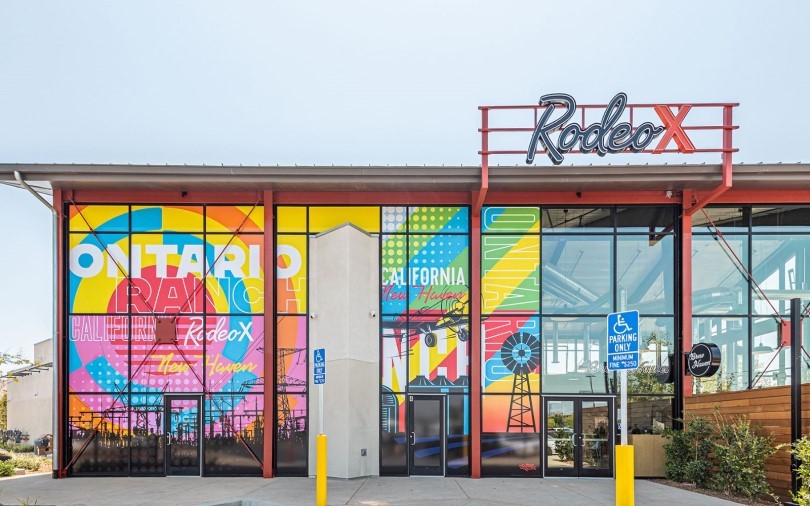
New Haven Community, Ontario, California
Walkability, Sustainability, and Less Time in the Car
The benefits of walkable neighborhoods go beyond daily convenience. Walkable design also influences how communities function over time, from environmental impact to long-term cost savings. When residents can handle daily tasks on foot or via public transportation, fewer cars are on the road. That means cleaner air, less congestion, and a lighter footprint overall.
Access to public transit strengthens that picture further. In communities where walking connects naturally to transit options, getting around doesn't have to revolve around a personal vehicle. For buyers thinking about long-term sustainability, both for the planet and for their own finances, that's a meaningful benefit.
The financial benefits are just as real. Households in walkable neighborhoods tend to spend less on transportation overall, whether that's fewer car trips, reduced fuel costs, or simply less wear on a vehicle. Over time, that adds up. Beyond the personal savings, walkable communities tend to support stronger local economies, with residents more likely to shop nearby, frequent local businesses, and keep spending close to home. It's a model that's good for the neighborhood and good for the people living in it.
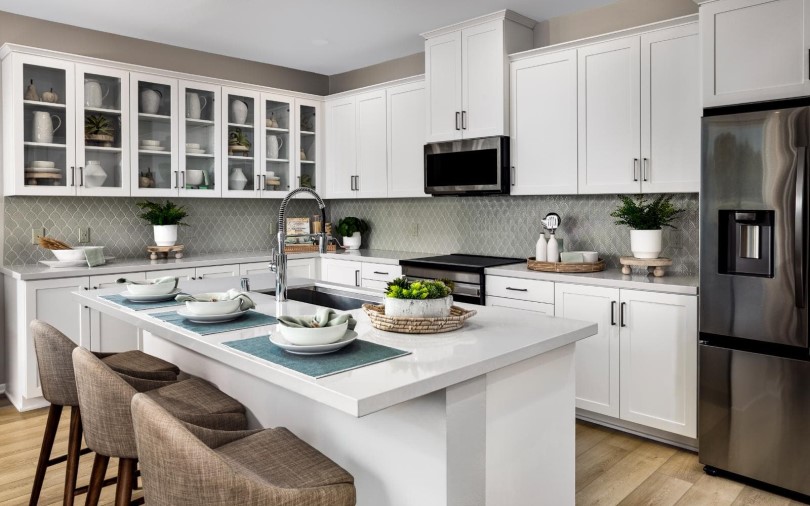
Plan 3, Bloom Collection, Edenglen Community, Ontario, California
Why Walkability Matters in San Bernardino County
San Bernardino County has grown significantly in recent years, and the communities being built here reflect a more intentional approach to how people want to live. Buyers aren't just looking for space. They want access to the outdoors, proximity to everyday conveniences, and neighborhoods that feel genuinely connected.
The region has a lot working in its favor. The climate alone makes walking a genuinely pleasant option for much of the year, and the surrounding landscape, from the San Gabriel Mountains to the wide-open stretches of the Inland Empire, gives residents a natural backdrop that few suburban areas in Southern California can match. Parks, trails, and open space aren't an afterthought here. They're part of what makes the area appealing in the first place.
That outdoor orientation pairs naturally with walkable community design. The Inland Empire has long been known for its space and affordability, but what's changed is the level of intentionality behind how new communities are being planned. Walkable design, mixed-use development, and pedestrian-friendly infrastructure are no longer reserved for dense urban cores. They're showing up in suburban settings in ways that are reshaping everyday life for residents and contributing to stronger public health outcomes across the region.
When neighborhoods are built to encourage movement and connection, they complement the lifestyle the region already supports. Residents get the best of both: a well-planned neighborhood close to home and easy access to the broader natural environment just beyond it.
Master-planned communities in the area are responding to exactly that demand. For buyers investing in a home here, walkability isn't a bonus feature. It's a long-term quality-of-life advantage that pays off every day.

New Haven Community, Ontario, California
The Brookfield Residential Difference
At Brookfield Residential, walkability is built into the way we think about community from the start. Our communities in San Bernardino County are designed with the understanding that a great neighborhood invites people to move through it, not just drive past it.
That shows up in the details: connected sidewalks and pedestrian-friendly streetscapes, trails that link homes to parks and open spaces, and amenities positioned so that living actively feels like a natural outcome rather than something you have to seek out. Well-lit streets, shaded paths, and community gathering spaces that encourage spontaneous connection and make a neighborhood feel like home.
Whether you're a family looking for safe streets and room to explore, a professional who values a well-connected neighborhood, or someone planning for a lifestyle that holds up over time, our communities are designed to support the kind of healthy lifestyle living that makes every day feel a little more rewarding.
Experience Walkable Living in San Bernardino County
A walkable neighborhood offers something genuinely hard to put a price on: a daily environment that supports your health, your relationships, and a more sustainable way of living. The best part is that it doesn't ask much of you. The design does the work, making it easy to move more, connect more, and rely a little less on the car. In San Bernardino County, that kind of community is closer than you might think.
Explore Brookfield Residential's walkable communities in San Bernardino County and see what a more connected lifestyle looks like.