
New vs. Resale: Which Home is Right for You?

If you’re new to the homebuying process, an important question you don’t want to overlook is: Should I buy a new construction home or a resale one?
Both options have their own advantages, and the right decision depends on your priorities, lifestyle, timeline, and long-term goals. A brand-new home may offer modern design, lower home maintenance costs, and better energy efficiency, while older homes for sale may appeal more to buyers who want an established neighborhood or have a quicker move-in timeframe.
At Brookfield Residential, we believe that informed buyers make more confident decisions. In this blog, we’ll explore the differences between new construction vs. existing homes across the factors that matter most, so you can choose the option that best fits your vision of homeownership.
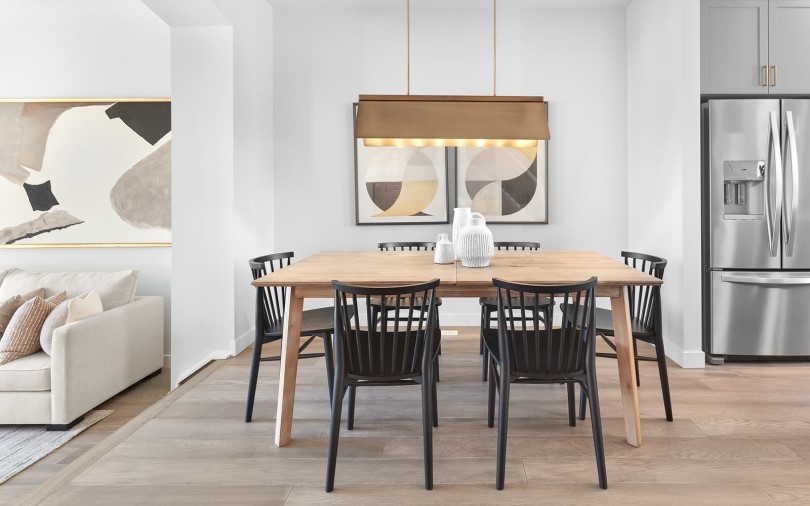
Belvedere 4 Floor Plan, Laned Collection, Chappelle Gardens Community, Edmonton, Alberta
What’s the Difference Between New Construction and Resale Homes?
A new construction home is one that has been built by a professional homebuilder and has never been lived in before, often within a planned or growing community. Buyers may select a move-in ready home or build from the ground up, depending on availability and construction timelines.
A resale home is a previously owned property, including recently built homes and much older properties. Many resale homes are located in established neighborhoods and may come fully landscaped and move-in ready or they may need costly upgrades and significant renovations.
In any housing market, there are good reasons to consider each option. As market conditions continue to evolve, understanding these distinctions can help buyers better determine which path aligns with their lifestyle, budget expectations, and long-term homeownership goals.
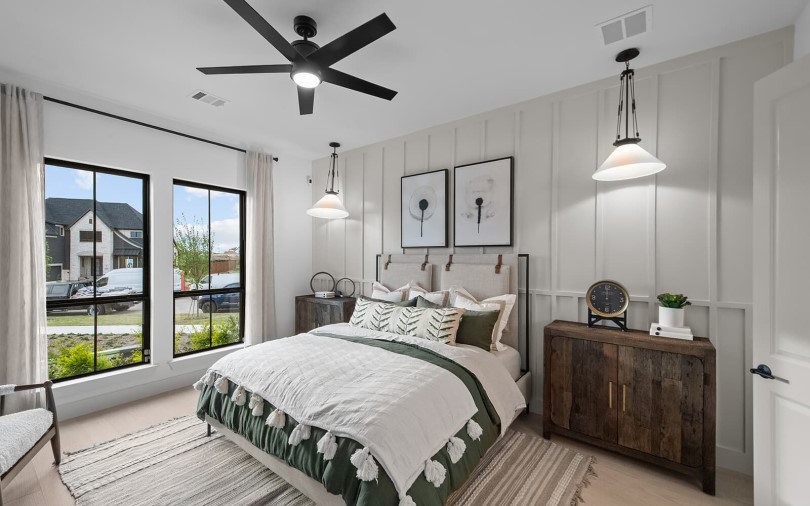
Linfield Floor Plan, 40' Traditional Homes Collection, The Grove Frisco Community, Frisco, Texas
The Pros and Cons of Buying a Resale Home
Many buyers start by looking at older homes for sale because they may have a lower upfront purchase price or a faster path to closing. In many cases, buyers can move into a resale home within 30 to 45 days after an offer is accepted, which may be appealing if timing is a top priority.
That said, resale homes often require buyers to think more carefully about upkeep. Aging systems, outdated materials, and deferred maintenance can increase home maintenance costs over time. Items like roofs, HVAC systems, plumbing, and electrical components should be carefully reviewed during inspections, making a thorough home inspection checklist essential.
Resale homes tend to reflect the design standards of the time in which they were built. They may lack the modern home features that today’s buyers expect, such as open-concept layouts, energy-efficient systems, or integrated smart home technology. While these elements can be added later, upgrading an existing home often requires additional time, coordination, and budget.
For homebuyers who enjoy renovation projects or have their heart set on a specific neighborhood, resale can be the right fit. It simply requires a realistic understanding of future maintenance responsibilities and potential for unexpected repair costs after closing.
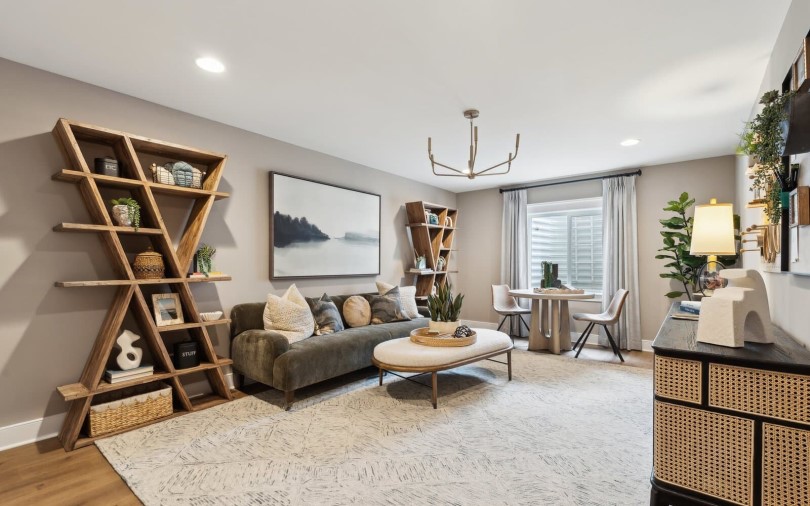
The Pros and Cons of Buying a New Construction Home
New construction homes are designed for how people live today. Modern floor plans often reflect current lifestyles with flexible spaces, open layouts, and thoughtful storage. Many buyers also appreciate the ability to select design finishes or structural features with the builder’s home customization options, especially when purchasing early in the build process.
One of the most appealing aspects of a new build home is living in a space that has never been lived in and is entirely your own. You’ve chosen the homesite. You’ve selected the floor plan. You may have even curated the design finishes. The emotional tie of living in a home you’ve created specifically for you just can’t be replicated in a resale home.
Another significant advantage of new construction homes is reliability. New systems, appliances, and materials typically require less maintenance during the early years of homeownership. Should any issues arise, a builder warranty provides protection against certain repair costs, which offers peace of mind that resale homes generally do not include.
Many new construction homes also include integrated smart home technology, allowing homeowners to manage comfort, security, and access more efficiently. These features are typically designed to work together seamlessly, rather than being added piecemeal after move-in.
New homes also tend to be more efficient. From insulation and windows to HVAC systems, energy-efficient homes are designed to reduce utility usage and improve comfort year-round.
The trade-offs? New build homes may come at a higher purchase price in some markets, and homes that aren’t move-in ready require patience during the construction phase. Newer communities may also take time for the amenities to be fully developed, which is an important consideration for buyers focused on immediate access to neighborhood features.
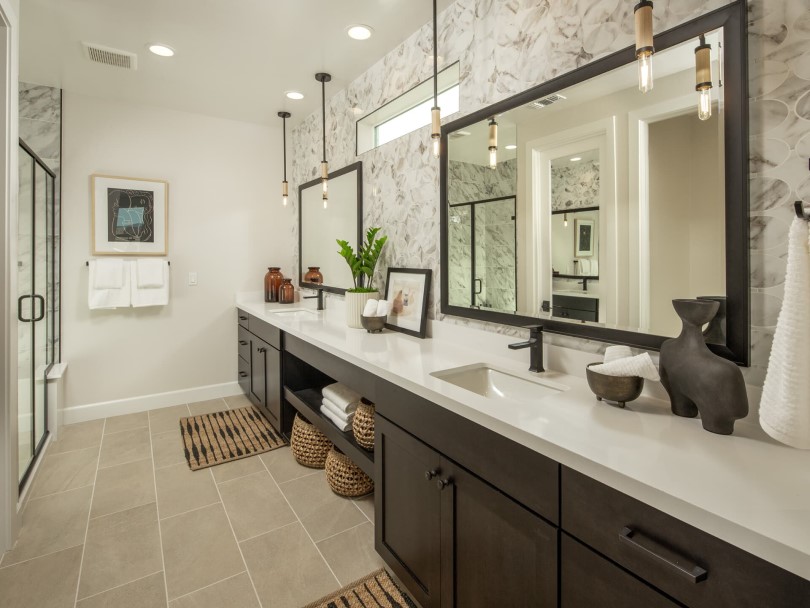
Residence 3 Floor Plan, Foundry Neighborhood, Riversound Community, Napa, California
Comparing the True Cost of Homeownership Over Time
When evaluating new home vs resale options, it’s important to look beyond the purchase price. While price is a major consideration, ongoing expenses, such as maintenance, repairs, energy usage, and long-term resale value, all factor into the total cost of ownership.
Resale homes may appear more affordable upfront, but older systems can lead to higher repair costs over time. Energy usage may also be higher, particularly if the home hasn’t been updated to current efficiency standards. Major components like roofs, HVAC systems, water heaters, and appliances may already be nearing the end of their lifespan, which can lead to replacement costs sooner than expected.
New homes often offset their initial cost through lower maintenance needs, reduced energy consumption, and warranty coverage. Over time, these factors can make new construction more competitive from a financial standpoint, especially for buyers who are planning to stay in their home long term and looking for greater budget predictability.
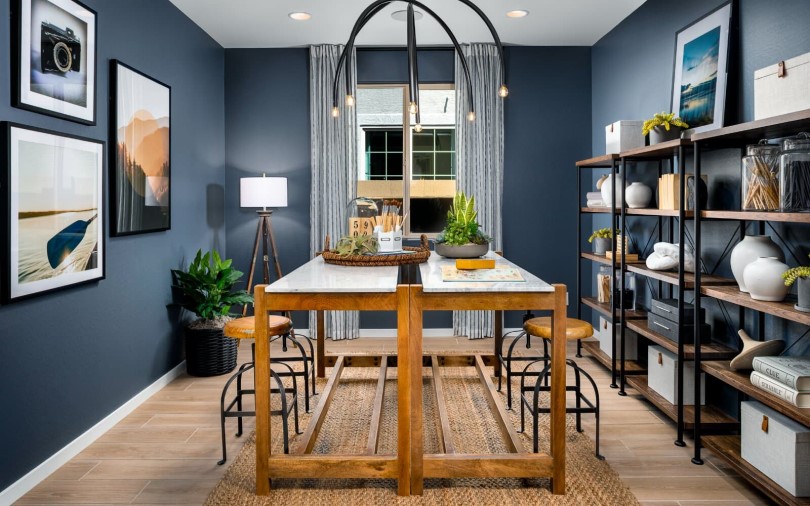
Laredo Floor Plan, Highland Ridge Collection, Alamar Community, Avondale, Arizona
Lifestyle, Layout, and Personalization Considerations
Lifestyle plays a major role in choosing between new and resale. New homes are typically designed to support modern living, including remote work, multi-functional spaces, and seamless technology integration.
While resale homes can certainly be personalized, customization usually happens after closing. Renovations may involve design compromises, scheduling challenges, the risk of uncovering unknown issues, and higher costs, depending on the age and condition of the home.
Buyers who value a streamlined experience and the ability to personalize their home without a major remodel often find that new construction is the better fit for their needs.
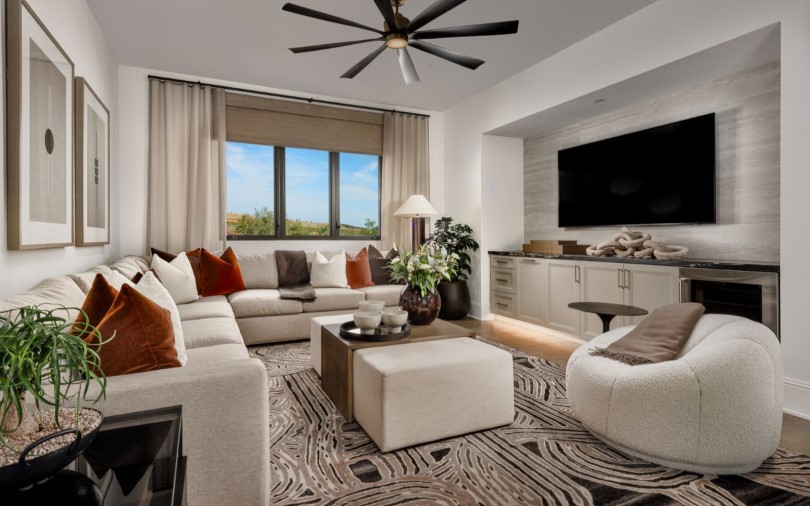
Solana Floor Plan, Vista in Summit Collection, Orchard Hills Community, Irvine, California
Energy Efficiency and Sustainable Design
Today’s new homes are built with sustainability in mind. Improved insulation, high-performance windows, efficient HVAC systems, and solar-ready features all contribute to lower energy usage and increased comfort.
At Brookfield Residential, sustainability is thoughtfully incorporated into home design, helping homeowners enjoy the benefits of energy-efficient homes from day one. These features not only help to reduce monthly utility bills but also support the home’s long-term value.
Older resale homes may require significant updates to reach similar efficiency levels, which can increase both project complexity and overall cost.
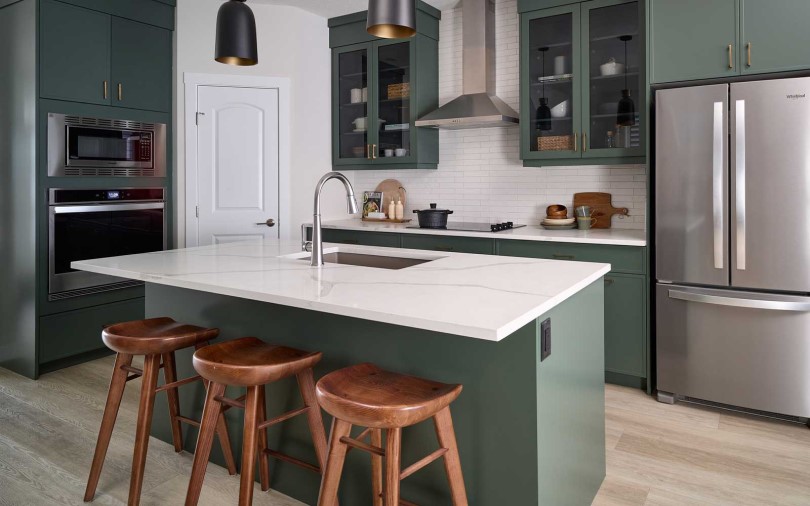
Carlisle 2 Floor Plan, Laned Collection, Livingston Community, Calgary, Alberta
Maintenance, Warranties, and Long-Term Support
Maintenance expectations differ significantly between new and resale homes. Because everything is new and built to current standards, new construction homes typically require less upkeep early on. This often gives homeowners greater confidence when planning monthly expenses during the early years of ownership.
A builder warranty adds another layer of protection, covering certain workmanship, systems, and structural elements during the initial years of ownership. With Brookfield Residential, your home is backed by an industry-leading warranty and our Customer Care team, who are ready to ensure everything is in place and answer any questions you may have after closing.
Resale buyers, on the other hand, don’t know how a home has been cared for over time, immediately assume responsibility for any required repairs, and risk issues arising soon after closing.
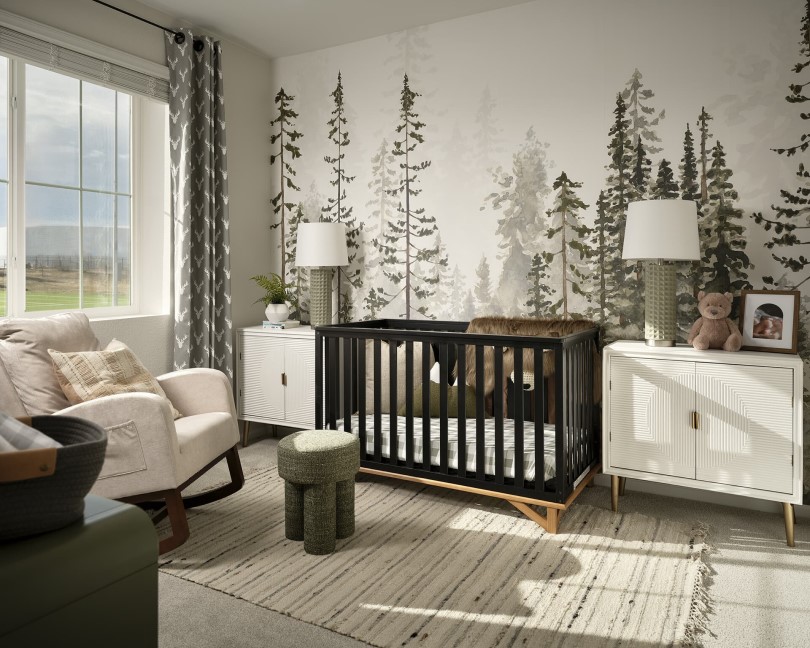
Artisan 3 Floor Plan, Artisan Portfolio, Brighton Crossings Community, Brighton, Colorado
Which Option is Right for You?
First-time homebuyers may gravitate toward new homes for their reliability, lower early maintenance demands, and clearer expectations. The predictability of a new build can reduce stress and allow buyers to focus on settling in and enjoying their home rather than addressing issues.
For many buyers, moving into a new home also creates a sense of shared experience. New communities often bring together neighbors who are settling in at the same time, creating opportunities for connection that grow naturally over time.
Buyers who enjoy renovation projects, want a specific location, or are comfortable managing repairs may prefer resale homes. The right choice ultimately depends on your priorities, timeline, and comfort level with maintenance.
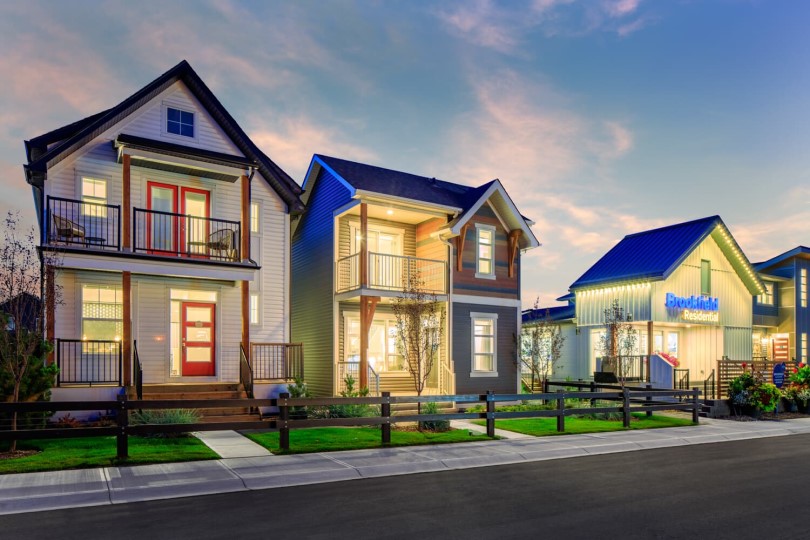
Seton Community, Calgary, Alberta
The Brookfield Residential Difference
At Brookfield Residential, we’re builders at heart. Every home is backed by decades of expertise, thoughtful craftsmanship, and attention to the details that matter most. From certified construction practices to industry-leading warranties, we go beyond expectations, so you can move in with confidence and feel at home from day one.
With over 65 years of experience, Brookfield Residential brings together care, quality, and a people-first approach. We understand that buying a home is one of the biggest decisions you’ll make and we’re here for every step of that journey. From clear communication to lasting relationships, our promise is simple: to help you feel confident, supported, and truly at home.
Start Your New Home Journey
Choosing between buying a new construction vs an existing home is a personal decision shaped by lifestyle, budget, and long-term goals. The best choice is the one that aligns with how you want to live today and how you want your home to support you in the future.
Explore Brookfield Residential’s new home options and connect with our team to discover how easy the journey to homeownership can be. We’ll be expecting you!
The information provided in this blog post is for informational purposes only and should not be considered investment, professional, or legal advice. Please consult a professional before making real estate decisions. Brookfield Residential is not responsible for any actions taken based on the information provided.