
What to Expect During the New Home Construction Process

For many buyers, watching their new home come to life is thrilling, yet the process may feel unfamiliar or intimidating. Understanding the new construction home process can help set expectations, reduce stress, and ensure you feel confident at every step.
This guide will walk you through everything you can expect from the moment you fall in love with a floor plan to the day you receive your keys. We’ll cover how long it typically takes to build a new home, what happens during each phase of construction, and how Brookfield Residential keeps you informed along the way. Though the specifics may vary between regions and communities, you’ll still have the home building process explained in clear, easy-to-follow steps.
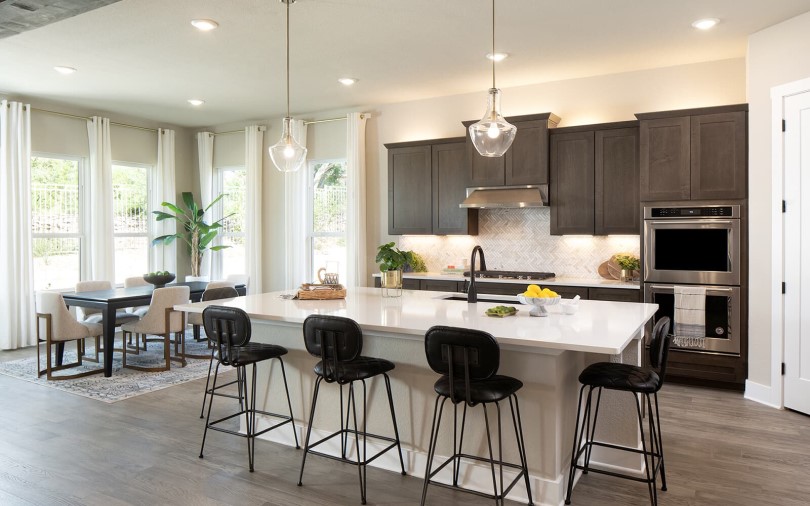
Champlain Floor Plan, Traditional Collection, Kissing Tree Community, San Marcos, Texas
Understanding the New Construction Home Process
The new construction home process has many steps, from early planning and obtaining permits to the start of construction, interior finishing, inspections, and move-in. While buying a resale home involves touring properties that are already complete, new construction allows you to choose a floor plan that suits your needs and potentially personalize the design, all while staying on a predictable homebuilding timeline.
Brookfield’s building process is organized, transparent, and designed to keep you informed every step of the way. Dedicated teams handle permitting, construction schedules, supply chain coordination, inspections, and quality assurance.
Home buyers are updated regularly and kept informed regarding major milestones, so you always know where your home is in the construction process. This clarity helps homeowners feel confident about the overall building a home timeline from start to finish.
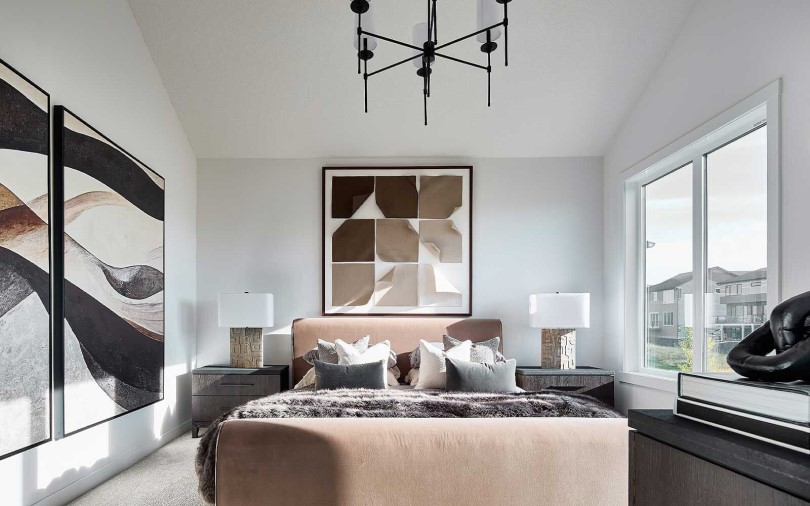
Matera 36 Floor Plan, Estate Collection, Livingston Community, Calgary, Alberta
The Phases of Building a House
Every new build home follows a predictable series of steps. Although timelines can vary, the overall flow stays consistent. These phases of building a house create a predictable structure that guides you through each milestone.
The main phases include:
- Permits and Site Preparation
- Construction and Framing
- Planning and Design
- Interior Work and Finishing Touches
- Inspections and Final Walkthrough
These phases reflect the basic stages of the homebuilding process explained for today’s buyers. Below, we’ll dive deeper into what you can expect at each phase and how Brookfield Residential supports you throughout.
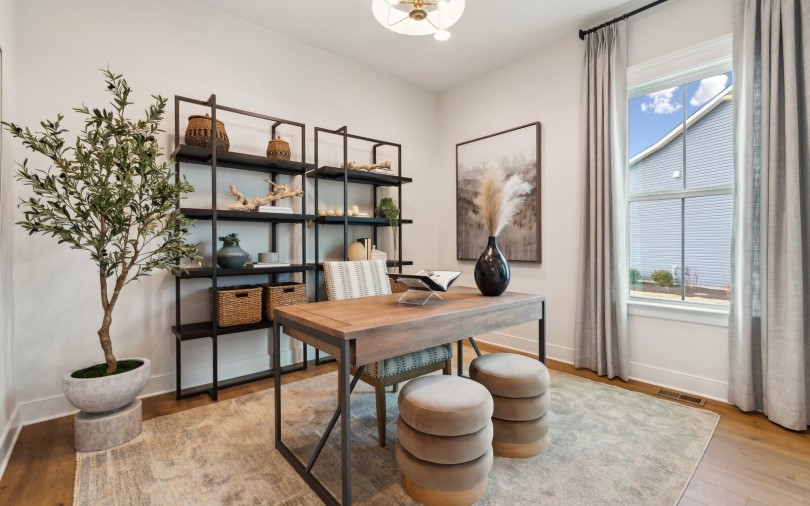
Phase 1: Permits and Site Preparation
There’s a lot of behind-the-scenes work that needs to happen before walls are raised. Brookfield Residential prepares your home for construction by handling the necessary approvals and pre-build work. This phase starts with drafting and reviewing building plans, submitting permit applications, coordinating with local jurisdictions, and ensuring compliance with area building codes.
The permit process ensures your investment in this house is protected by confirming that structural engineering, safety standards, and design requirements all meet local regulations. Because each community and municipality has its own unique guidelines, the review and approval process can vary. Brookfield Residential has teams dedicated to managing each aspect and ensuring the project moves forward efficiently.
After permits are approved, your homesite is prepped and readied for construction to begin. This includes grading the land, establishing drainage, marking boundaries, and setting up temporary utilities. Once preparation is complete, the site is ready for the first exciting milestone that many buyers eagerly await: breaking ground.
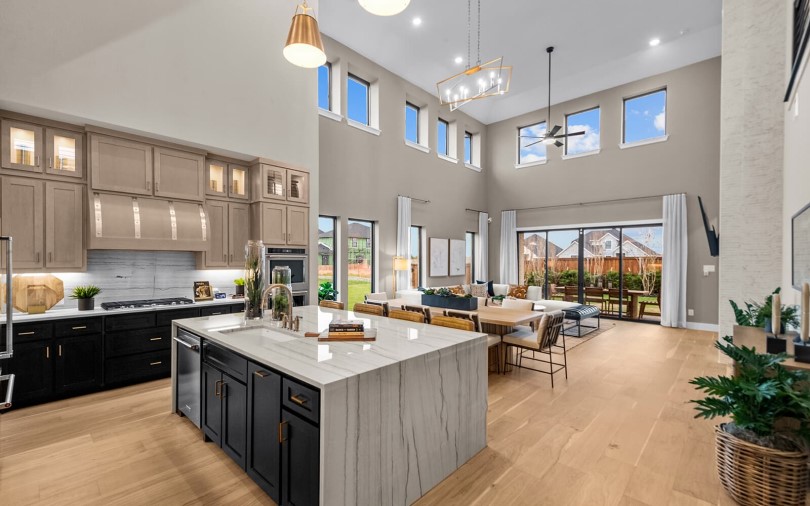
Denison Floor Plan, 55' Traditional Homes Collection, The Grove Frisco Community, Frisco, Texas
Phase 2: Construction and Framing
This phase is when progress becomes visible, and you can start to see your home taking shape. The house is carefully staked out, excavation begins, and the footings are formed and poured to provide a stable base for the structure. During this phase, utility connections—such as water, electricity, telephone, and cable—may also be installed.
Once the foundation has cured, framing follows. The home’s skeleton of interior and exterior walls, floors, and roof all go up, and you can finally walk through the layout you chose. Exterior sheathing and windows are installed next to create a weather-tight shell that protects the interior work as construction continues.
This phase is often when buyers can really recognize their future home in its full form. It’s also where Brookfield’s commitment to quality craftsmanship ensures the home starts strong.
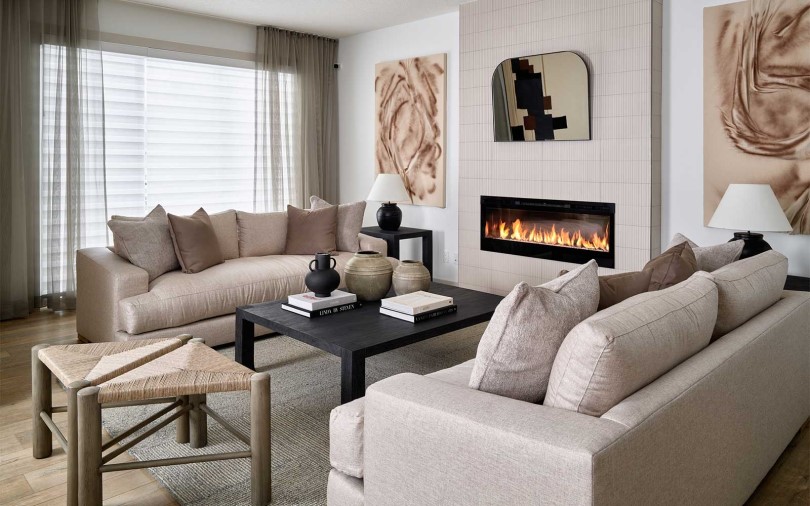
Columbia 3-24 Floor Plan, Front Garage Collection, Edgemont Community, Edmonton, Alberta
Phase 3: Planning and Design
Brookfield Residential offers a curated collection of floor plans, each designed for modern living. Some emphasize open-concept gathering spaces, while others offer flexible rooms for work, hobbies, or multigenerational living. While you’ll have chosen your home’s layout before construction begins, you’ll likely start the finish selection process once the foundation has been poured.
During the design stage, you’ll personalize your home with finish selections, such as flooring, countertops, cabinetry colors, tile, and more. Depending on the community, design options may be curated into packages or available as individual selections. Brookfield’s experienced team of design consultants can help you navigate these decisions so your selections fit your lifestyle and long-term vision for your home.
This is also the time to finalize your financing options and get familiar with your estimated building timeline. If you’re new to the world of new construction, our blog “Buying a New Home: Why You Should and How to Do It” is a helpful place to start.
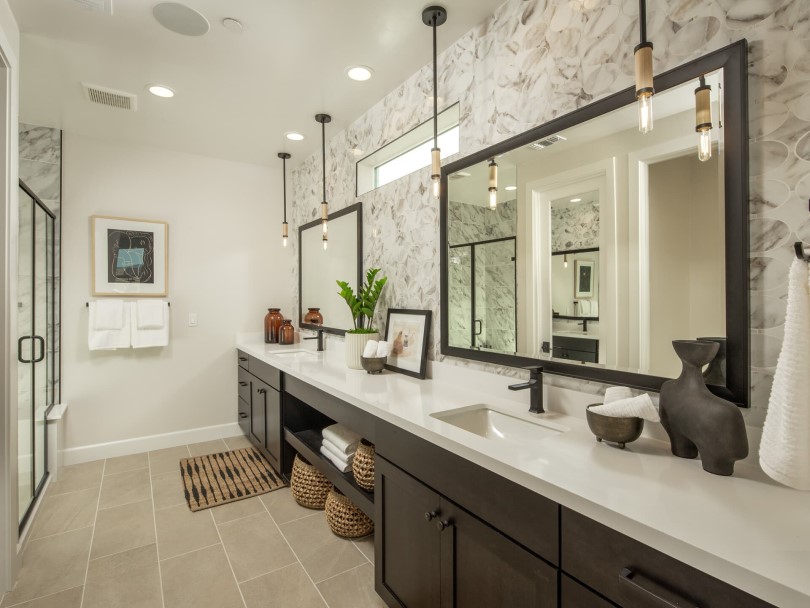
Residence 3 Floor Plan, Foundry Neighborhood, Riversound Community, Napa, California
Phase 4: Interior Work and Finishing Touches
Once your home is weather-tight, skilled trade partners begin work inside on the system and finishes that make your home livable.
This phase includes:
- Electrical wiring and panel installation
- Plumbing lines and fixtures
- HVAC ductwork and equipment
- Insulation
- Drywall installation and texturing
After inspections for these systems have been completed, the interior begins to transform as your design choices come to life. Walls are painted, cabinetry and countertops are placed, flooring is laid, and trim details add character. Light fixtures, appliances, and tile work complete the picture. While the interior moves toward completion, some finishing work may still be occurring on the exterior of your home.
Brookfield Residential partners with trusted suppliers to maintain consistency, ensure top-level craftsmanship, and high-quality building materials across every home.
We understand there may be some conditions beyond our control that may impact installation timelines, but we proactively work with our trades to keep your home’s construction progressing smoothly.
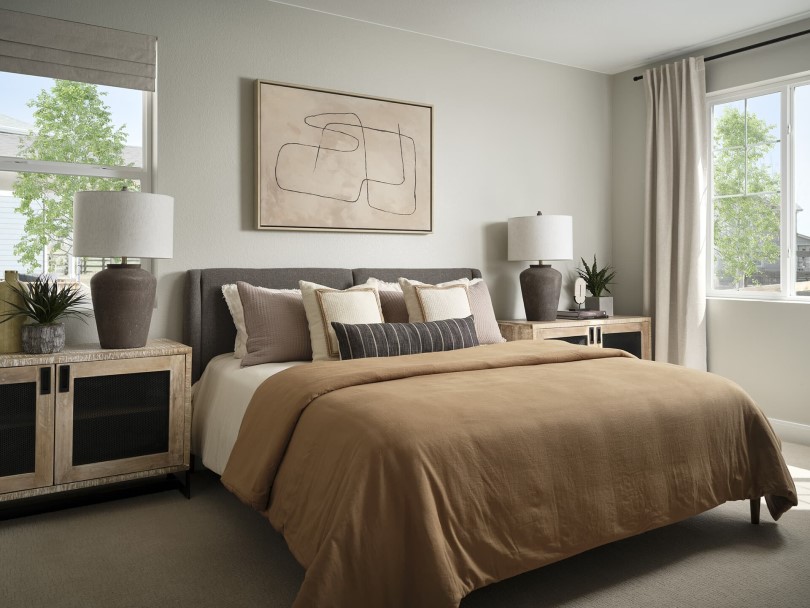
Artisan One Floor Plan, Artisan Portfolio, Barefoot Community, Firestone, Colorado
Phase 5: Inspections and Final Walkthrough
As construction wraps up, your home enters its final quality assurance checks. Multiple inspections verify that everything is functioning correctly, from electrical and plumbing systems to exterior finishes, mechanical components, and safety features.
The last major step before you get the keys and move in is your new home orientation tour or final walkthrough. During this appointment, your customer care team will show you how to operate the essential home systems, go over maintenance tips, and address any items that need adjustment. It’s also your chance to confirm that the home aligns with your expectations and selections.
After closing, Brookfield Residential continues to support homeowners with customer care services designed to help you settle in with confidence and assist you should any issues arise.
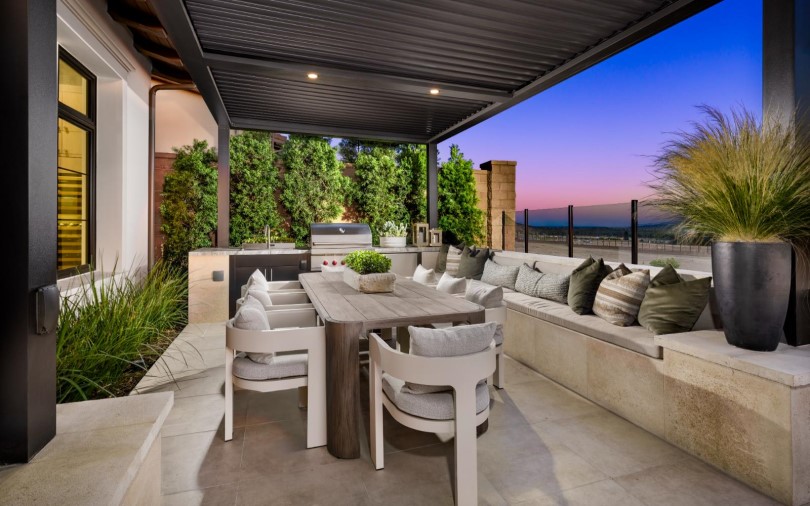
Aliento Floor Plan, Vista in Summit Collection, Orchard Hills Community, Irvine, California
How Long Does It Take to Build a New Home?
One of the most common questions home buyers ask when comparing new construction to resale is: How long does it take to build a new home?
While timelines can vary, most Brookfield Residential homes take six to ten months from start to finish. This estimated build time can shift based on a few key factors:
- Permit approval duration
- Weather and seasonal conditions
- Labor and material availability
- Supply chain fluctuations
- Home size
- Design changes or late selections
Quick move-in homes offer shorter build times because construction is already underway. If you prefer to fully personalize your home, the build process may take longer. Regardless of your timeline, Brookfield Residential is with you every step of the way with regular updates so you always know what phase your home is in.
Tips for a Smooth Home Building Experience
We want your homebuying experience to be as stress-free as possible. Here are a few strategies that can help:
Stay Organized
Keep copies of your design selections, emails, and documents all in one place. Having everything together will make it easier to quickly reference it if needed.
Ask Questions Early
If something feels unclear, reach out to your sales or construction team. We’re here to support you and help you feel informed throughout the process.
Expect Normal Variability
Weather delays, supply chain changes, and shifts in trade schedules are all common during construction. Understanding these variables can help set realistic expectations.
Attend Scheduled Site Visits
Seeing your home come to life at different stages is exciting. Visiting the construction site at scheduled milestones is a great way to visualize your complete space, build your confidence in the process, and connect with the onsite team.
Keep Communication Open
Your team will share updates throughout the construction process, including current build updates and what to expect in the next phase. In turn, you may be asked to provide additional documentation or confirmation of selections. Responding quickly to these requests helps keep the process moving smoothly and prevents any delays.
Brookfield Residential’s organized workflow and proactive communication help minimize any surprises and ensure your journey to homeownership is more enjoyable.
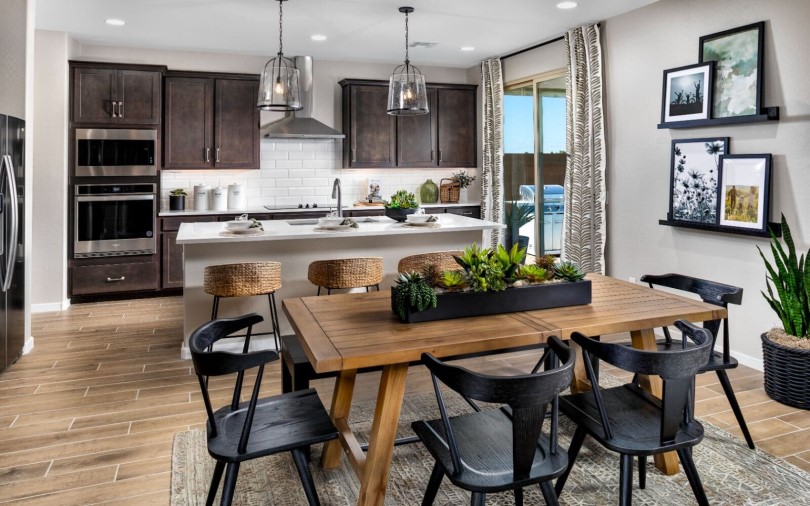
Dakota Floor Plan, Highland Sage Collection, Alamar Community, Avondale, Arizona
Understanding the phases of building a house—permits, construction, design, interior work, and inspections—provides clarity as your home moves from vision to life.
Choosing the right home builder plays a major role in ensuring a smooth and enjoyable experience. Brookfield Residential’s dedication to quality, transparency, and customer care provides a guided and rewarding journey from the moment you select your floor plan to the day you receive your keys.
Ready to start your homebuilding journey? Connect with the Brookfield Residential team to explore floor plans and communities today.
Frequently Asked Questions About Buying a New Construction Home
What is the new construction home process?
It includes permitting, site preparation, construction, interior finishing, inspections, and move-in.
What are the phases of building a house?
Permits and site prep, construction and framing, planning and design, interior finishes, and the final walkthrough.
How long does it take to build a new home?
Most homes take six to ten months, depending on permitting, materials, weather, and home plan complexity.
What happens first when building a new home?
Selecting a floor plan, beginning design discussions, and starting permit applications.
Can I personalize my home during construction?
Yes. Design appointments guide you through structural and finish selections available for your chosen floor plan.
Do I need to be involved in every phase?
No. The Brookfield Residential team shares milestone updates and schedules site visits at appropriate stages.
How does Brookfield Residential ensure quality?
Through inspections, skilled trades, high building standards, and customer walkthroughs.
How long is a new construction home supposed to last?
When constructed properly and maintained over time, a newly built home can last for decades or even a century. To learn more, check out our blog, “How Long Do New Construction Homes Last?”
How do delays affect the timeline?
Weather or material shortages can shift dates, but Brookfield Residential communicates any unforeseen changes promptly.
How can I track progress?
Buyers receive updates throughout the construction process and can attend scheduled site visits.
The information provided in this blog post is for informational purposes only and should not be considered investment, professional, or legal advice. Please consult a professional before making real estate decisions. Details may vary by region or community. Brookfield Residential is not responsible for any actions taken based on the information provided.