
How to Choose the Right Floor Plan for Your Lifestyle

The right floor plan can make your daily routines feel effortless, improve your overall comfort, and continue to work for your household as your life evolves. A well-designed layout supports how you move through your home, how rooms function together, and how easily spaces can adapt over time.
This blog will help you learn how to evaluate different floor plan options, think beyond aesthetics, and consider functional living to enhance your daily routines. We’ll also explore how to read floor plans effectively, what questions to ask before you commit, and how Brookfield Residential approaches thoughtful, flexible home design.
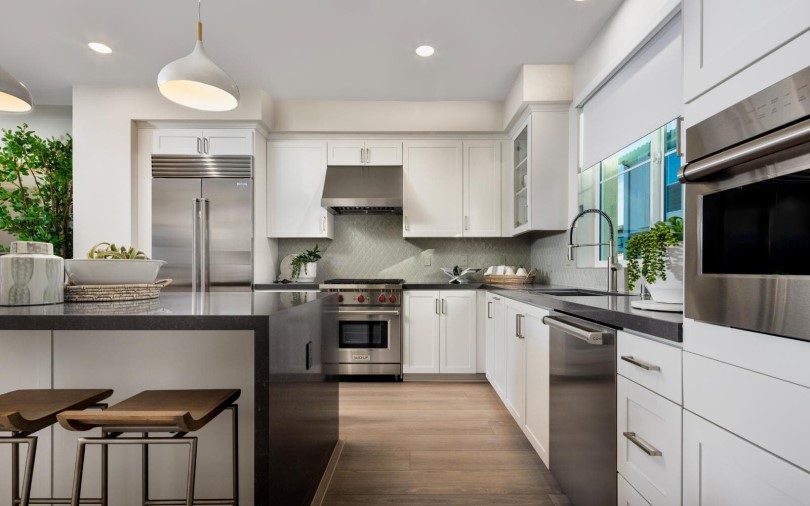
Residence 4 Floor Plan, Townhomes Collection, Magnolia Community, Arcadia, California
Why Choosing the Right Floor Plan Matters
A home’s floor plan shapes how it feels and functions every single day. From how natural light flows into the living room to whether the dining room feels connected or tucked away, layout decisions influence the overall comfort, privacy, and usability of a house.
Making a well-thought-out decision becomes even more important when you’re considering your household’s long-term needs. Growing families may prioritize flexible bedrooms and bathrooms, while professionals working remotely often need a dedicated home office that feels separate from the shared living areas.
Entertaining styles matter, too. Open-concept layouts can create a spacious, welcoming feeling, while more traditional floor plans may offer better separation and noise control.
Beyond daily lifestyle needs, choosing the right floor plan can also affect your home’s resale value. Homes designed with flexible layouts, balanced square footage, and practical room placement tend to appeal to a wider range of buyers.
How much space do I really need in a home’s floor plan?
Square footage alone doesn’t give you a full picture of how a home functions. A smaller footprint with an efficient layout and strong room functionality can feel more practical and spacious compared to a larger home with wasted space. When you’re touring a house, focus on how the rooms connect, storage placement, and the overall flow rather than just the total size.
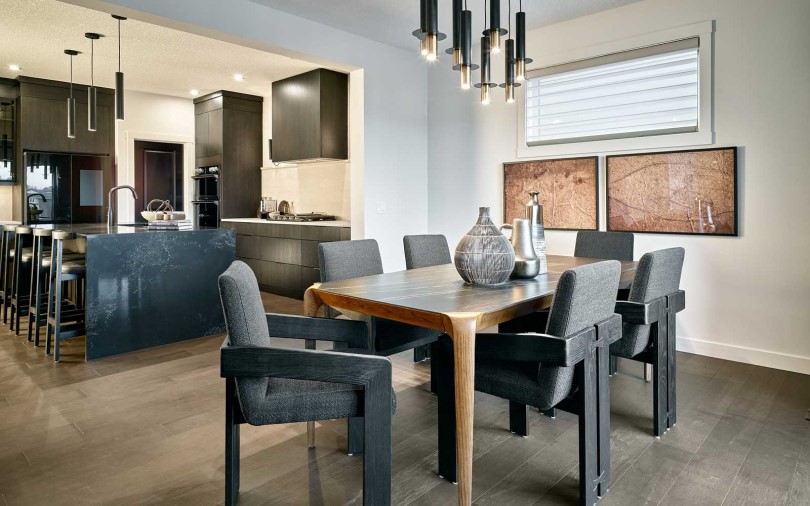
Columbia 26 Floor Plan, Front Garage Conventional Collection, Livingston Community, Calgary, Alberta
Understanding Common Floor Plan Options
Today’s new homes offer a variety of floor plan options designed to suit different lifestyles. Understanding what each layout entails and the pros and cons of the different styles can help you make a more informed and confident decision.
Open-Concept Floor Plans
Open floor plans connect the kitchen, dining, and living room into one shared space, emphasizing connection and visibility. This layout has become one of the most popular floor plan options, particularly for buyers who enjoy entertaining, casual gatherings, and a seamless flow between rooms.
Open layouts often enhance natural light and improve sightlines, creating a more social environment that supports both everyday living and entertaining.
Pros: Great for entertaining, flexible furniture placement, and a bright, airy room feel
Cons: Less privacy, more noise transfer, and fewer walls for built-in storage or displaying a favorite piece of art
Is an open-concept floor plan right for everyone?
Not necessarily. While open layouts work well for many households, those who prefer quiet spaces, defined rooms, or work-from-home separation may prefer a more segmented house plan.
Traditional and Defined Layouts
Traditional floor plans feature distinct rooms, offering a clear separation between spaces. This style works well for homeowners who want a sense of structure and defined areas for living, working, and entertaining. Each room can have its own identity, making it easier to personalize with color schemes, furniture, and interior designs.
Pros: Improved privacy, quieter home office areas, and stronger room identity
Cons: Less flexibility and, in some cases, reduced natural light flow
Multi-Level Floor Plans
Multi-level homes separate living spaces from bedrooms and bathrooms, creating different zones for privacy and activity. The bedrooms located upstairs are quieter, while the main living areas below remain social and active. This layout is especially useful for families who want separation between children’s spaces and adult areas or who need a private home office tucked away from the main traffic zones.
Pros: Privacy, defined zones, quieter bedrooms, efficient use of square footage
Cons: Stairs may limit accessibility for some household members
Main-Floor Primary Suites
Floor plans featuring main-level primary suites focus on convenience, accessibility, and long-term livability. Having the primary bedroom and bathroom on the main level reduces daily stair use and supports aging in place, making it a smart choice for buyers planning for the future or accommodating multi-generational living.
Pros: Accessibility, flexibility, future-ready design
Cons: Larger footprint, less upper-level space
Choosing a Floor Plan Based on Your Lifestyle

Palermo Floor Plan, Estate Collection, Seton Ridge, Calgary, Alberta
The most effective way to evaluate a floor plan is to start with your real-life needs and what will create a functional living space. The essential questions to ask include: How many bedrooms and bathrooms do you need? Do you need any flex spaces?
Then move on to your nice-to-have list. These are features you want in your home, like walk-in closets or an oversized kitchen island. If you need some guidance, check out our blog, “Creating a New Home Wish List,” for tips on identifying everything you want (and don’t want) in your home.
Pay attention to the size, shape, and location of each room. How close are shared spaces to the bedrooms? How far is the kitchen from the garage for unloading groceries? You’ll also want to note the location of doors and windows. How will traffic move from room to room? Does the space have a lot of windows to let in natural light?
Take time to review the details of the kitchen. After all, many consider it to be the heart of the home! Imagine moving between appliances, where you’ll stand to prep food, and whether the kitchen can comfortably accommodate more than one person at a time.
You should also evaluate the storage options in the home. Closets, pantry space, shelving, and other storage areas play a major role in daily organization, and insufficient storage can quickly impact how functional a floor plan feels.
Families with children may prioritize bedroom proximity, flexible bonus rooms, and storage that supports busy routines. Professionals working from home need a quiet home office with separation from the main living areas. Multi-generational households benefit from layouts that offer private suites, secondary living rooms, or adaptable spaces that can change over time.
Flexibility matters just as much as current needs. Rooms that can shift from a playroom to a study or guest space help ensure the floor plan continues to function as your life changes.
How do I choose a floor plan that fits my lifestyle?
Start by mapping your daily routines, then identify which rooms you use the most, and how they should connect. Prioritize layouts that support those patterns rather than focusing solely on trends.
What rooms or spaces are the most important to prioritize?
Living spaces, bedrooms, and bathrooms should be considered first, followed by any dedicated work or hobby spaces, as these areas typically have the biggest impact on daily comfort, enjoyment, and functionality.
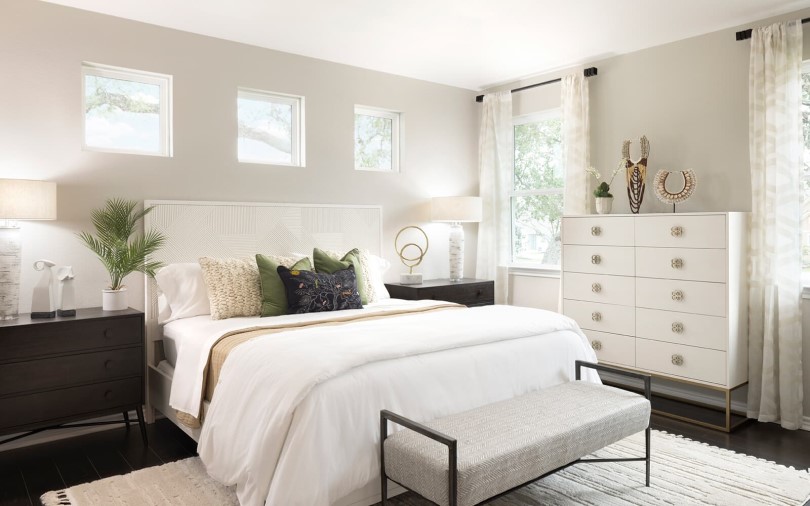
Evia Floor Plan, Villas Collection, Kissing Tree Community, San Marcos, Texas
Thinking About the Future When Selecting a Floor Plan
Life rarely stays the same, which is why adaptable layouts are so valuable. Floor plans that include flexible rooms, main-floor living options, or convertible spaces can reduce the need to move later.
While it’s impossible to know exactly what the future will hold, planning for aging in place, changing work patterns, or evolving household sizes can help ensure your home is the right fit for years to come.
How to Read Floor Plans Confidently
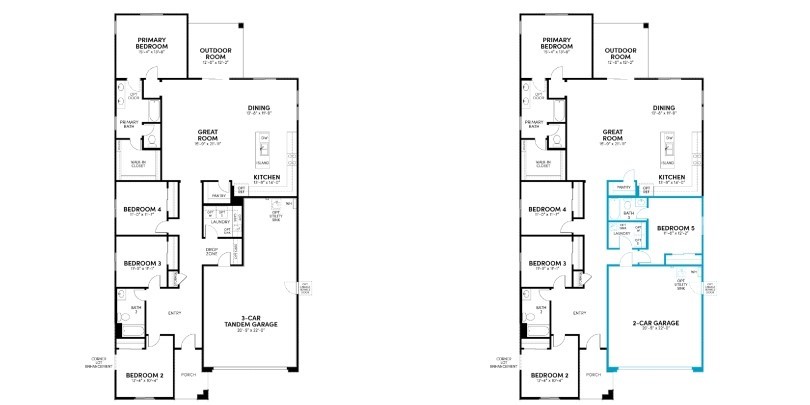
Laredo Floor Plan, Laurel Collection, Blossom Rock Community, Apache Junction, Arizona
Touring a home in person or taking a virtual tour is the best way to experience how a house feels. When those options aren’t available, buyers often rely on reading a blackline floor plan to understand the layout.
A blackline floor plan is a scaled diagram that provides a bird’s-eye view of a home’s layout, often used in new construction and home listings. It illustrates the arrangement of rooms, walls, doors, windows, and other features, helping you understand how the space is organized and how rooms relate to one another.
Measurements are included to give a sense of room sizes and dimensions, while symbols show the placement of features like staircases, appliances, and sometimes furniture, helping you visualize how the home functions before you see it in person.
Some home shoppers find floor plan diagrams confusing. After all, you don’t experience your home looking straight down from above! Other buyers love reading floor plans; it’s like an instruction manual for your home, and knowing all the parts and pieces and how they work together gives you a deeper insight into the house.
Understanding what different symbols and notations mean, how to review dimensions and measurements, and how room labels or layout variations can change from plan to plan is essential when determining whether a home’s layout will truly work for your household.
Learn how to read a blackline floor plan with confidence in our blog, “How to Read and Understand a Floor Plan.”
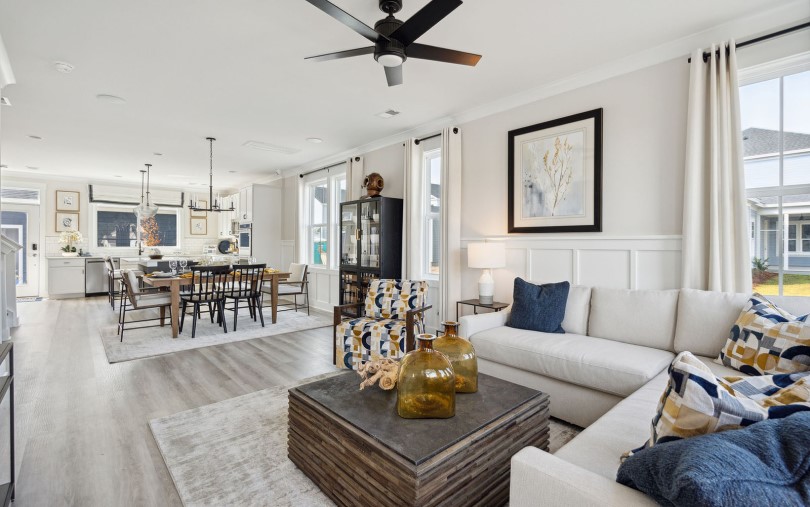
Sage Floor Plan, Townhomes Collection, Nexton Community, Summerville, South Carolina
The Brookfield Residential Difference
Brookfield Residential proudly designs the best places to call home with real-life living in mind. Our communities feature a variety of floor plans that reflect thoughtful planning, modern functionality, and flexibility to support long-term livability.
Features like bonus rooms, multi-generational suites, open yet intentional layouts, and more allow homeowners to personalize their homes without sacrificing comfort or flow.
Find a Floor Plan Designed for Your Lifestyle
Choosing a floor plan is one of the most important decisions you’ll make when buying a new home. A layout that balances functionality, flexibility, and long-term livability means you can enjoy its comfort today and be confident in your home well into the future.
Explore Brookfield Residential’s floor plan options and find a home perfectly designed for you.