
Why Proximity to Parks and Outdoor Spaces Matters for Homebuyers

Green space, walking trails, and open-air gathering spots have moved from a nice-to-have to a genuine priority, and it’s changing how people think about where they want to live.
Homes near parks offer something hard to put a price tag on. Each access to a trail for a morning run, a playground for the kids after school, or a quiet bench for unwinding at the end of a busy day has a ripple effect on the way they shape daily life. It’s part of why so many buyers now weigh proximity to parks alongside square footage and school districts when narrowing down where they want to live.
Living close to green space has proven ties to physical health, mental well-being, and the kind of convenience that makes a house feel like a good fit for real life.
This blog will explore what’s driving this shift, how it plays out day-to-day, and how Brookfield Residential designs communities where outdoor access is part of the plan from day one.

Rockland Park Community, Calgary, Alberta
The Growing Demand for Outdoor-Oriented Living
The importance of outdoor-focused living didn’t happen overnight, but it’s picked up real momentum in recent years. Buyers are spending more time evaluating how a home fits into their broader routine, weighing daily life alongside bedroom count and design finishes. That mindset has pushed outdoor lifestyle communities from a niche preference into a mainstream expectation.
Part of this comes from how people now spend their days. Remote and hybrid work has blurred the line between home and everything else, and a lot of buyers are looking for a change of scenery that doesn’t require getting in the car and making a separate trip. A short walk to a trail or a bench under some trees can turn a midday break into something that actually feels like a break, instead of just a pause between meetings.
Health and wellness trends have played a role too. More buyers are prioritizing an active lifestyle, and nearby options make it easier to stick with it, whether it’s an early-morning jog before work or a family bike ride on the weekend.
These shifts have turned outdoor access into one of the quality-of-life benefits buyers expect as a baseline, weighed just as seriously as square footage or commute time.
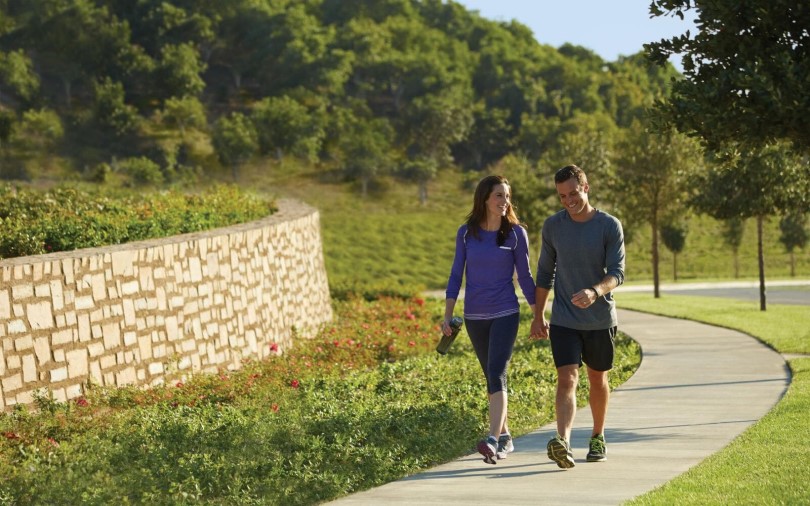
Orchard Hills Community, Irvine, California
How Green Spaces Enhance Everyday Life
Living near parks means outdoor time doesn’t require much planning. Getting outside is as simple as a short walk, and that convenience shows up in small ways throughout an average week.
For families, it often starts with the basics: a playground close enough for after-school fun, or a stretch of grass where the kids can burn off energy before dinner. Pet owners feel it too. A nearby dog park or walking loop turns a daily chore into something both the dog and the owner actually look forward to.
Access to green space also changes how people unwind. A shaded spot to catch a breather, a quiet trail at sunset, or even just a view of open space from the front porch gives people a place to rest without needing to go far. Those small moments add up, shaping the rhythm of each day in ways that are easy to overlook until they’re gone.
None of this requires a special reason to get outside. Some weeks it's an evening walk on a Tuesday, other times a Saturday morning at the park. These small moments add up simply because the option is right there.
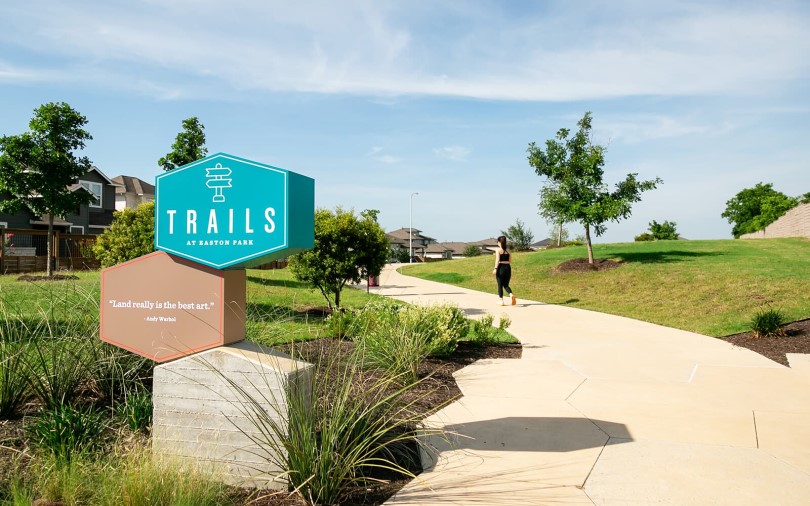
Easton Park Community, Austin, Texas
Recreation, Wellness, and Walkable Access
Outdoor recreation near home gives people a reason to get outside and move, and that matters more than it might seem. Regular activity is easier to maintain when it doesn’t require its own trip across town. Having trails and open spaces nearby turns exercise into something easily woven into the day rather than something to schedule.
The physical benefits are the obvious part. Walking, running, and biking all support heart health, strength, and stamina, and having options within reach makes it more likely those activities will actually happen. What’s talked about less is the mental health benefits. Time outdoors has significant ties to lower stress and a clearer head, and even a short walk through a park can provide a real reset.
Walkable outdoor communities add another layer to this. When trails, parks, and courts sit within walking distance, heading out the door doesn’t come with the extra steps of figuring out where to go, driving there, and finding parking. That ease shapes habits over time, since people are more likely to stick with something when it’s a five-minute walk instead of a fifteen-minute drive.
Buyers now have a name for this kind of place: healthy lifestyle communities, where staying active fits into the day instead of competing with it.
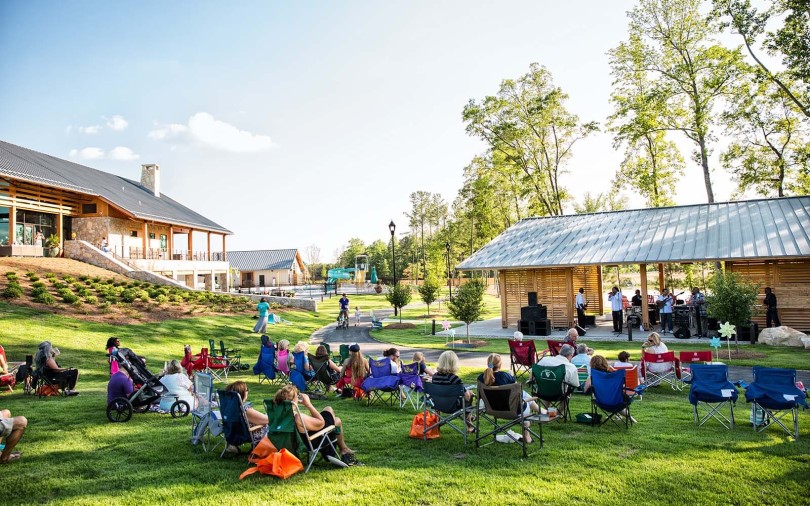
Wendell Falls Community, Wendell, North Carolina
The Role of Green Space in Community Design
Green space plays a defining role in how a neighborhood feels day to day, shaping the way residents interact and how connected they feel to the place they live. Parks are often where this shows up most clearly. A gathering spot like a park or plaza gives neighbors a natural place to cross paths. Kids make friends there, and a quiet Tuesday can turn into an impromptu catch-up on a bench.
Neighborhood green spaces and community amenities also create room for programming that builds a sense of belonging. Farmers markets, seasonal events, and outdoor movie nights all need a place to happen, and a central park or plaza often becomes that stage. These events turn strangers into familiar faces over time, something that's harder to replicate indoors.
There’s an environmental piece to this too. Preserved tree canopy, thoughtfully placed drainage areas, and pockets of natural habitat add real function to a neighborhood. They help manage stormwater, support local wildlife, and keep neighborhoods cooler during the summer months. Good community design treats these elements as part of the plan, woven into the layout from the start.
This is what separates a collection of homes from a real community. Streets and houses create a place to live. Parks and recreation areas make it a place worth staying.
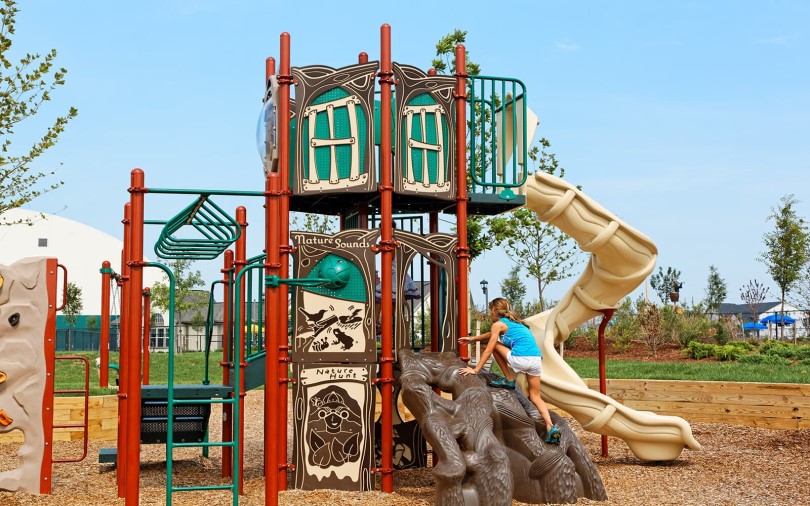
Snowden Bridge Community, Winchester, Virginia
Long-Term Value of Homes Near Parks
Outdoor access carries weight beyond daily life, showing up in what a home is worth over time. Buyers consistently pay more for proximity to parks and green space, and that demand holds steady even as broader market conditions shift.
Part of this comes down to scarcity. Land near well-designed parks and trails is limited, and as more buyers prioritize outdoor access, homes in those locations tend to stay in demand. That steady interest supports resale value and can make a home easier to sell down the road.
Benefits of living near parks extend beyond the individual homeowner too. Neighborhoods with strong outdoor amenities often see broader appeal, drawing a wider pool of buyers who want walkable trails, green space, and places to gather. That wider demand can lift property values community-wide, extending well beyond a single street or block.
For buyers thinking beyond the first few years, nature-focused living is proving to be a smart bet, whether someone stays five years or twenty.
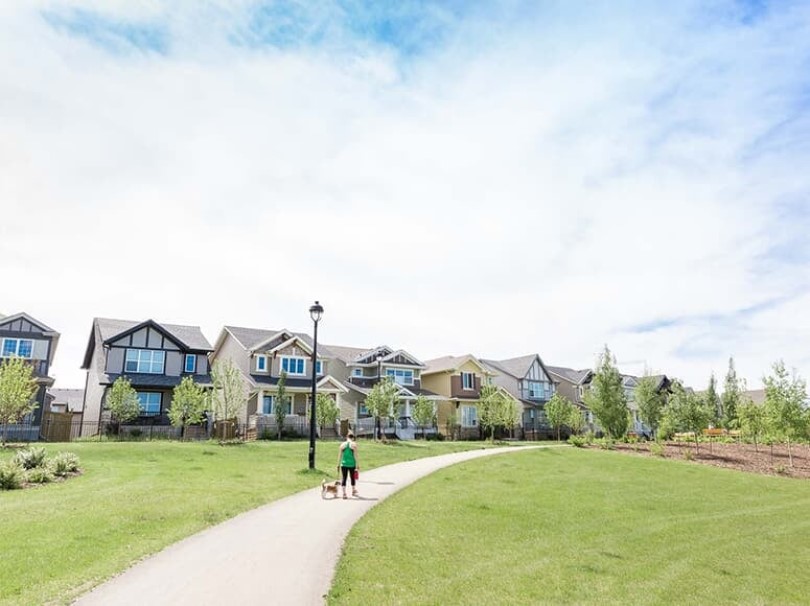
Chappelle Gardens Community, Edmonton, Alberta
How Brookfield Residential Integrates Outdoor Living
Brookfield Residential builds outdoor access into a community’s design from the start, planning trails, parks, and gathering spaces alongside the homes themselves. Splash pads, sport courts, dog parks, and miles of connected trails show up again and again across our communities, giving residents options close to home no matter where they live.
In Austin, our Easton Park community features Skyline Park, 21 acres that connect to the rest of the neighborhood through miles of walking trails. In Calgary, Livingston features a 35,000-square-foot lifestyle center with skating rinks, a splash park, and a gymnasium, giving residents year-round options no matter the season.
In Ontario, California, New Haven pairs a Jr. Olympic pool and recreation center with gated dog parks and a super playground, providing both structured amenities and everyday green space. These examples reflect a pattern across our portfolio, treating outdoor amenities as a core part of the plan from the earliest stages of design.
This kind of planning reflects a simple idea we build every community around: a home is only as good as the neighborhood surrounding it. By building parks, trails, and gathering spaces into a neighborhood from the ground up, we create communities designed with outdoor living in mind.
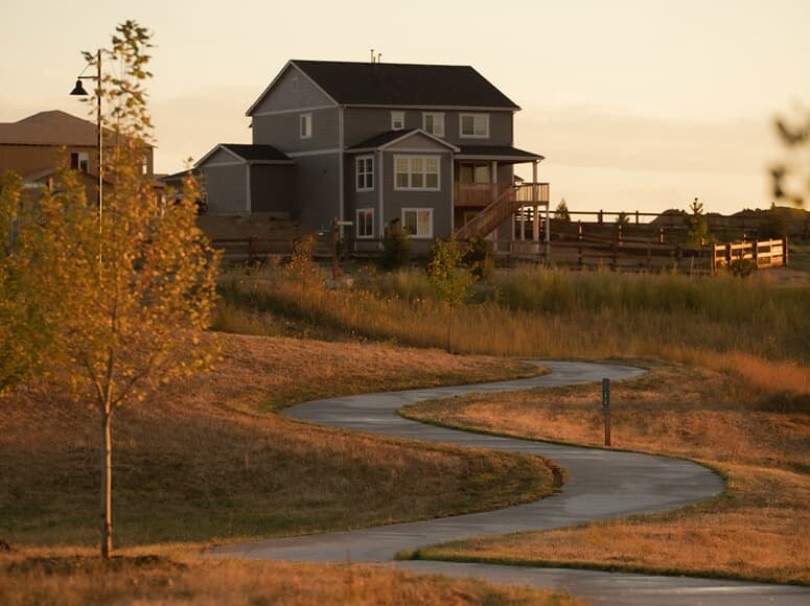
Barefoot Community, Firestone, Colorado
Find a Home Near the Outdoors You Love
Proximity to parks and outdoor space has moved well past a nice-to-have for today’s buyers. It shapes daily routines, supports physical and mental well-being, and plays a real role in how a neighborhood feels to live in over the long run.
From a quick walk after dinner to a Saturday morning at the splash pad, the benefits show up in ways big and small, and they tend to stick around long after moving day.
At Brookfield Residential, we build our communities with this in mind, weaving trails, parks, and gathering spaces into the plan from the very start. Ready to see what outdoor living looks like in a Brookfield community? Explore our neighborhoods to find a home designed around the outdoors you love.
