
What to Know About Buying a New Construction Home

As buyers begin researching new construction homes for sale, many discover that the process looks different than purchasing an existing home or older home, and that understanding those differences can make the experience far smoother.
For many home shoppers, learning the steps involved in buying a new build home starts well before they’re actually ready to make a move. Exploring how the process works, what choices are involved, and what to expect along the way helps buyers make confident decisions when they decide they are ready to buy a home.
This guide breaks down what it means to purchase a new construction home, the benefits, common considerations, and how the process compares to buying a resale property so you can decide if buying a new construction home is the right fit for your lifestyle and timeline.
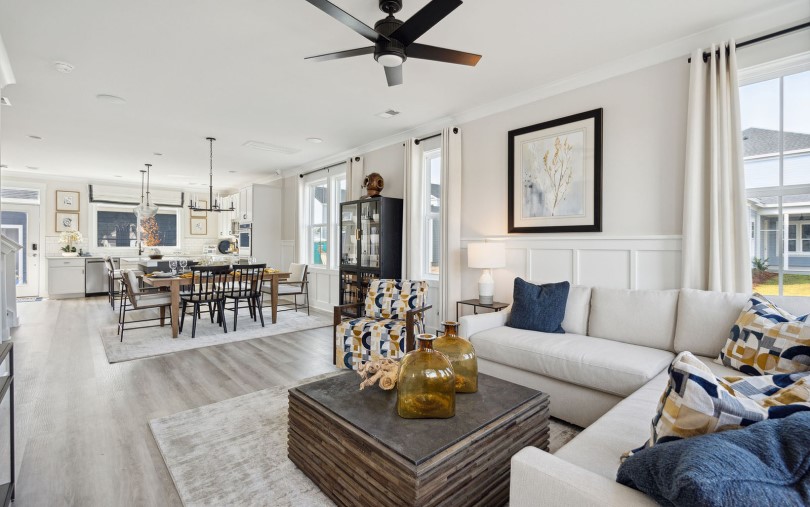
Sage Floor Plan, Townhomes Collection, Nexton Community, Summerville, South Carolina
What Does Buying a New Construction Home Mean?
At its core, buying a new construction home means purchasing a house that has not been lived in before. Unlike an existing home, a new build is either currently under construction or will be built after you sign a purchase agreement.
Many home shoppers ask, “What does it really mean to buy a new construction home?” The biggest difference lies in timing and customization. Instead of touring lived-in spaces, buyers often start by touring a show or model home, reviewing available floor plans, and selecting features and design finishes before construction is complete.
Types of New Construction Homes Available
- To-be-built homes: Construction begins on these types of homes once a purchase agreement has been signed, often allowing buyers to personalize structural options and design selections.
- Quick move-in or spec homes: These homes are either already under construction or completed and move-in ready.
- Custom home options: A custom home typically has more design freedom and may require a construction loan, depending on the project scope and the builder you’ve selected.
Brookfield Residential primarily offers thoughtfully designed homes within planned communities, balancing personalization and efficiency while simplifying the overall process.
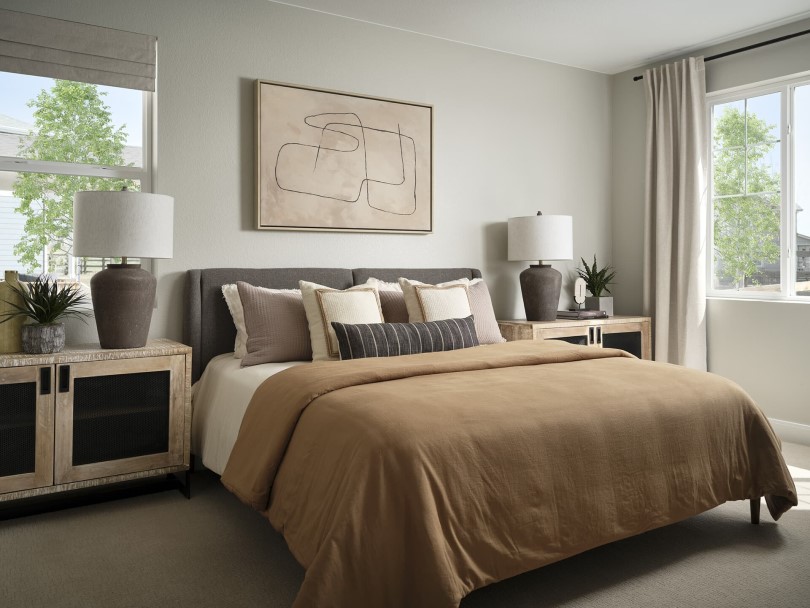
Artisan One Floor Plan, Artisan Portfolio, Barefoot Community, Firestone, Colorado
Benefits of Buying a New Construction Home
One of the most appealing aspects of a new build home is living in a space that has never been lived in and is entirely your own. You’ve chosen the homesite. You’ve selected the floor plan. You may have even curated the design finishes. The emotional tie of living in a home you’ve created specifically for you just can’t be replicated in a resale home.
Other key advantages of a new construction home include:
- Modern floor plans designed for how households live today
- Improved energy efficiency, which can lead to lower utility costs
- New systems, appliances, and materials that typically require less maintenance
- Smart home technology built in
- Builder warranties that provide additional peace of mind
- Living in a vibrant community with brand-new amenities
Given these advantages, you may be asking, “Are new construction homes more expensive than resale homes?”
With a new construction home, you have more control over the outcome—from style and layout to personalized finishes that reflect your unique preferences. Unlike renovating an older home, which can be time-consuming, costly, and disruptive, building new offers a smoother, more predictable experience. Remodeling older homes can cost anywhere from $40,000 to over $300,000 and often comes with unexpected complications due to aging structures and outdated systems.
At Brookfield Residential, we prioritize transparency from the start. Our complete pricing model ensures you know exactly what to expect—no surprises or hidden fees.
Our myVision home visualizer enhances the experience by allowing you to explore floor plans, customize materials, and see real-time pricing updates as you make selections. It’s a one-of-a-kind way to design a home that’s truly your own, with the confidence of knowing where every dollar is going.
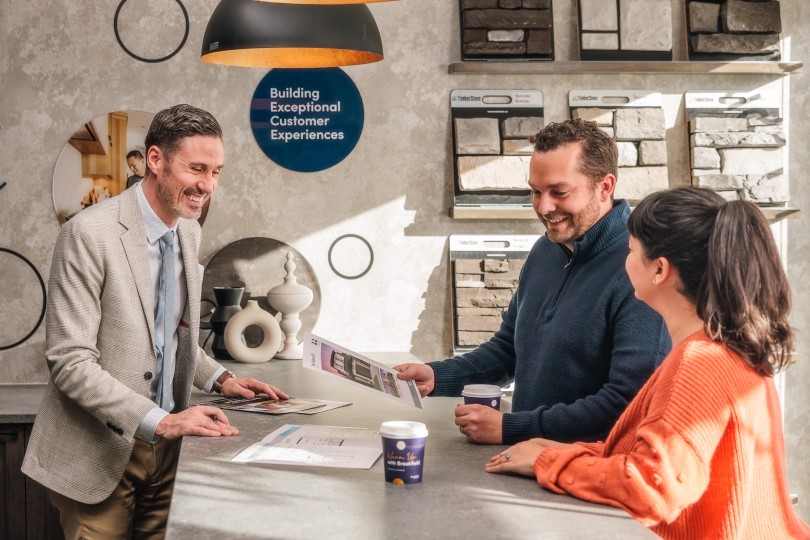
The New Construction Home Buying Process
The new construction home buying process follows a clear sequence, though timelines can vary based on home type and location.
1. Get Pre-Approved
Understanding your budget is the first step, and being pre-approved shows builders you’re a serious buyer. Check out our blog, How to Get Pre-Approved for a Mortgage, to help you get started.
2. Choose the Right Community & Select a Floor Plan
Deciding where you want to live is a big decision. You’ll want to think about location, lifestyle, amenities, association fees, and future value. Not sure where to begin? How to Decide Where to Live covers the essential factors to help narrow your options.
Once you’ve found the right community, it’s time to find the right floor plan that will meet your needs today and can grow with you in the future. If you’ve never reviewed floor plans before, our blog, How to Read and Understand a Floor Plan, covers everything you need to know to help visualize how a space could work for your lifestyle.
3. Finalize Financing and Contracts
Once you’ve selected a home, you’ll need to sign the necessary builder contracts and lock in your financing. Depending on the type of home, this will likely involve traditional mortgage financing rather than a construction loan, which is more common for a custom home. Buyers should also understand closing costs, which can differ slightly from resale transactions.
4. The Construction Process and Major Milestones
In the U.S. and Canada, it takes, on average, about 6.5 to 7.2 months to build a new single-family home once permits are issued. Every home is unique, and timelines can vary based on location, design, and permitting requirements.
Generally, most new construction homes follow a similar series of steps:
- Phase One: Permits - Permits are developed, finalized, and submitted for review and approval.
- Phase Two: Foundation - The house is carefully staked out, excavation begins, and the footings are formed and poured to provide a stable base for the structure. During this phase, utility connections—such as water, electricity, telephone, and cable—may also be installed.
- Phase Three: Framing - Framing is when your home truly starts to take shape. This phase includes building the structure’s skeleton—interior and exterior walls, floors, and the roof are all assembled.
- Phase Four: Mechanical Systems – This step involves installing the home’s core systems: electrical wiring, plumbing, and HVAC.
- Phase Five: Insulation & Drywall - After mechanical inspections are complete, insulation is added to walls, ceilings, and floors based on local building codes and energy efficiency goals. Then, drywall is hung, taped, and textured.
- Phase Six: Interior Finishes - This phase is often the most exciting part for homebuyers, as design choices begin to come to life. Interior finishes are typically installed in the following order:
- Paint
- Cabinetry
- Countertops
- Flooring
- Tilework
- Plumbing and lighting fixtures
- Interior doors and trim
- Phase Seven: Final Inspections & Walk-Throughs - Before possession, your home goes through a final inspection process to ensure it meets building codes and quality standards. You’ll be invited to complete a final walk-through to review your home.
- Phase Eight: Possession Day - On possession day, you’ll do one last walk-through to confirm all noted items have been addressed. Once everything checks out, the home is yours, and you can begin moving in.
It’s worth noting that some builders offer regular construction updates or homeowner orientations throughout the process, so you can stay informed and feel confident as your home progresses toward completion.
For a deeper dive, check out How Long Do New Construction Homes Last—and How Long Do They Take to Build?
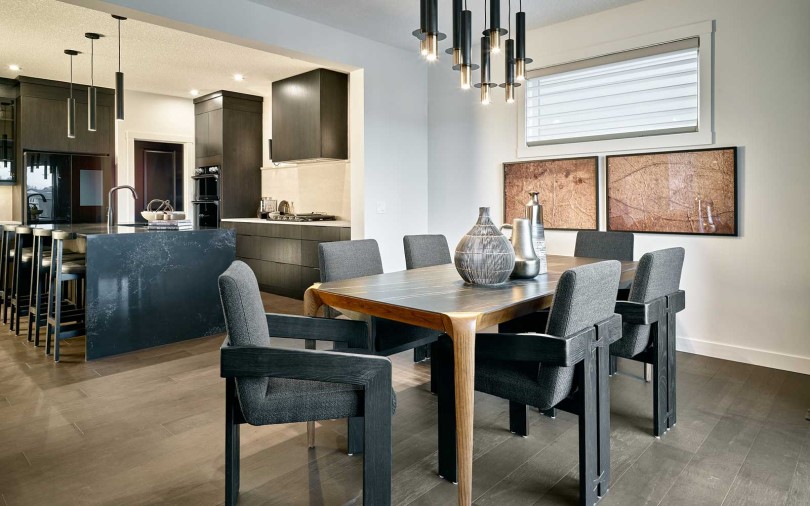
Columbia 26 Floor Plan, Front Garage Conventional Collection, Livingston Community, Calgary, Alberta
What to Look for When Comparing New Construction Homes for Sale
Not all new homes are created equal. When comparing new construction homes for sale, buyers should look beyond the price and consider long-term livability.
Important things you’ll want to consider include:
- Community design and shared amenities
- Builder reputation and quality standards
- Included features versus optional upgrades
- Layout functionality and storage
- Proximity to schools, work, and daily conveniences
Looking at these factors together helps clarify a home’s overall value rather than focusing on cost per square foot alone.
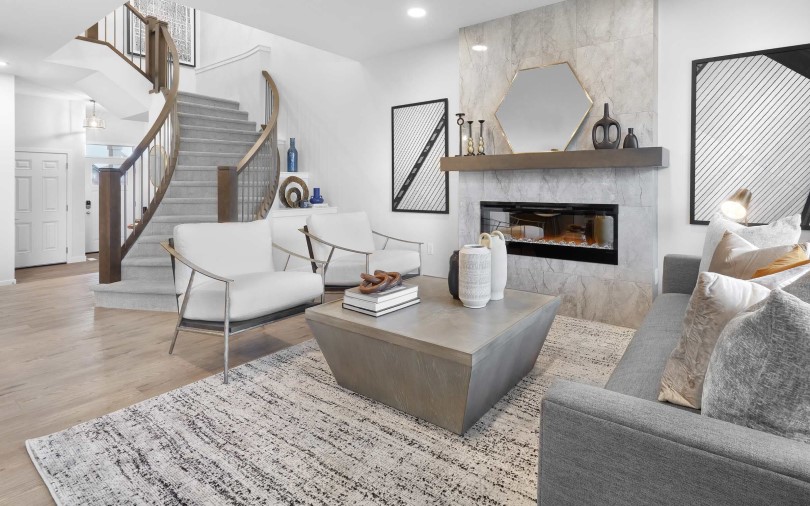
Robson 24 Floor Plan, Front Garage Collection, Chappelle Gardens, Edmonton, Alberta
Common Myths About Buying a New Construction Home
There are several misconceptions that surround buying a new construction home, especially for first-time buyers.
Myth #1: New construction homes always cost significantly more compared to resale homes
Not always! While cost will vary by location and communities, new builds can offer better long-term value and require fewer repairs. Energy savings can significantly impact overall costs, and builder warranties offer peace of mind and financial protection that older homes simply cannot provide.
Myth #2: All new homes look the same
Some buyers believe all new homes look “cookie-cutter,” but customization and design options are more prevalent than ever. Even in planned communities, floor plans, facades, and finishes differ from home to home.
Myth #3: New construction takes too long to build
While you may think new construction isn’t an option if you have a quick timeline to move, many builders have move-in ready homes that allow you to take possession sooner.
Myth #4: I need to have a real estate agent
The builder’s onsite sales team can help you navigate the nuances of your new home purchase if you don’t have an established relationship with a real estate agent. In fact, they’ll be able to better answer any questions you may have about the community, floor plans, pricing and incentives, design options, construction timeline, and post-closing support.
Myth #5: It’s too complicated to buy a new construction home
Builders have streamlined the process with clear steps, a knowledgeable team to guide you, and warranties that cover any issues if they do arise. From construction to design, many builders work to reduce the guesswork and make it easier for home buyers.
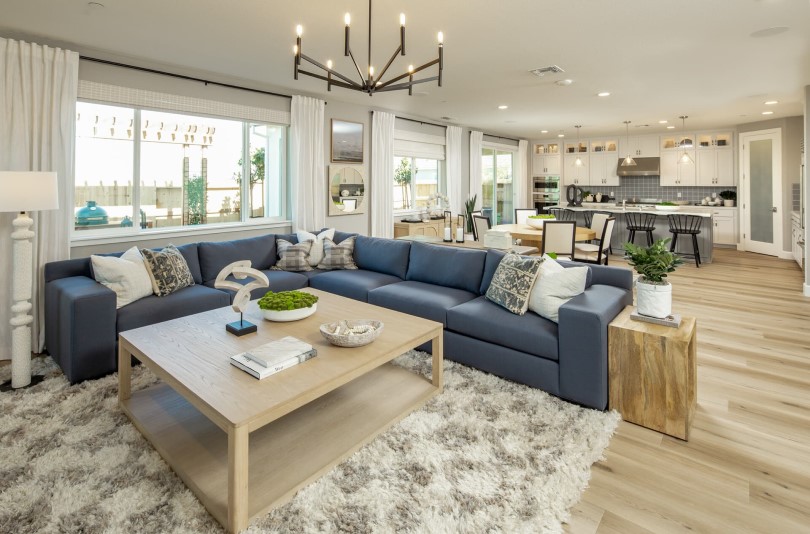
Residence 4 Floor Plan, Tesoro Neighborhood, Amoruso Ranch Community, Roseville, California
Questions to Ask Before Buying a New Build Home
Asking the right questions is an important part of feeling confident in the homebuying process.
You’ll want to ask about:
- The homebuilder’s reputation, material quality, and customer reviews
- The home’s features and costs, including what is standard, what is an upgrade, what the base price covers, deposit requirements, and closing costs.
- The construction process and timeline, including projected completion date, when you can visit the site, and when inspections occur.
Is Buying a New Construction Home Right for You?
A new build home can be a great solution for buyers who value modern design, energy efficiency, personalization opportunities, and vibrant communities. Buyers who prefer historic charm may lean toward an existing home, while those seeking long-term value and low maintenance often gravitate toward new construction.
Lifestyle, budget, and timeline all play a role in your decision, and there’s no one-size-fits-all answer.
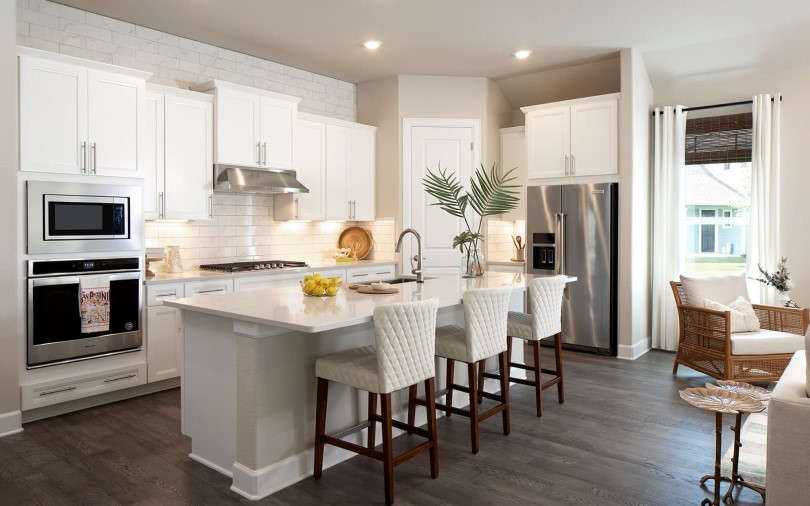
Goodwin Floor Plan, Traditional Collection, Kissing Tree Community, San Marcos, Texas
The Brookfield Residential Difference
Brookfield Residential approaches new home building through thoughtful planning, long-term livability, and a deep understanding of how communities function over time. Rather than focusing solely on individual homes, Brookfield designs planned communities that support connection, convenience, and everyday comfort.
From carefully considered floor plans to neighborhood amenities and customer care throughout the process, Brookfield Residential emphasizes quality and experience at every stage of buying a new construction home.
Start Your New Home Journey
A new construction home offers the opportunity to start fresh in a space designed for today’s living. By understanding the process, benefits, and considerations early, buyers can move forward with clarity and confidence.
If you’re exploring new construction homes for sale, Brookfield Residential offers a range of thoughtfully designed communities and homes built to support how you live now and in the future.
Discover Brookfield Residential communities and start your new home journey today.
The information provided in this blog post is for informational purposes only and should not be considered investment, professional, or legal advice. Please consult a professional before making real estate decisions. Brookfield Residential is not responsible for any actions taken based on the information provided.