
How Location Shapes the Homebuying Experience

Ask any homeowner what they love most about where they live, and there’s a good chance the answer goes beyond the house itself. It’s how easy it is to grab groceries. It’s the park and playground just a quick walk around the corner. It’s the shorter commute that gives you more time for the things you love.
Why location matters when buying a home comes down to this: a house is a structure, but a home is shaped by everything around it.
Square footage and finishes matter, but location is what determines whether the morning routine feels easy, errands take minutes, and if the whole family feels safe. Choosing the right location for a home means thinking beyond the walls. It’s asking how a place fits into your life. Proximity to work. Access to recreation that makes weekends great. A neighborhood that feels right the moment you pull into the driveway.
This blog breaks down exactly how location influences the homebuying experience, from the daily commute to long-term resale value, so buyers can make a decision that holds up years down the road.

Blossom Rock Community, Apache Junction, Arizona
How Location Shapes the Overall Homebuying Experience
Many buyers focus on comparing floor plans, design finishes, and square footage. Far fewer spend that same energy fully evaluating the location, even though it’s the one thing about a home that never changes. You can renovate a kitchen. You can’t move a neighborhood closer to downtown.
That influence shows up in ways that aren’t always obvious during a walkthrough. It’s what puts the highway ten minutes away instead of thirty. It’s what turns a quick trip for groceries into an actual quick trip. Neighborhood convenience and everyday comfort come from both what’s built into a home and what’s built around it.
What makes this impact so significant is how gradually it reveals itself. It takes some time of living somewhere before the little things start to add up. New homeowners often notice within the first few months whether their daily routine feels smooth or strained, whether the neighborhood matches their pace of life, and whether the surrounding area supports the way they actually want to live.
Buyers who take the time to evaluate a location tend to feel more settled once the moving boxes are unpacked. The house may be what finalizes their decision, but the location is what determines how good that choice continues to feel five, ten, or twenty years down the road.

Crown Park Community, Calgary, Alberta
Proximity to Work and Daily Routine
A shorter commute reshapes an entire day, one saved minute at a time.
Commute times can make or break how a new home feels day to day. A twenty-minute drive versus a fifty-minute drive isn’t just thirty minutes. A shorter drive means more room for the things that make a day feel good, whether that’s making it to a kid’s soccer practice, cooking dinner instead of grabbing takeout, or just having that extra time to unwind.
The impact of a long commute tends to compound over time. It eats into both mornings and evenings, and eventually that adds up to less sleep, less flexibility with your schedule, and less patience for everything else on your to-do list. A shorter commute does the opposite: it creates breathing room.
This is where work-life balance starts, long before anyone clocks in for the day. The right location puts a buyer closer to their job, their commute on autopilot, and their evenings back in their own hands.

The Grove Community, Frisco, Texas
Access to Amenities and Everyday Conveniences
There’s a version of daily life where a forgotten ingredient means a fifteen-minute round trip instead of a thirty-minute one. Where a Friday night dinner out with friends doesn’t require a reservation an hour away. That version of daily life starts with access to amenities.
Nearby shopping and dining turn errands into something that barely registers as a task. Need milk? It’s five minutes away. Want takeout on a night nobody feels like cooking? There’s a handful of options within a short drive, not a long one. These small conveniences save real time, and they shape how manageable everyday life feels.
The real payoff is how much friction it removes from a normal week. Every errand that takes less time is time given back for something else, whether that’s an extra half hour at home or one less thing to plan around. Over the course of a week, that amounts to a noticeably lighter mental load.
Location also plays a role in the benefits of community amenities, like parks, clubhouses, and shared spaces built directly into a neighborhood. When those amenities sit close to home, they get used far more often than the ones that require a drive across town.
Neighborhood convenience is one of the clearest ways location influences how easy, or how hectic, everyday life feels.

Edenglen Community, Ontario, California
Recreation and Outdoor Living Experience
Free time is only as good as what’s available to fill it. A neighborhood with a park around the corner and trails nearby turns a Saturday morning into an easy decision instead of a whole production.
Parks and recreation shape how residents spend their downtime. When a walking trail or a playground is close by, it gets used. When it’s a twenty-minute drive away, it becomes something saved for special occasions instead of a regular part of the week. Proximity is what turns good intentions into a habit.
What this really means is more reasons to step outside. A quick walk after dinner, a weekend bike ride, or an afternoon at the park with the kids. These small moments accumulate, supporting physical health, easing stress, and giving neighbors a natural way to connect with each other.
This is also part of what makes certain neighborhoods stand out as some of the best places to live. What's within reach matters just as much as the homes themselves: green space, trails, playgrounds, and the kind of outdoor access that makes an active lifestyle easy to maintain rather than something that has to be planned around.
A home surrounded by recreation supports a more active, more balanced day-to-day life, one that happens naturally instead of requiring extra effort.

Schools, Community, and Neighborhood Experience
A great school district can shape a family’s decision before anything else on the list. It’s often the first box to check, and for good reason. Where kids go to school affects far more than academics. It shapes friendships, extracurricular activities, and the rhythm of daily life for the whole family.
Beyond schools, the feel of a neighborhood matters as well. A community with well-maintained sidewalks, neighbors who wave hello, and a general sense of safety creates a different kind of comfort beyond the house. That comfort shows up in small ways: kids riding bikes down the streets, leisurely evening walks, and a sense of familiarity that builds over time.
What ties these pieces together is how much they shape the overall experience of living somewhere, not just owning a home there. A strong school district supports long-term stability for families with kids. A welcoming, well-kept neighborhood supports peace of mind for everyone, regardless of who’s living there. Together, they set the tone for whether a place feels like a good investment or a true home.
These factors don’t always show up on paper, but they’re often what buyers appreciate most once they’ve settled in. The right neighborhood is where a house starts to feel like home.
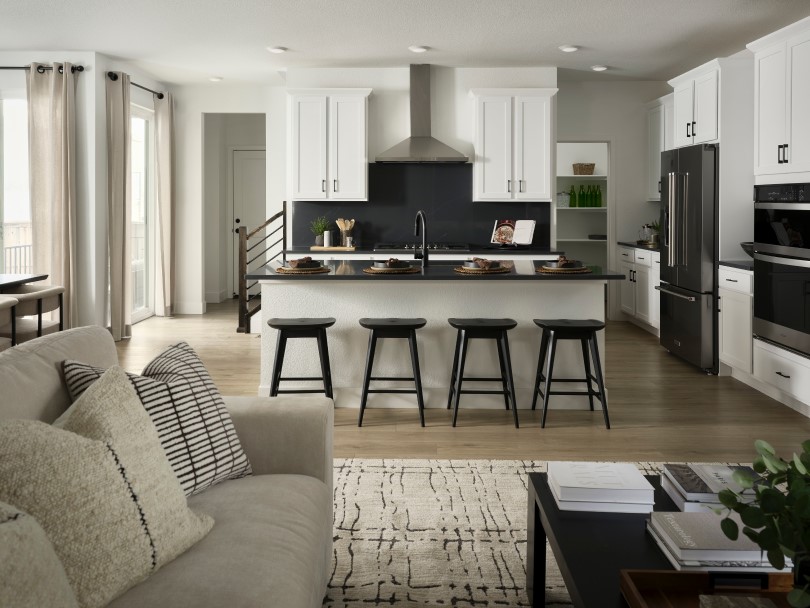
Spark Four Plan, Spark Portfolio, Uplands Community, Westminster, Colorado
How Location Influences Long-Term Value and Satisfaction
A home’s value isn’t fixed the day you close escrow. It shifts over time, and location is one of the biggest reasons why.
Location and home value are tied together more closely than buyers often realize. Homes in desirable areas, close to jobs, good schools, and everyday amenities, tend to hold their value even when the market cools. The house itself can be updated, expanded, or renovated. The surrounding area is what stays constant, and that consistency is exactly what keeps demand strong.
Resale value often comes down to the same factors that made a location appealing in the first place. A short commute, walkable amenities, and a well-kept neighborhood don’t just benefit the current owner. They’re the same things future buyers will be looking for, which keeps a home competitive whenever it’s time to sell.
There’s also a quieter kind of value at play, the kind that shows up in the day-to-day satisfaction. A location that fits well into daily life tends to keep feeling right, year after year. That staying power is part of what separates a house that is fine from a home someone genuinely enjoys living in.
Buyers who prioritize location early in their home search tend to come out ahead on both fronts: a home that holds its value, and a home that continues to feel like the right choice long after moving day.
How to Evaluate the Right Location for Your Lifestyle
Figuring out where to buy a home starts with a question most buyers don’t expect. Affordability matters, sure, but the real starting point is simpler: “What does my everyday life really look like, and does this location support it?”
Factors when choosing a location go beyond price and school ratings. Think through the actual rhythm of a normal week: the commute, the grocery run, the weekend routine, the after-work wind-down. A location that supports all of those without friction is one worth paying closer attention to.
What to look for in a neighborhood depends on what a buyer’s life looks like day to day. A young professional prioritizing a short commute has different needs than a family weighing school districts and nearby parks. Neither is wrong! The goal is matching a location to the life being built there, guided by personal priorities rather than a checklist.
It helps to think a few years ahead. A location that works for today should ideally still work as routines shift, whether that means a growing family, a career change, or simply wanting more from a neighborhood than it currently offers. For a deeper walkthrough of this process, How to Decide Where to Live breaks down the key questions worth asking before committing to a location.
At the end of the day, the best location is the one that quietly and consistently fits the life you actually want to live, regardless of what's listed on paper.
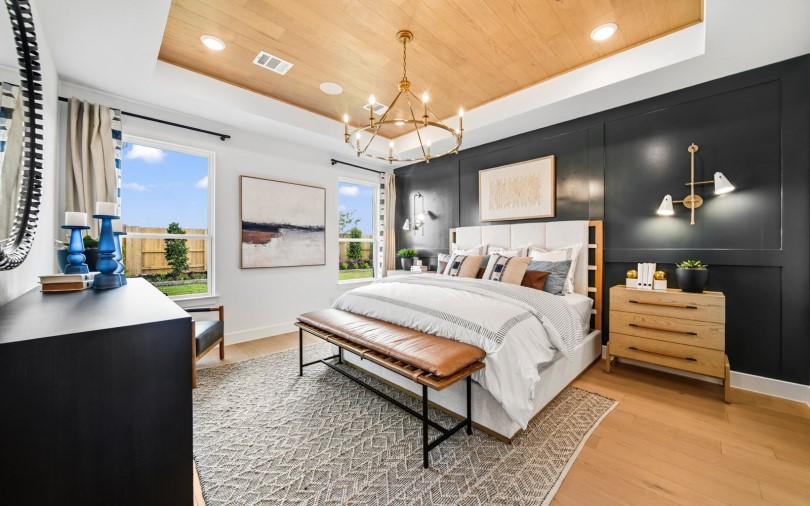
Lawrence Plan, 50' Traditional Homes Collection, Midline Community, Webster, Texas
How Brookfield Residential Designs Communities Around Location
A great home doesn’t happen in isolation. It’s shaped by everything we consider before a single foundation is poured, and location tops that list.
How does Brookfield choose locations for its communities? We start with the same priorities buyers care about most: proximity to employment centers, access to daily conveniences, and an easy connection to parks and recreation. We look for areas that already support the kind of life our buyers are trying to create for themselves.
This approach means our communities tend to land near major job hubs, established shopping and dining, and outdoor spaces that make everyday life easier. The surrounding area carries just as much weight as the home itself, shaping everything from the daily commute to how you spend your weekends.
We also pay close attention to long-term growth. A location that works well today should hold up years down the road, even as neighborhoods develop and demand shifts. That kind of forward-thinking planning is part of what makes a Brookfield Residential community feel less like a development and more like one of the best places to call home.
Location sits at the very start of how we build. It's one of the first decisions we make, and it shapes everything that follows.
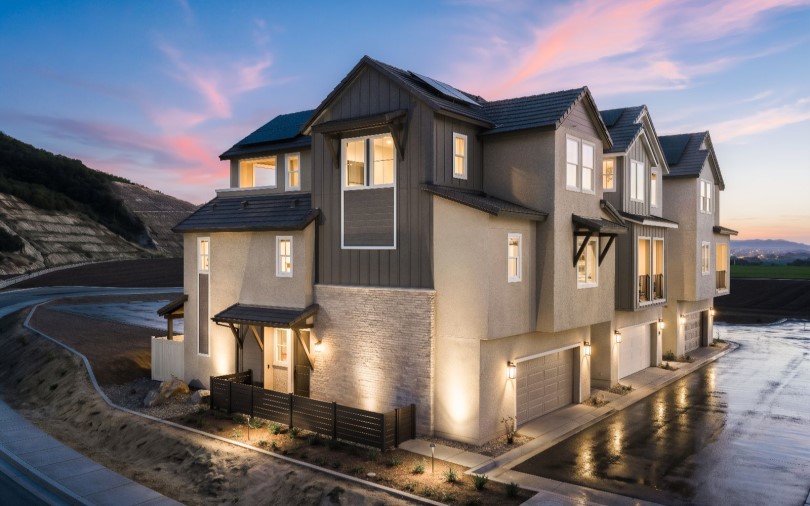
Plan 3, Waypoint Collection, Altair Community, Temecula, California
Finding the Right Location for Your Next Home
The house is only part of the equation. Where it sits, and everything within reach of it, plays just as big a role in how life actually feels once the moving trucks pull away.
From the daily commute to how free time gets spent, from resale value to the sense of comfort that builds over the years, location factors into nearly every part of the homebuying experience. That makes it worth prioritizing from day one of your home search, long before the moving trucks show up.
The right location supports the life someone is trying to build, both today and years down the road. Ready to find a place that fits? Explore Brookfield Residential’s new homes and discover communities designed with location in mind.