
Is it Better to Rent or Buy?

It’s an age-old debate, and in an ever-changing housing market, the right answer isn’t always clear.
If you’re feeling torn between renting and buying, you’re not alone. To help you weigh your options, we’ve outlined five key factors to consider before making your move.
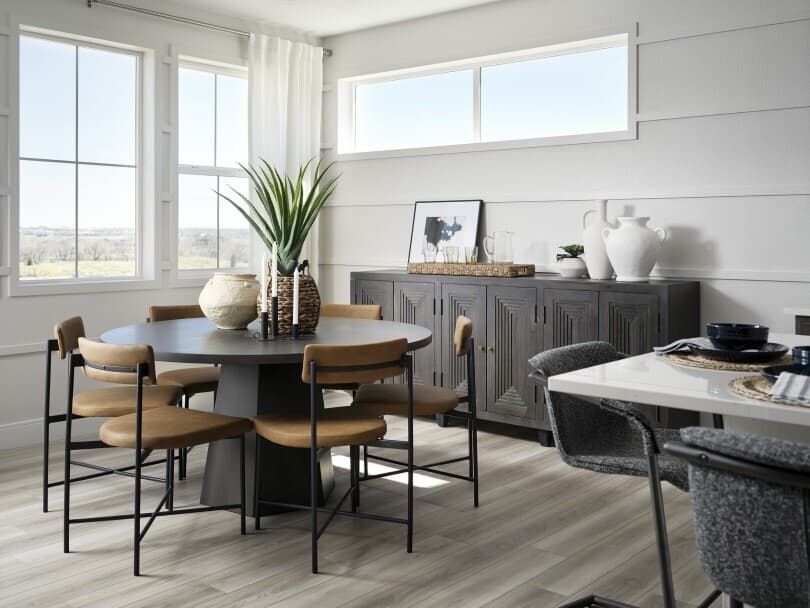
Artisan 4 Floor Plan, Artisan Portfolio, Brighton Crossings Community, Brighton, Colorado
1. Your Overall Financial Situation
Finances are the most significant factor when deciding between renting and buying a house. Before you jump into your homebuying journey, you should know exactly how much home you can afford by reviewing your whole financial picture.
1. Calculate the initial costs of homeownership
The upfront cost of buying a home is one of the biggest barriers for many would-be homebuyers, and it’s essential to consider this as you make your decision. Initial costs include the down payment, closing costs, moving costs, repairs not covered by the seller if you’re purchasing a resale home, and furnishing your new space.
Don’t worry! There are plenty of ways to save for your first home. Often, renting is a great way to save money so you can cover these initial costs, pay down debt, and build up your savings.
Setting aside money so you have that desired 20% down payment (which eliminates that pesky private mortgage insurance) is often made possible by choosing to rent until you’re ready to buy.
2. Factor in the ongoing expenses
Owning a home is more than just a monthly mortgage payment. When creating your budget, you need to consider the full scope of homeownership expenses. You need to include the cost of homeowner’s insurance, property taxes, planned and unplanned maintenance, and potential homeowner’s association fees.
When you own a home, you’re responsible for everything. Is there a large lawn to be maintained? Is there a pool that needs regular service? Do you need to pay for trash and recycling utilities? Will you need to pay for snow removal? Is the roof in good shape, or will it need to be replaced in the coming years?
While these numbers may seem intimidating when you compare them to the cost of rent in some areas, it’s important to remember that homeownership is a marathon, not a sprint. The benefits of buying a home grow the longer you stay.
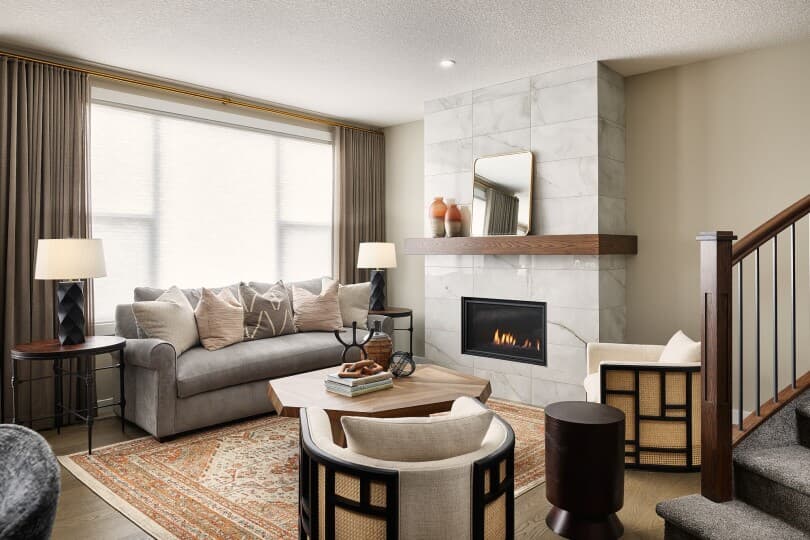
Robson 26 Floor Plan, Front Garage Conventional Collection, Livingston Community, Calgary, Alberta
3. Consider your future savings
As the years pass, your home’s equity and value build. Less of your mortgage payment goes toward the interest and more toward the principal balance. Even if the home you buy isn’t your “forever home,” if you stay for a few years, the value of your home will likely have appreciated, and you’ll have more money in your pocket when you sell.
If you’re buying a home in the U.S., you can take advantage of any tax benefits. You can deduct mortgage interest and property taxes on your federal income tax returns, which can result in significant savings. Depending on where you reside, additional tax breaks may be related to home improvements or energy efficiency upgrades.
According to a National Association of Realtors report, after six years, a homeowner’s mortgage payment is lower than the payment of a renter (assuming rent has a 5% increase each year compared to a fixed monthly payment).
If you calculate the additional tax savings plus the ability to write off mortgage interest as well as state and local property taxes, the homeowner’s payment is less than the rental payment after only three years.
Compared to rent payments that go directly to your landlord and nowhere for you, owning a home can be cheaper in the long run. Once you’ve locked in your mortgage, you know what your monthly payment will be throughout the life of your loan.
Over the last five years, rents have increased due to the aftermath of the pandemic and general economic unrest. Add in the ability for your landlord to raise your rent after the term of your initial lease, and there’s a lot more uncertainty surrounding your housing cost.
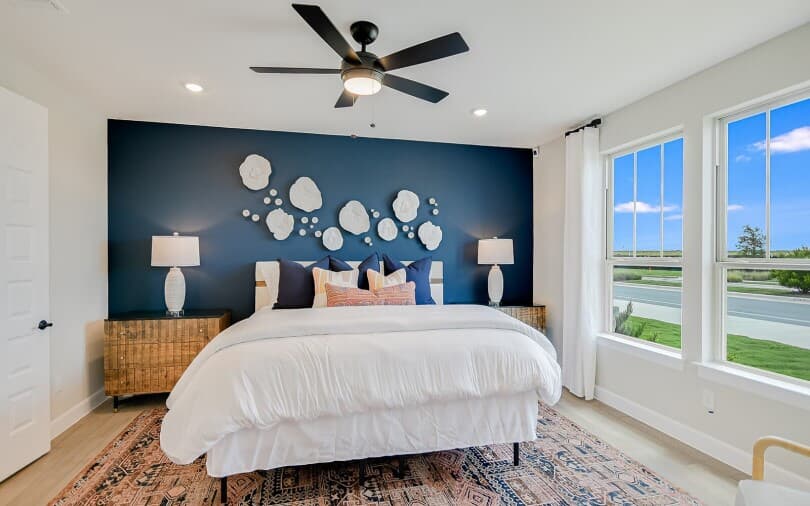
Dickinson Floor Plan, Urban Courtyard Homes Collection, Easton Park Community, Austin, Texas
4. Evaluate your financial goals
If owning a home is something you’ve been actively working toward—your down payment is saved, you’re pre-approved for a purchase price that fits your needs, and the monthly costs won’t stretch your budget too thin—then buying can be a smart move.
On the other hand, if you're focused on other financial priorities like paying down debt, building an emergency fund, or saving for different goals, and local rental prices are manageable, continuing to rent may be the better choice for now.
5. Assess your financial readiness
Being educated and informed is key when making a major decision, so take the time to learn if you’re financially ready to own a home.
Here are some resources to help you get started:
• “Busting 10 Common Homebuying Myths”— We explore common misconceptions about buying a home to help you confidently navigate the journey.
• Do you have a lot of debt? Read our blog “How Does Debt Affect Your Ability to Buy a House?” to better understand how your debt-to-income ratio plays into your financial health.
• If you need help saving for your down payment, check out “What is Down Payment Assistance?” where we explore different programs available to help bridge the gap between what you have and what you need to make homeownership more attainable.
• Understanding the ins and outs of your credit score is crucial for buying a home. Our Complete Guide to Credit Scores covers everything you need to know.
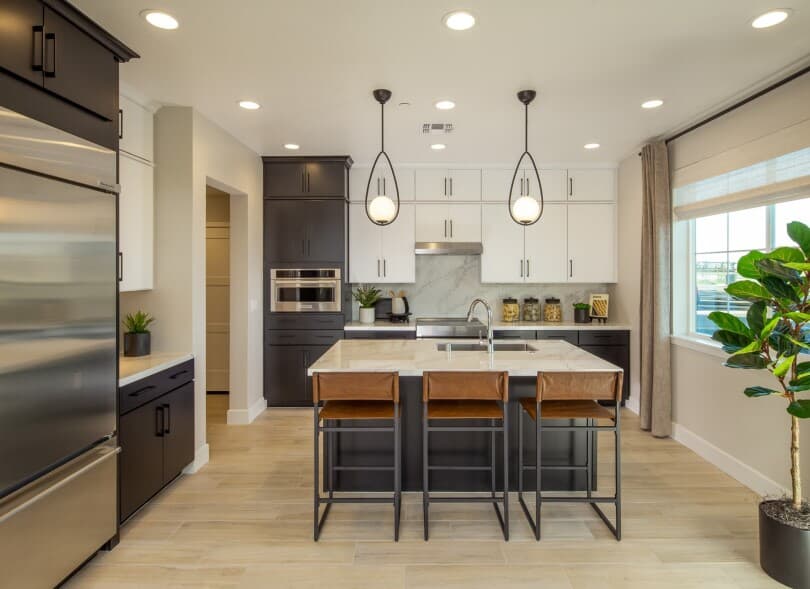
Residence 3 Floor Plan, Copperleaf Neighborhood, Napa RiverSound Community, Napa, California
2. Where Do You Want to Live?
You’ll often hear the phrase “location, location, location” when discussing real estate. It’s the only thing you can’t change about a home, so it’s an important consideration whether you decide to buy or rent. If you’re searching in a highly desired market with prices that reflect its popularity, renting may be your most affordable option.
If you’re searching for a place to live in a market where you have the choice to rent or buy, you need to consider the cost of living in the area, the proximity of your essentials (work, schools, public transportation, commuter routes, etc.), and the distance to your preferred amenities (shopping, dining, entertainment, fitness options, outdoor recreation, etc.).
If the area is affordable, you need to consider if it’s somewhere you want to live for a long time. If you’re only planning to stay in the area for a short time and have goals of moving elsewhere down the road, renting may be a more practical option.

MacKay Floor Plan, Duplex Collection, The Orchards Community, Edmonton, Alberta
3. What is Your Current Lifestyle?
How do you currently live your life, and what makes you feel best? Certain intangible things will affect your decision to buy a home versus rent.
If you thrive on flexibility—whether to travel, explore careers, or simply don’t want to feel tied down to a home—renting may be a better fit. If you’re someone who craves stability and control, the unpredictability of rent hikes or lease changes might create an underlying stress you don’t need.
If you love home design and want to create your dream kitchen or a striking accent wall, homeownership offers the ability to make a space your own, without risking your security deposit over a bold design choice.
Ultimately, the right choice comes down to how you want to live your life day to day.
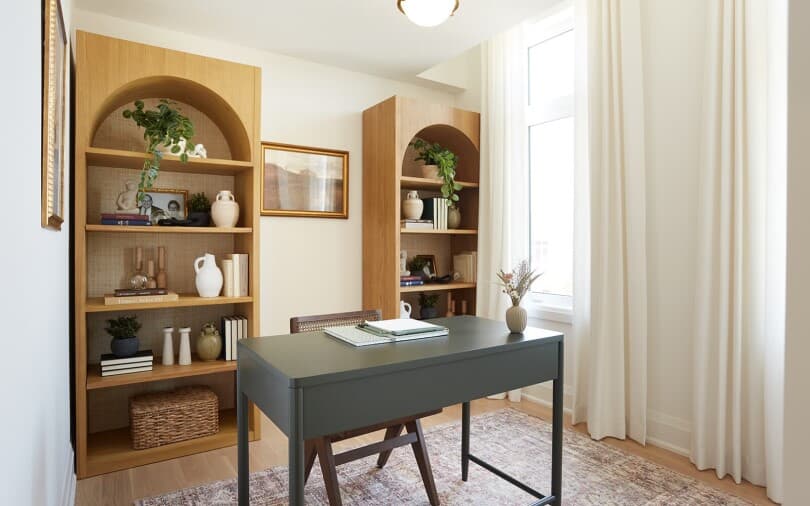
Denmar Floor Plan, Traditional Collection, New Seaton Community, Pickering, Ontario
4. What is Your 5- to 10-Year Plan?
Your personal and professional 5- to 10-year plans can significantly influence your decision to rent or buy a home.
If you’re focused on growing your career and are willing to relocate wherever necessary to make that happen, the flexibility of renting can be a major advantage. Renting gives you the ability to be nimble and unburdened by the logistics of selling a home each time your path shifts.
On the other hand, if you plan to settle down, start a family, or find a community where you want to put down roots, buying a home may provide more stability and long-term benefits, especially in a good school district.
Beyond your career and family plans, think about what else might be on the horizon in the next several years. If you're expecting a significant shift in income, whether through a promotion, career change, or starting your own business, it may impact how much home you can afford or whether it makes sense to wait before buying.
Likewise, if you're planning a major lifestyle change, such as going back to school, taking time off work, or traveling extensively, the flexibility of renting can offer more freedom and fewer long-term financial commitments.
And for those thinking ahead to retirement or downsizing, now might be the time to evaluate whether owning or renting best supports your changing priorities.

Ponderosa Floor Plan, Laurel Collection, Blossom Rock Community, Apache Junction, Arizona
5. What are the Current Housing Market Conditions?
The state of the real estate market plays a key role in the rent-versus-buy decision. Factors like inflation, home prices, mortgage interest rates, and rental demand can all affect what makes the most financial sense.
When inflation is high, both rent and home prices tend to rise—but they don’t always move at the same pace. In some markets, buying and locking in a fixed mortgage may be more cost-effective, while renting could offer short-term savings and flexibility in others.
If rising or fluctuating interest rates are a concern, it’s worth exploring options like interest rate buydowns or adjustable-rate mortgages, which can make monthly payments more manageable in the early years.
Ultimately, keeping an eye on local market trends and understanding how national economic conditions affect your area can help you make a more informed and confident decision.

The Orchards Community, Edmonton, Alberta
The choice between renting and buying comes down to your personal goals, lifestyle, and financial situation. There’s no one-size-fits-all answer—what matters most is finding the option that aligns with where you are now and where you hope to be in the future.
After all, home is more than a transaction—it’s where life happens, in whatever form feels right for you.
Find the Best Place to Call Home
We’re proud to help our homebuyers feel comfortable, informed, and in good hands from the first time we connect to long after they’ve moved into their new home. Our team is continuously committed to doing the right thing, cultivating an exceptional customer experience, and creating the best places to call home.
So why wait? Start your journey to homeownership today with Brookfield Residential! Explore where we build and connect with our sales team when you’re ready to learn more. We’ll be expecting you!
The information provided in this blog post is for informational purposes only and should not be considered investment, professional, or legal advice. Please consult a professional before making real estate decisions. Brookfield Residential is not responsible for any actions taken based on the information provided.